

Columbine is herbaceous perennial with interesting bell-like blooms topped with fascinating spurs. The plants return to the garden year after year, readily reseeding and growing new plants. Learn how to grow Columbine, also known as Aquilegia, and add this sweet cottage plant to your garden.
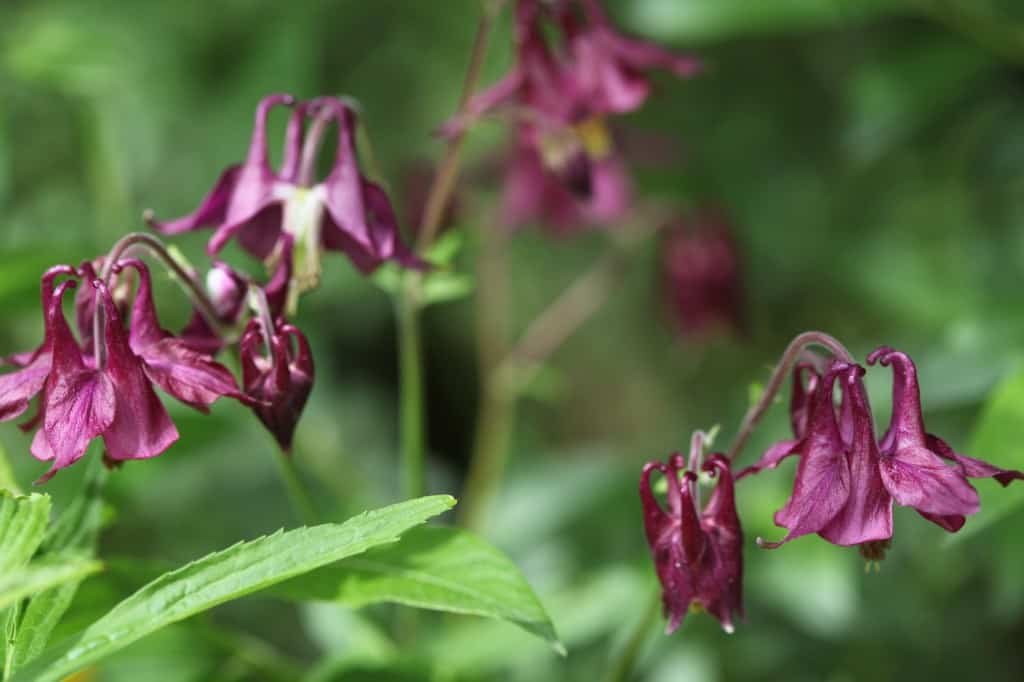
Columbine is a hardy native perennial that is easy to grow from seed or division. This cottage garden flower readily self seeds and cross pollinates, producing hybrid plants and volunteers. It requires almost no maintenance, and is a great plant for both the beginner as well as the experienced gardener.
We have been growing Columbine plants in the garden for many years. There is a patch in the garden that has been happily growing for well over thirty years.
The plants no doubt are reseeding, and flourishing in the garden space where they are growing. They are happily established, and just keep on producing.
What Is Columbine Flower?
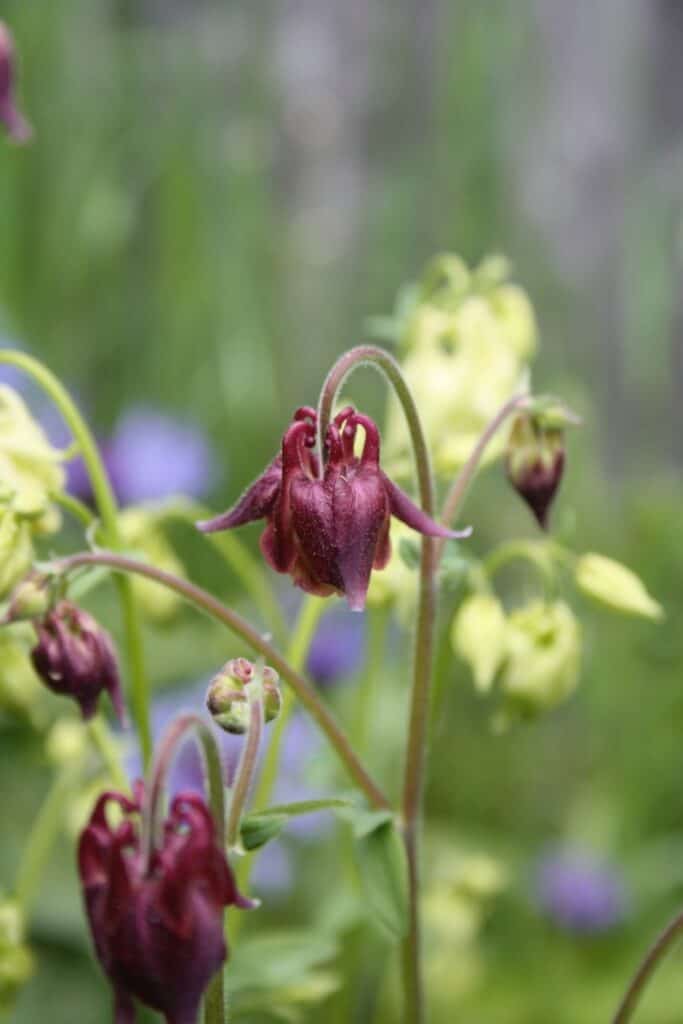
Columbine is one of the common names for the native perennial flowering plant known as Aquilegia. Another common name for this plant is Granny's Bonnet.
The plant belongs to the Genus Aquilegia, and Family Ranunculaceae, which is the buttercup family.
There are approximately sixty to seventy different species of Aquilegia, many of which are found growing wild in woodlands and meadows in the Northern Hemisphere.
This is a native plant with beneficial properties which we will further discuss.
Columbine attracts pollinators, especially bumble bees and hummingbirds who can reach deep into the flower spurs with their long tongues to get to the rich nectar. Butterflies and moths are also attracted to the flower.
Some Columbine species are also hosts to beneficial insects, such as the Columbine Duskywing, Erynnis lucilius.
Meaning Behind The Name
Sometimes it is so interesting to see how certain plants have gotten their name, and Columbine is no exception.
Aquilegia Meaning
- The name Aquilegia comes from the Latin name for eagle, which is aquila.
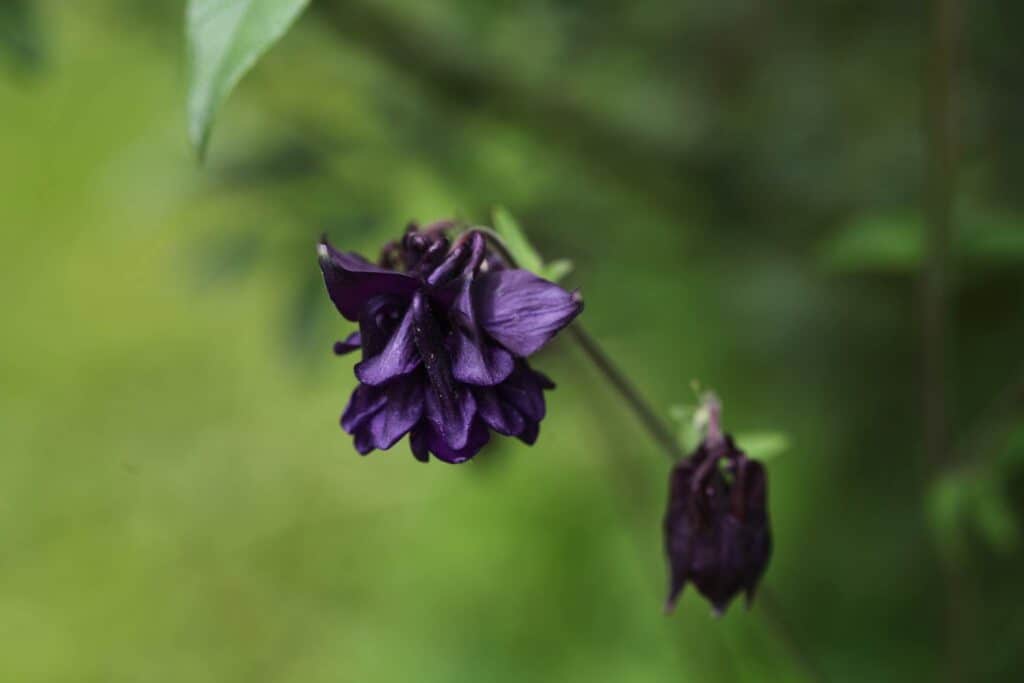
- If you look closely at the blooms of Aquilegia, and specifically the spurs at the back of the blooms, you will see how they closely resemble an eagle's claws or talons.
Columbine Meaning
- The name Columbine comes from the latin word for dove, which is columba.
- If you look closely at the blooms of Aquilegia, also known as Columbine, you can see how those spurs at the back of the blooms can also resemble a group of doves gathered together facing each other.
Granny's Bonnet Meaning
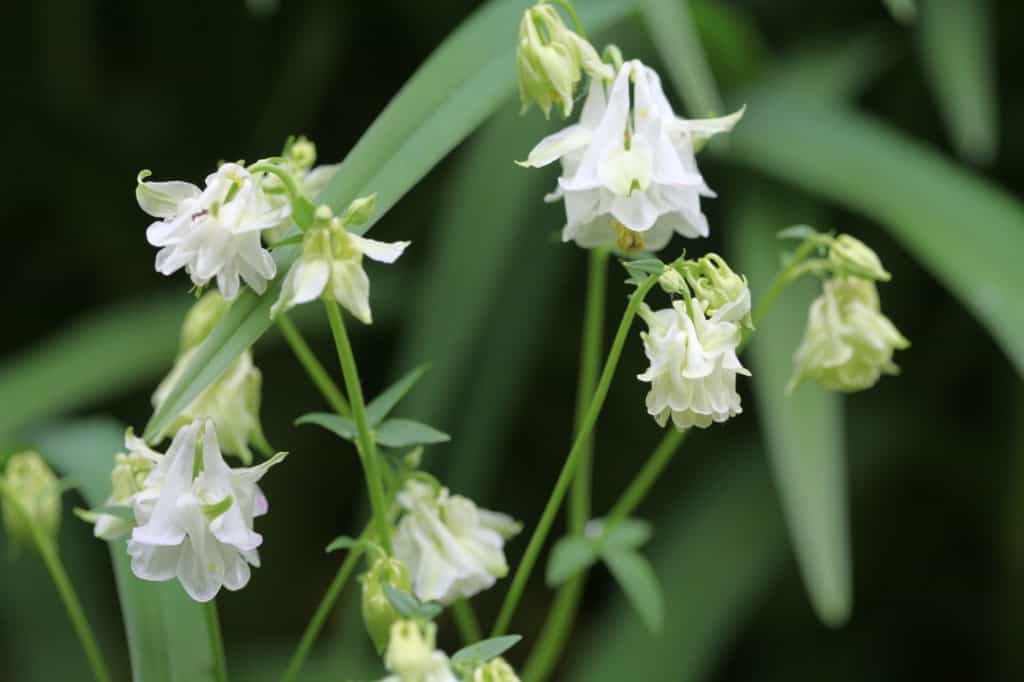
- The common name granny’s bonnet is an old fashioned name, attributing the look of an old fashioned bonnet to the Columbine flower.
Columbine Varieties
There are many species and varieties of Columbine that can be grown in the garden.
Since Columbine is a native plant, many species grow wild in nature. There are some however that are excellent garden plants and have adapted to life in the garden.
Several popular varieties for the garden include:
Aquilegia Canadensis, or Eastern Red Columbine
- Also known as Wild Columbine, this plant has a distinctive red and yellow flower that readily reseeds.
- The flowers are approximately 2 inches long, and hang in a downward facing direction.
- Although a woodland wildflower, it is also a very attractive garden plant with showy blooms.
Aquiligea Hybrida
- These Columbines are hybrids, and often grow larger than the species plants, with blooms in a wide range of different colors.
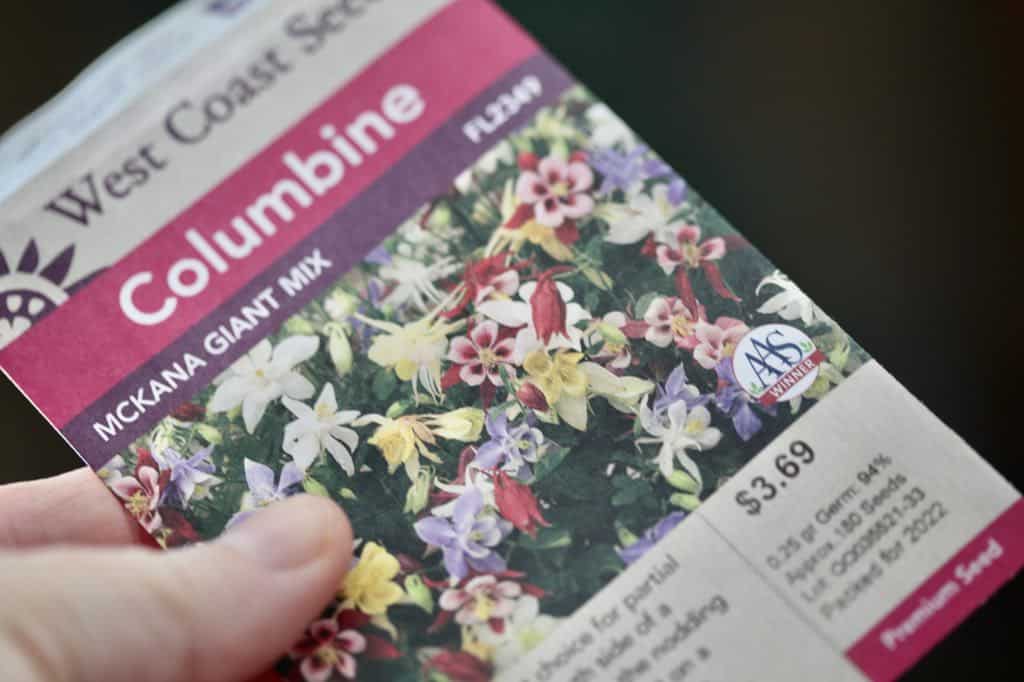
- One variety of Aquilegia Hybrids is the McKana Giant Hybrid.
- This plant has upright facing blooms in a wide range of colours, including reds, yellows, whites, purples and pinks.
- Plant height can be much taller than many species, with some varieties growing to three feet or more.
Aquilegia Vulgaris, or Granny's Bonnet
- A. Vulgaris is also known as Common Columbine.
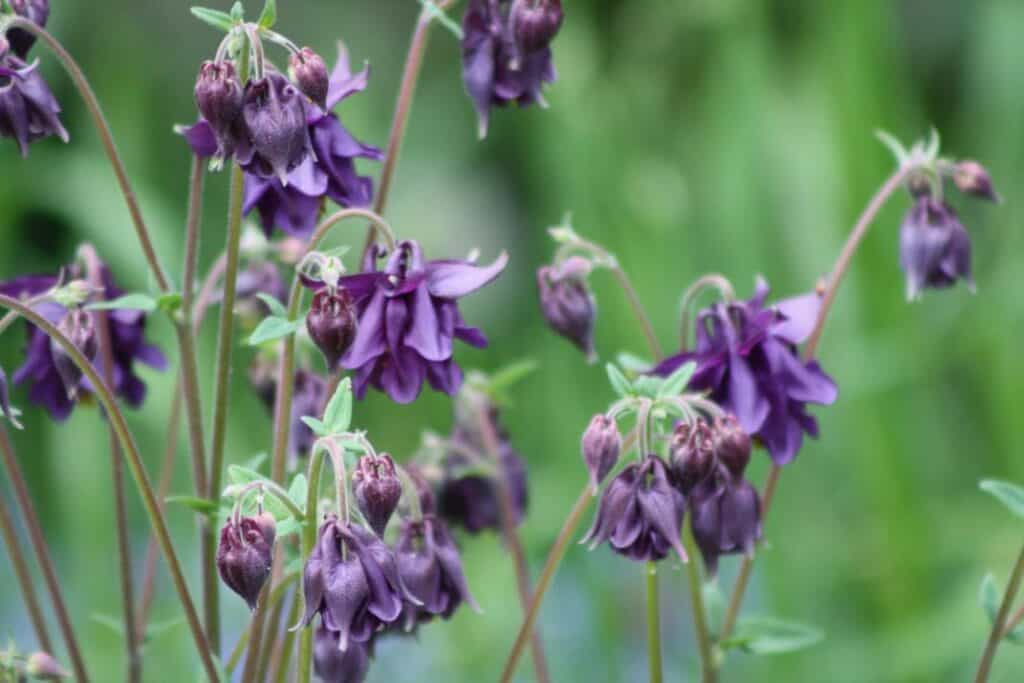
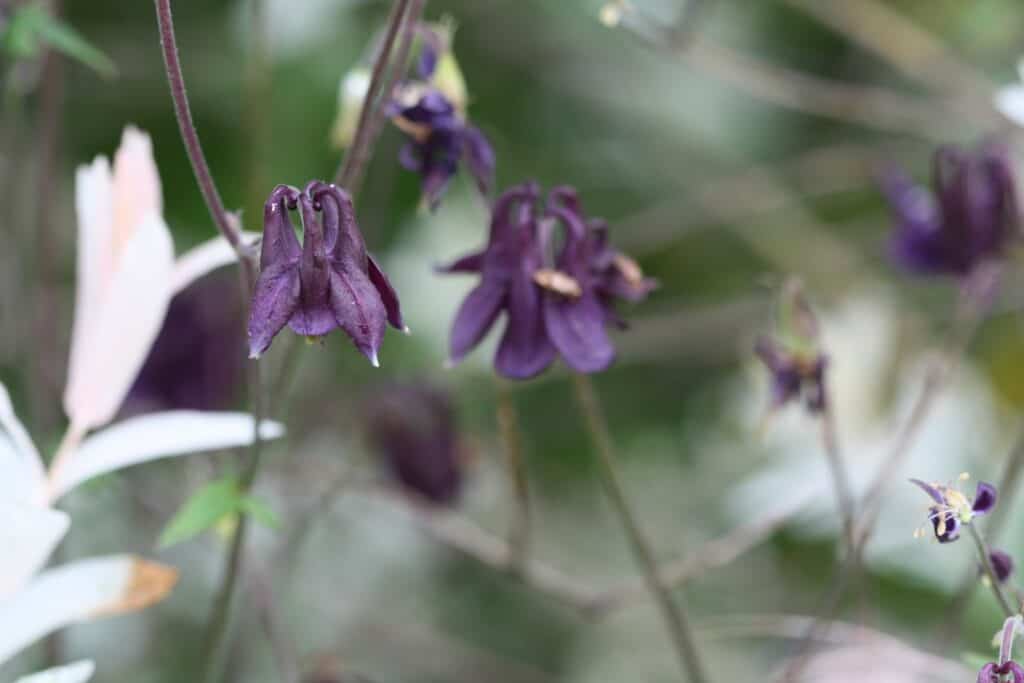
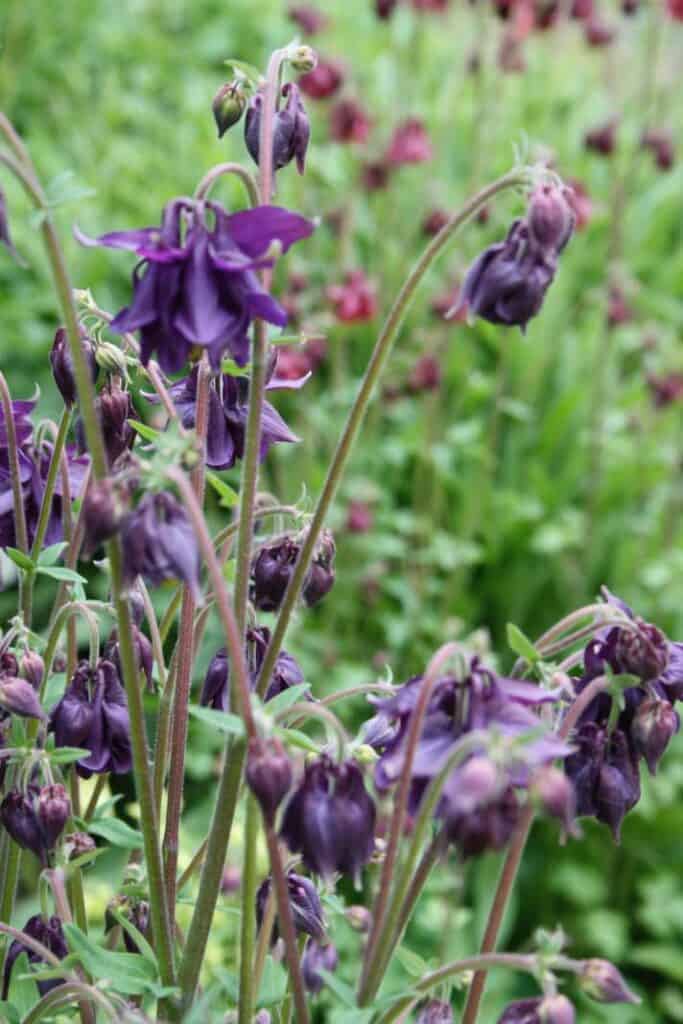
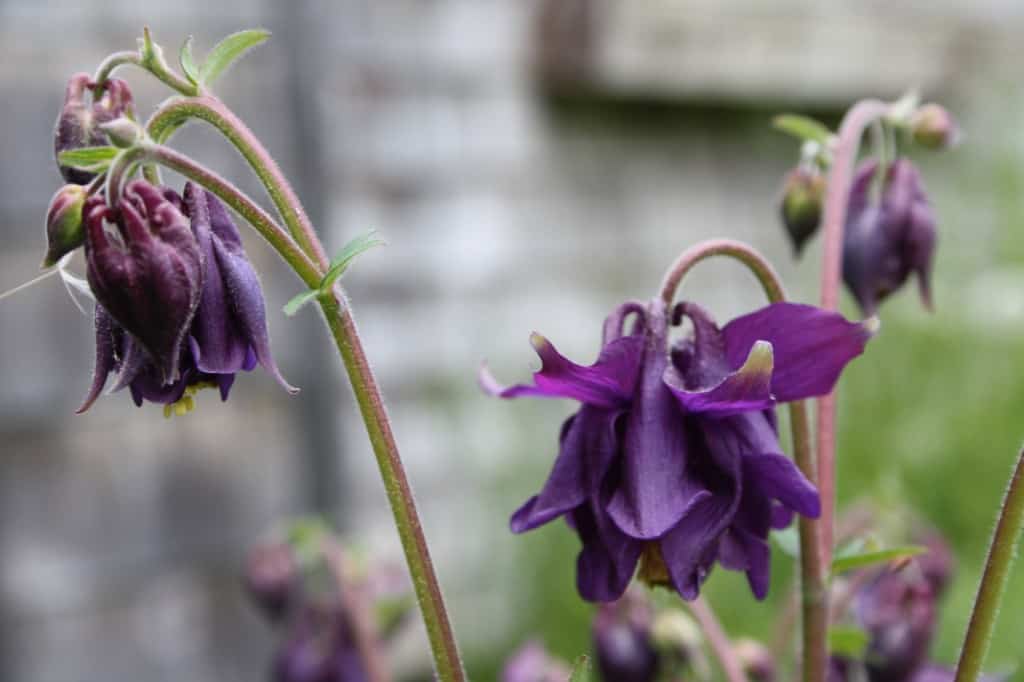
- It is a species native to Europe, with nodding blooms and curved spurs, which curve inwards towards the back of the flower.
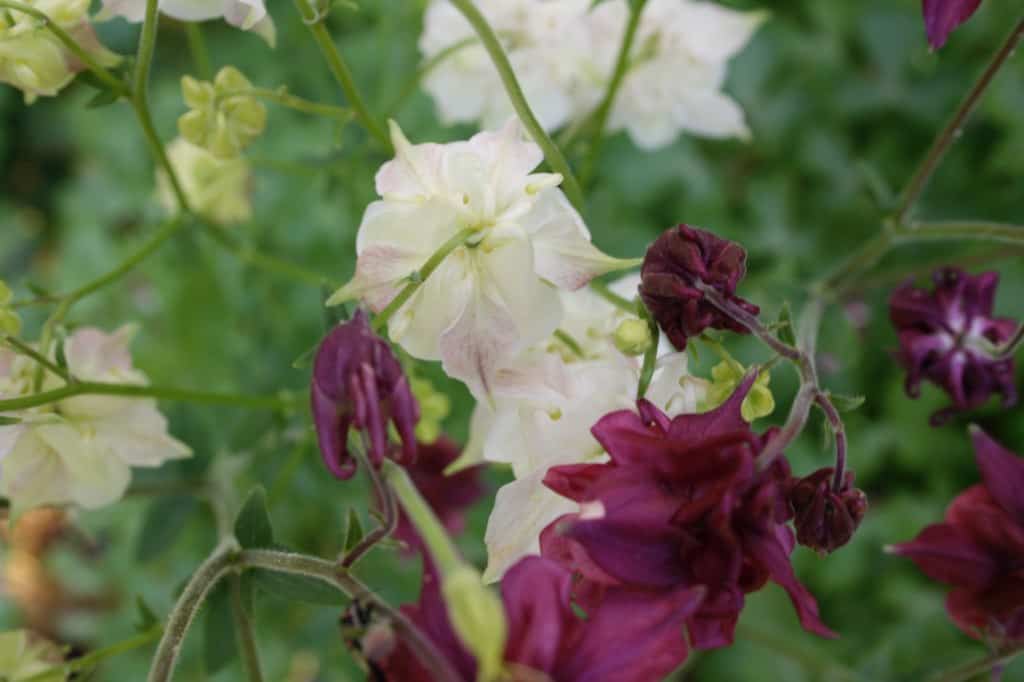
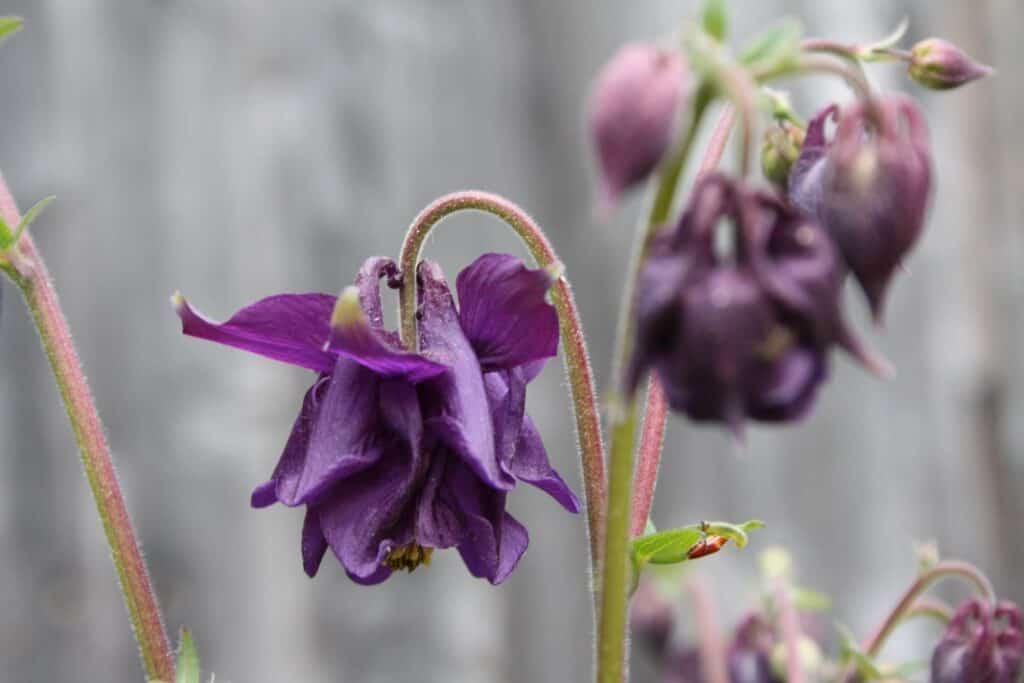
- Colours range from deep purple and blue, to burgundy and white.
What Does Columbine Look Like?
There are many different species of Columbine which have similar yet different looks. Most plants grow to be two to three feet high, although some may grow taller, and others smaller depending on the species and variety.
Columbine Flowers
The Columbine flower has an interesting appearance, with different shapes and forms that have adapted over a long time to the different areas in which the species have grown.
The bell shaped flowers grow on multi-branched flower stalks, and can be nodding and pointed downwards, or erect and pointed to the sky.
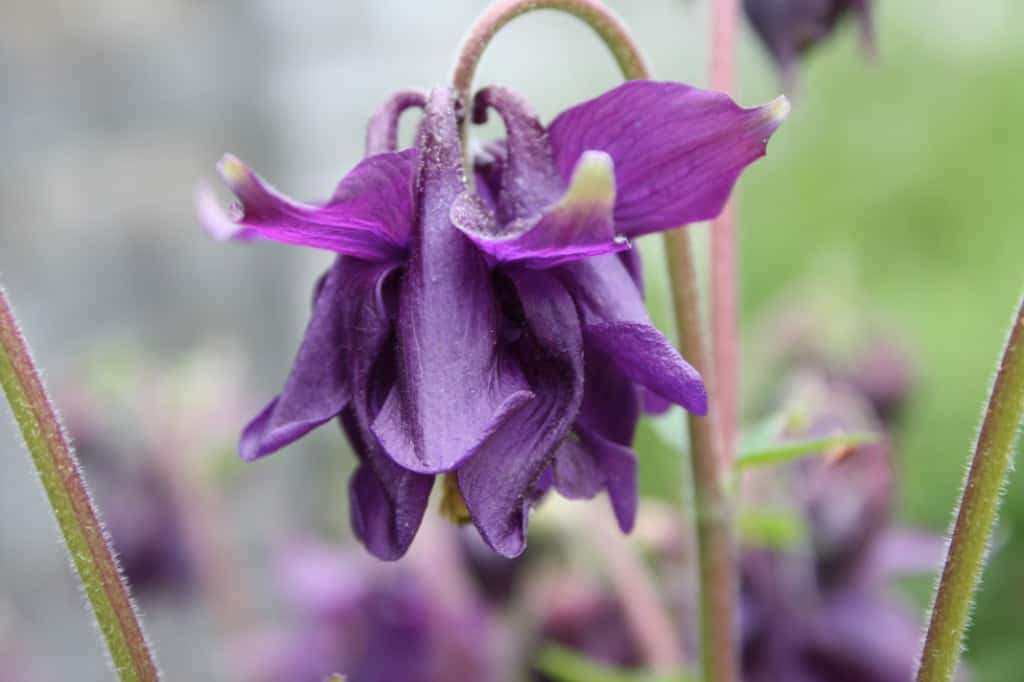
The delicate flowers come in many different colour combinations, depending on the species or cultivars. The flowers can be a solid colour, or bi-colour with several different colour variations within one bloom.
The size of the flower is dependent on the species and individual variety.
Columbine Flower Spurs
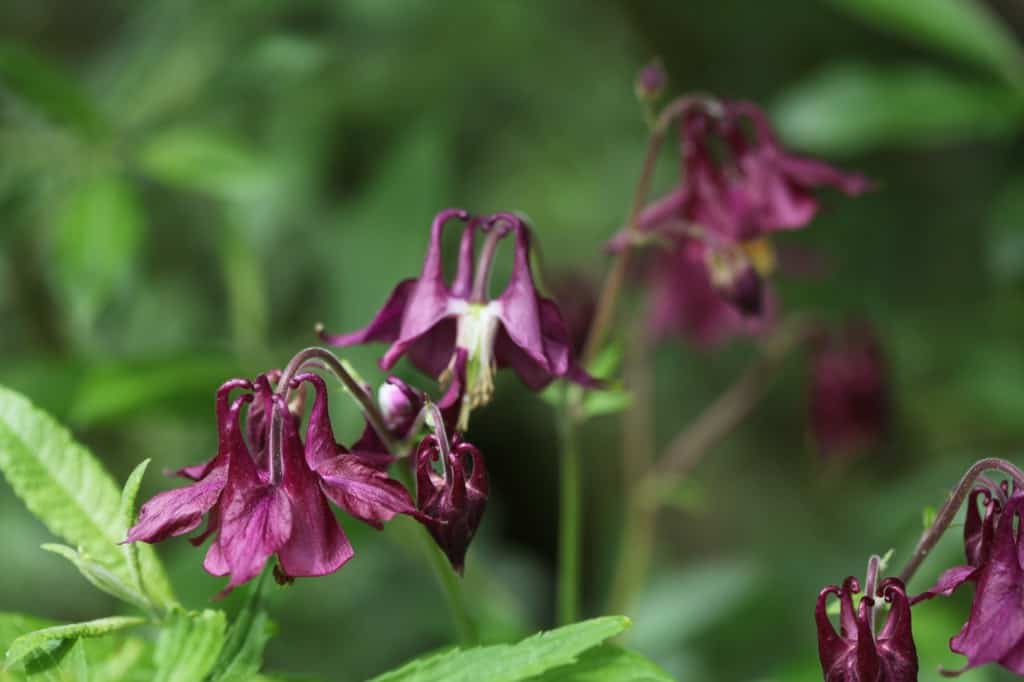
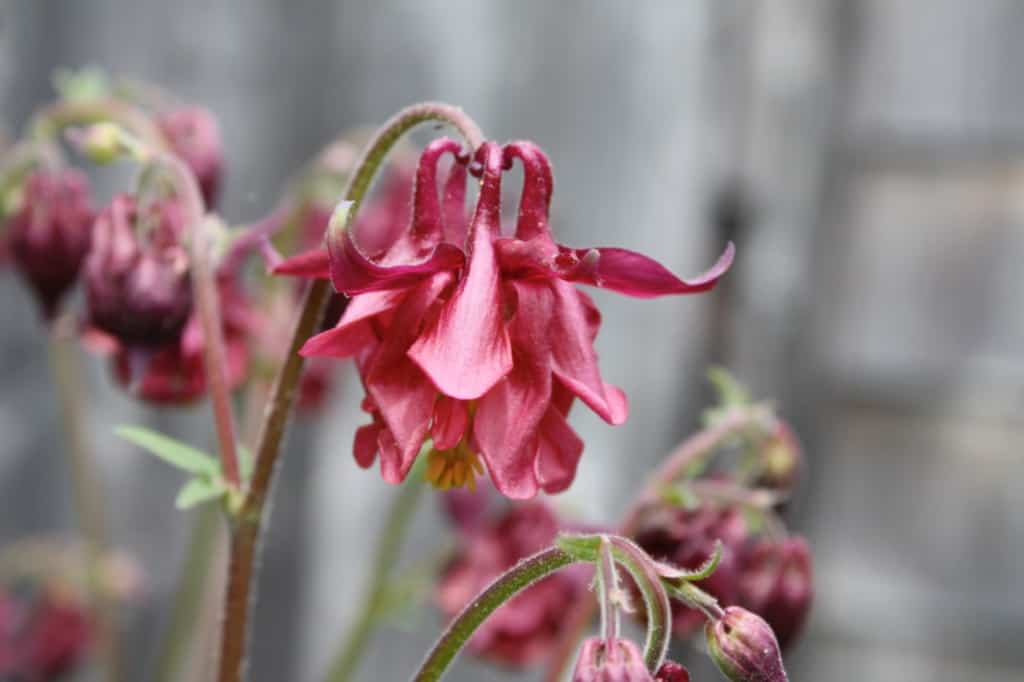
The blooms of Columbine have spurs attached to the back of the flower heads. These spurs can vary in shape and form depending on the species.
Some flowers have spurs which are thin and elongated. Other flowers have spurs which are broader and shortened.
The spurs can also be straight and open, or curved to various degrees.
The spurs contain the nectar of the plant. Since some flowers have very long spurs, often it is only the long tongued pollinators that can easily access the nectar.
Some short tongued pollinators have adapted however, and developed a mechanism for which to retrieve the nectar from these plants.
They bite a hole in the back of the Columbine spur, removing the nectar in this manner.
Columbine Leaves
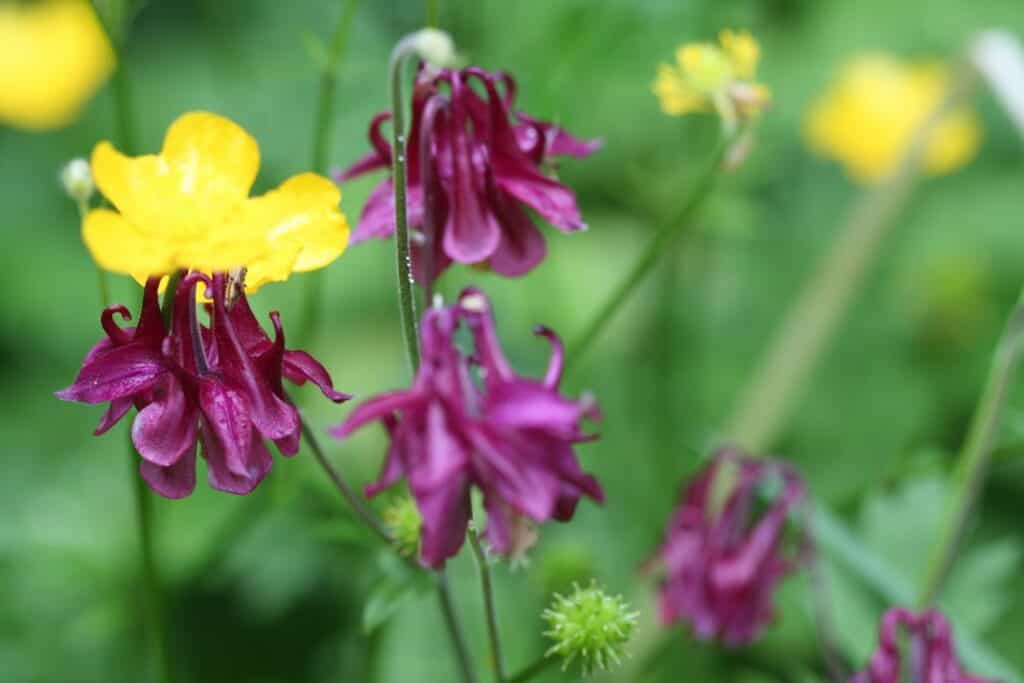
Columbine has unique three lobed leaves which are very easy to identify. Even in very young seedlings and volunteers in the garden, the identifiable leaves are evident.
The leaves are a medium green colour, although can sometimes have a burgundy hue at the edges. The burgundy colouration can sometimes cover the entire leaf surface as well.
The plant forms a beautiful clumping appearance with a mound of leaves. It will remain attractive in the garden even after the plant has finished blooming.
Drops of water that collect on the leaves of Columbine are beautiful, as they glisten and refract the light.
Since Columbine does reseed, it's helpful to be able to identify the seedlings through leaf identification, in case they need transplanting or removal.
You never quite know where you will find them if they are happy, sometimes appearing in crevices and cracks in walkways with little pockets of soil.
Columbine Seeds
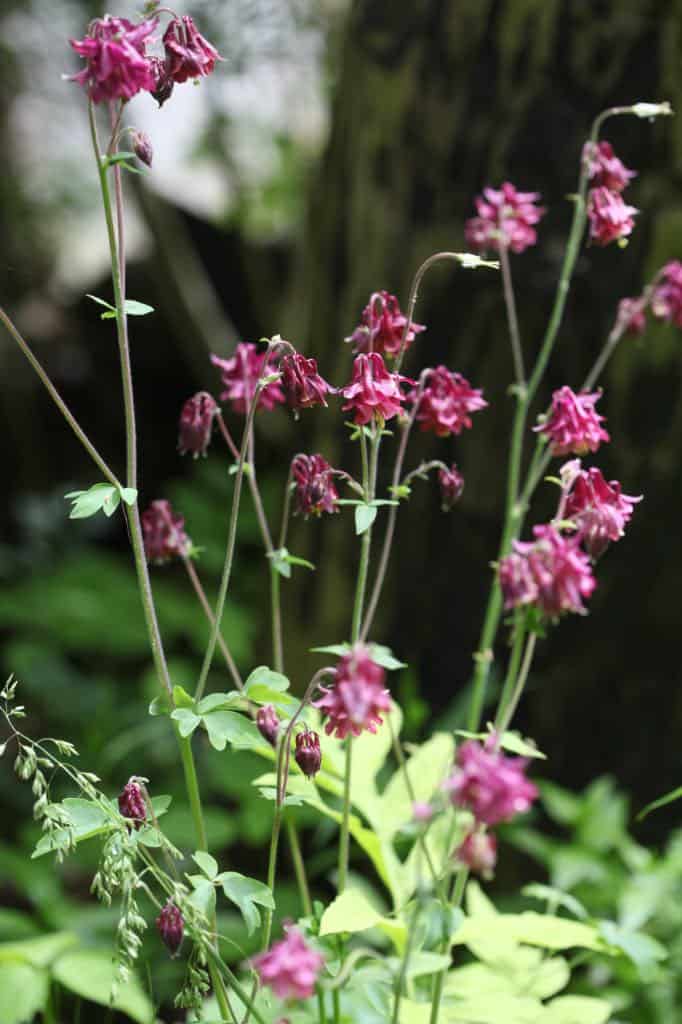
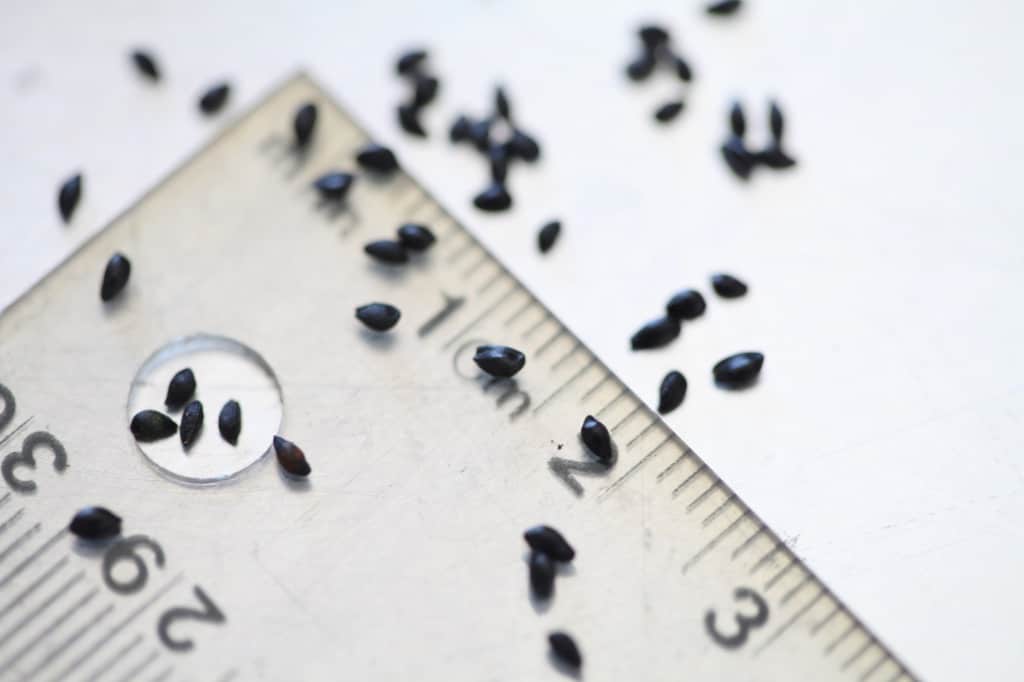
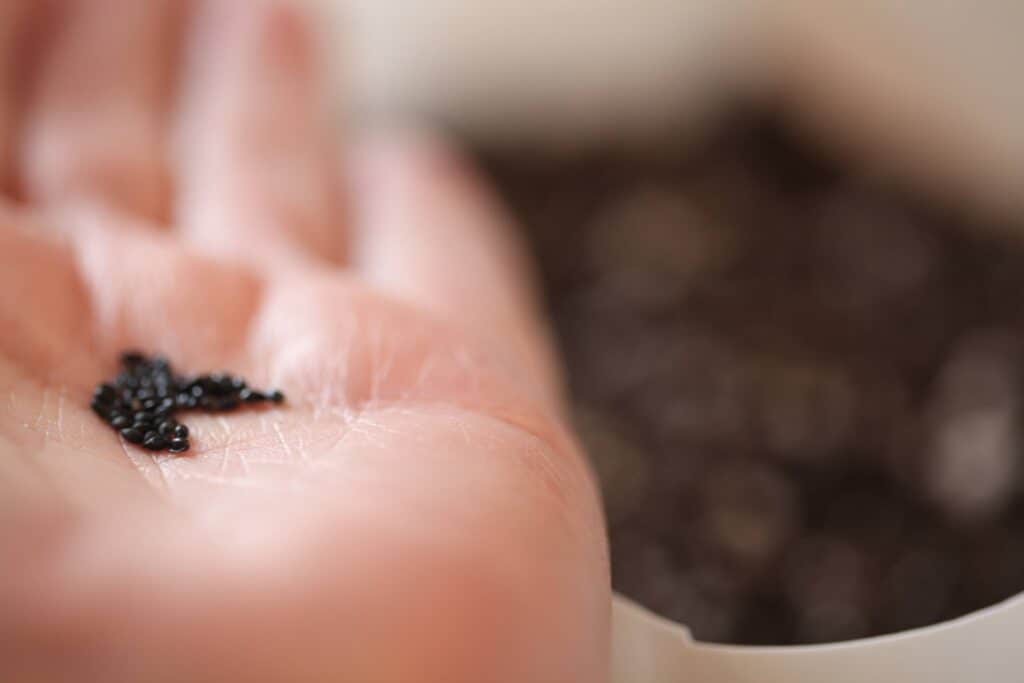
Columbine seeds are tiny, oval shaped and black in colour.
The seeds are approximately 2mm in length.
Since Columbine is a herbaceous perennial, the seeds will require some form of stratification to aide in the germination process.
The seeds can be planted outside in the fall or early spring and left to be stratified in the natural elements. Alternatively they can be started indoors in spring using artificial stratification techniques.
Columbine Seed Pods
Columbine seed pods or seed heads are easy to identify and are unique in appearance.
They form on the plant after the flower has been fertilized, and once it is finished blooming. The seed pods are tubular in form, with four tubes attached together to make up the pod.
As the seed pods mature they will turn brown, and will release the seeds back into the garden if left in place.

Is Columbine Easy To Grow?
Columbine is an easy plant to grow, even for the beginner gardener.
Due to the perennial nature of this plant, the only slight challenge of growing it from seed is the need for stratification.
If the seeds are stratified using the right techniques, seed germination is easily achieved.
Once happily established in the garden, Columbine will reseed. At this point the winter climate with freezing and thaws will provide a natural stratification for the seeds.
This allows the plant to reseed with ease.
Once Columbine is established in the garden, it requires little to no maintenance. It will continue to grow for many years.
Does Columbine Bloom All Summer?
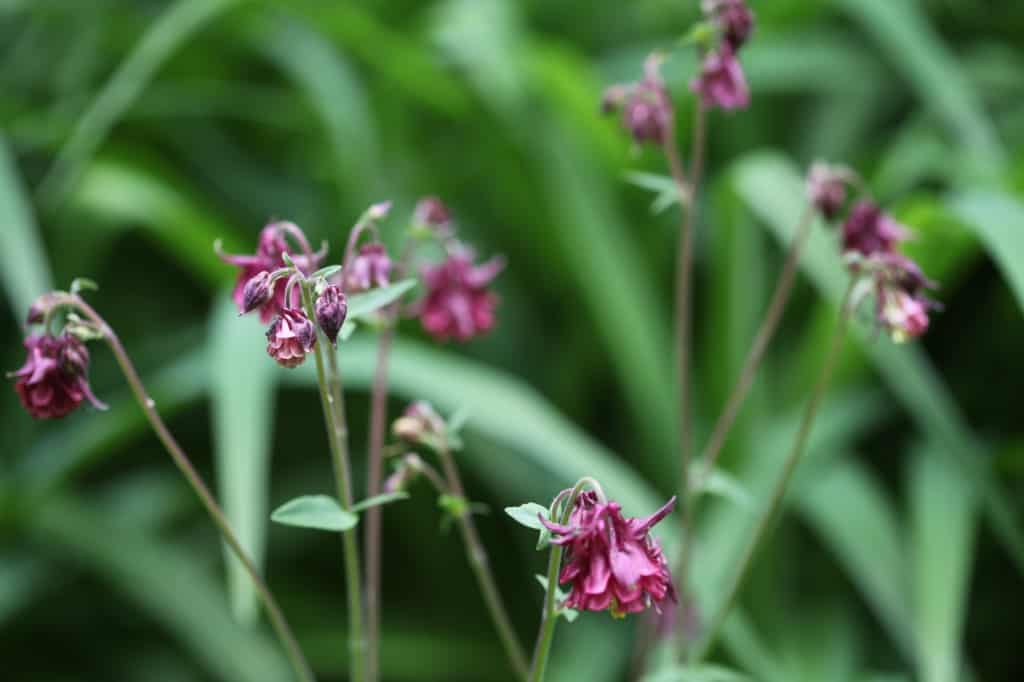
Like most herbaceous perennials, Columbine has a set blooming period for the growing season, and will not bloom all season long.
Blooming time is approximately one month in late spring, and generally occurs after the spring bulbs have finished blooming.
The exact blooming period will depend on the growing zone. Milder climates will have earlier bloom.
You can also extend the bloom time of this plant however by deadheading spent blooms.
Deadheading prevents the plant from making seeds, diverting more energy into further flowering and plant growth.
How To Grow Columbine
Columbine is best propagated by seed, although can also be propagated by division.
Some hybrids in fact are sterile, and therefore these plants can only be propagated by division or cuttings.
How To Grow Columbine From Seed
Columbine is fairly easy to grow from seed as long as the seeds have been stratified.
The seeds also require sunlight to germinate, so do not cover when planting. Rather, sprinkle onto the soil, and gently press into place.
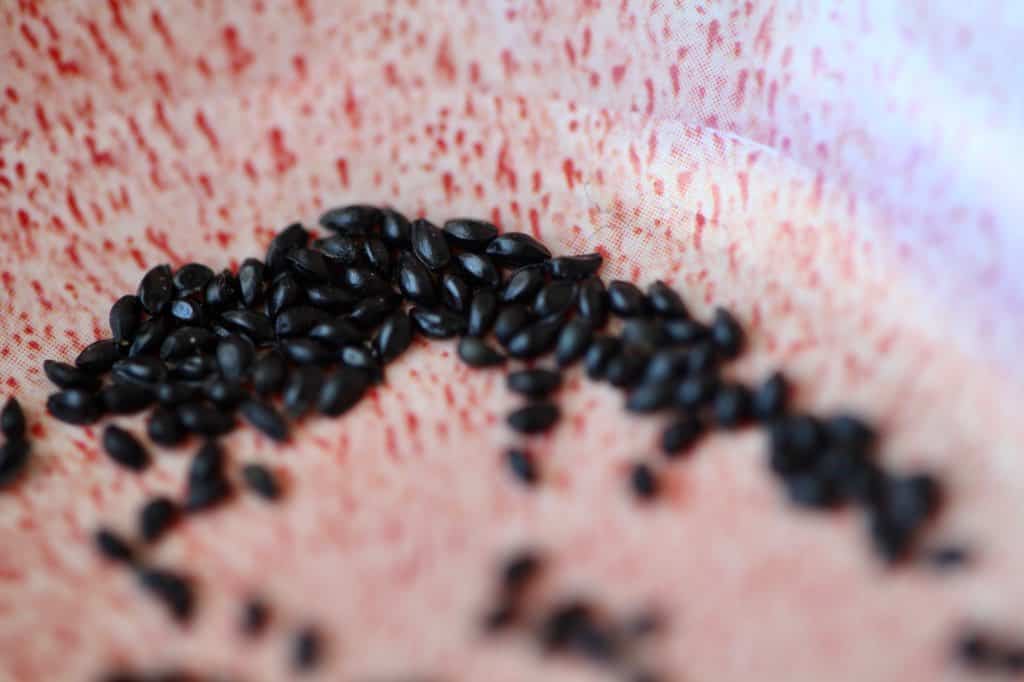
There are several ways to grow Columbine from seed. The seeds can be:
- Planted outdoors directly into the garden, or left to self seed
- Winter sown in milk jugs or similar planting containers.
- Started indoors in late winter and grown under lights until spring
Planting Columbine Seeds Outdoors
Planting Columbine seeds outdoors is the best way to grow these plants. Direct seeding into the garden allows the seeds to be exposed to freezing temperatures, moisture, and freezes and thaws.
To plant Columbine seeds outdoors:
- Direct sow into a prepared garden bed in late fall or early spring.
- Sprinkle the seeds directly onto the soil.
- Press them into place.
- The seeds will naturally stratify in the outdoor elements.
- Once the seeds germinate and grow, the seedlings will remain in place. They will not need to be transplanted or experience root disruption.
Winter Sowing Columbine Seeds
Winter sowing Columbine seeds is an easy way to naturally stratify them:
- Prepare an empty milk jug by washing, cutting in half, and poking drainage holes on the underside of the jug.
- Fill the prepared milk jug with soilless medium.
- Sprinkle the Columbine seeds onto the surface of the medium, and press into place.
- Make sure to label the seeds both on the inside and the outside of the container. This is important in case the label gets washed off in one of the locations.
- Tape up the halves of the milk jug with masking tape. Leave the top off the container to allow moisture to enter the jug.
- Place the planted container outside in an uncovered area until the new seedlings start to grow in spring.
- The Columbine seedlings are naturally hardened off due to this growing process, having germinated and grown in the outside elements.
- Open up the jug when it gets warm outside.
- Transplant to the garden in early spring.

Planting Columbine Seeds Indoors
- Columbine seeds planted indoors will require artificial stratification.
- To accomplish this, place the seeds in the fridge in a plastic bag for at least three weeks to a month prior to planting. For best results add some moist vermiculite or a moist paper towel into the bag as well.
- A cool moist chill in the fridge will help to break down the outer surface of the seed required for successful germination.
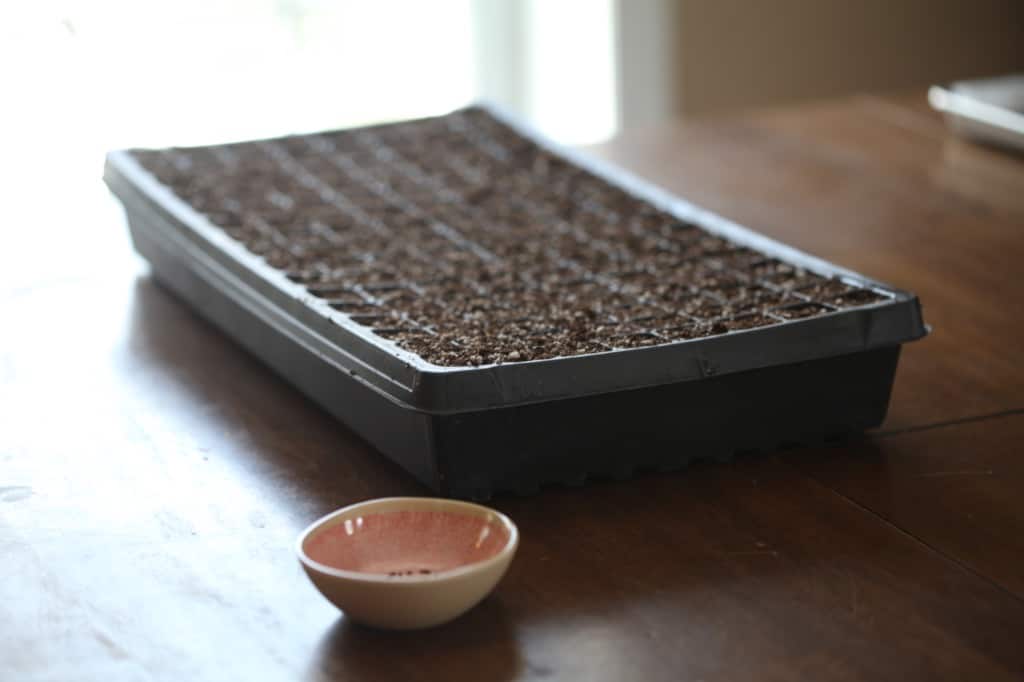
- Remove from the fridge and plant in seed trays filled with soilless medium.
- Surface sow the seeds to allow exposure to light, which is necessary for germination of Columbine seeds.
- Bottom water the trays to prevent seed disruption or movement.
- Provide bottom heat, such as a heat mat while awaiting germination. Germination of Columbine seeds occurs unevenly in thirty to ninety days.
- Remember to keep the soil moist during the germination process by bottom watering.
- When seedlings emerge, place under grow lights.
- Harden off and transplant out into the garden in spring when the risk of frost has passed.
Transplanting Columbine
- Columbines can be transplanted, however make sure to do this in early spring or late fall when there is no active growth.
- Established plants can have deep roots, so it is important to transplant early in the season before there is much new root growth if possible.
- Do not transplant the plant when it is blooming or making seeds if at all possible, as this can cause transplant shock.
- To transplant, dig around the plant with a shovel or spade, and remove the plant and rootball from the soil.
- Replant in the new location at the same soil level as originally grown.
- Water in well.
Growing Columbine From Divisions
- Columbine is a herbaceous perennial, and grows from a rhizomatous root system.
- The Columbine plant can be propagated by division similar to other herbaceous perennials.
- Divide during dormancy or early growth to prevent transplant shock.
- Dig around the plant and lift the rootball.
- Divide by cutting through the root system with a sharp clean tool or knife.
- The divisions can be replanted back into the garden.
- Water in well, and keep moist while reestablishing in the new growing locations.
Growing Columbine In Pots
- Columbine can be grown in pots, and even left to overwinter in the pots in warmer growing zones.
- If you plan to keep the plant in the pot long term, provide lots of space for growth.
- Make sure to provide a good potting soil, ensure good drainage, and water the plant regularly to keep the soil evenly moist.
- Placing some mulch on top of the growing medium in the pot is a good way to help keep the moisture in the soil.
- If you plant your Columbine in a window box, you will no doubt be able to enjoy the pollinators that it attracts, such as hummingbirds, butterflies, and other beneficial insects.
Columbine Care
Where Does Columbine Grow Best?
Let's review some of the considerations for growing Columbine.
Growing Zones
- Columbine grows in USDA hardiness zones 3 to 8.
Soil Requirements
- Columbine will grow well in a variety of soil types, but does best in well drained rich soil high in organic matter.
Light Requirements
- Columbine grows well in shade and part shade. It can also grow in full sun locations, although grows best in morning or late afternoon sun.
- Although it can grow in all three locations, it grows best in partial shade.
Moisture Requirements
- Columbine requires regular watering during it's first year of growth, and benefits from an evenly moist soil.
- As the plant becomes more established it will become more drought tolerant.
- If grown in a shaded or partial shaded area, there will be less evaporation of the moisture from the soil, contributing to a moister soil environment for the plant.
How To Deadhead Columbine Flowers
To deadhead, just remove the spent blooms with a pair of scissors or garden snippers.
If spent blooms are deadheaded, the plant's energy will no longer be required for seed formation.
With regular deadheading this energy can therefore be diverted to further bloom production. This allows the plant to produce new flowers, helping to prolong the blooming period.
Will Columbine Rebloom If Deadheaded?
Columbine bloom time will be extended if deadheaded.
The Columbine bloom period can be extended by a couple of weeks to a month if the blooms are regularly deadheaded.
Pruning Columbine Foliage
Pruning Columbine foliage is not generally required.
Sometime however the foliage may become burned by the sun, or experience other types of damage, such as fungal disease caused by powdery mildew or insect damage.
In this case it's a good idea to prune back the damaged or diseased foliage and discard.
Sometimes in hotter climates the foliage of Columbine will go dormant during the hot weather, reappearing later in the season when cooler temperatures return.
In this case you can cut away the dead foliage, and await the new growth to reappear.
Deer And Rabbit Resistance
Columbine is said to be deer and rabbit resistant.
Wildlife such as deer and rabbits are still known to eat the plants and flowers however, especially if they are very hungry. Therefore protect the plants as necessary.
Columbine Companion Plants
Companions plants for Columbine are those that grow at the same time during the growing season, as well as those that grow in a similar location in the garden.
Another consideration are flowers which also provide that same wildflower appeal, such as those grown in cottage gardens.
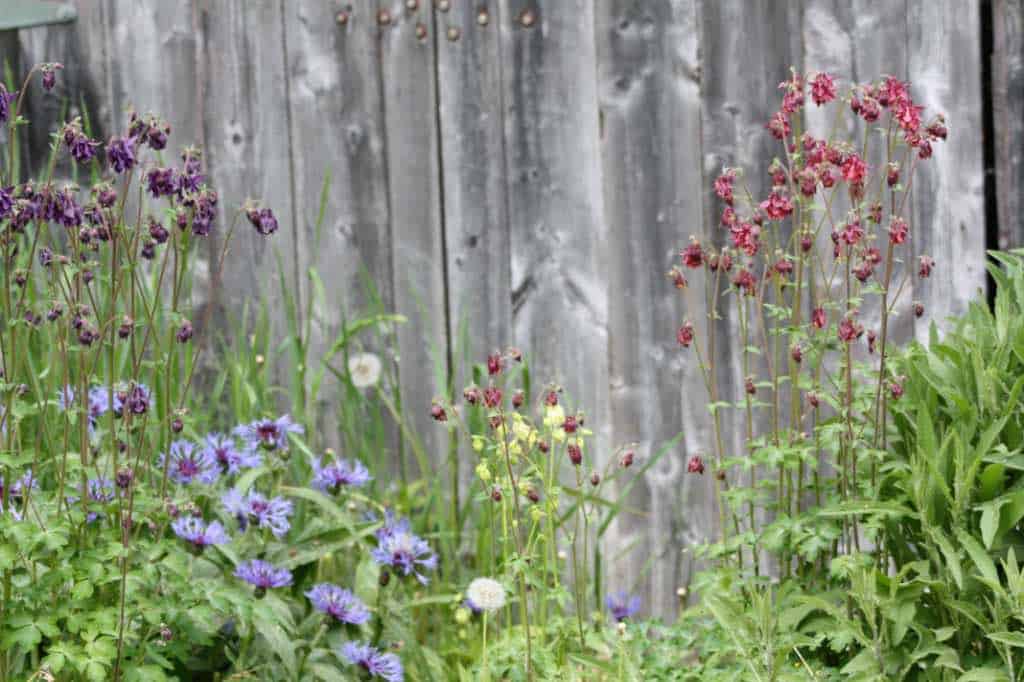
Examples of great companion plants for Columbine include Foxglove, Siberian Iris, Orlaya, Alliums, Silene Vulgaris, and Perennial Bachelor Buttons.
Using Columbine As A Cut Flower
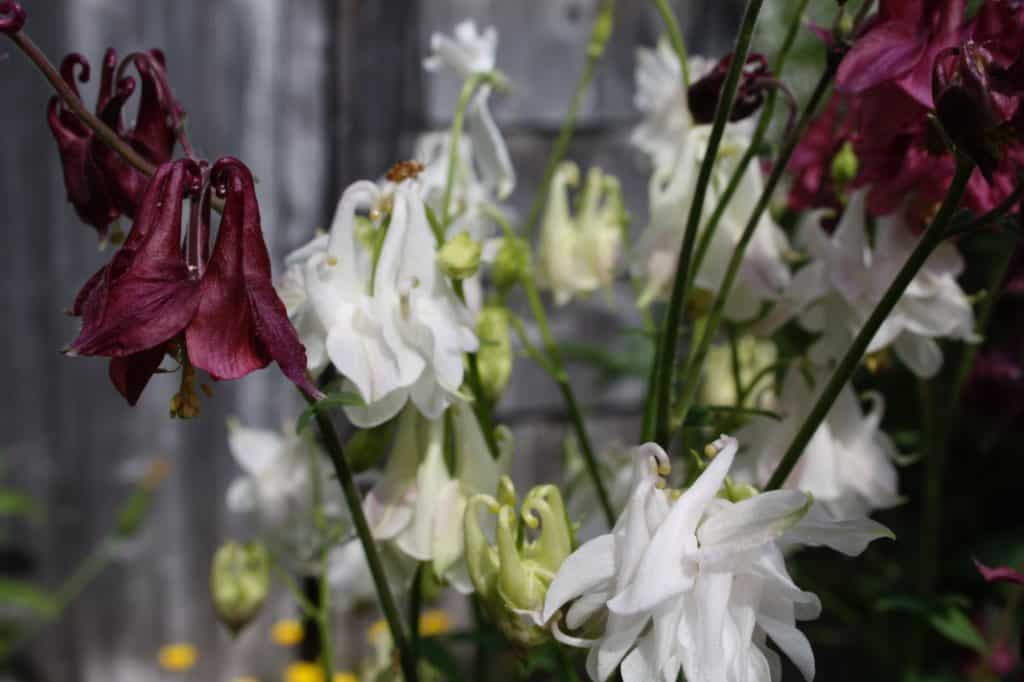
Columbine flowers have great potential to be used as cut flowers.
They offer a lovely wild flower and cottage garden look to flower arrangements, and are long lasting in the vase.
Flowers can last up to two weeks with proper conditioning.
Conclusion
Columbine is a cottage garden favourite of many gardeners. These perennial plants are easy to care for and will return to the garden year after year.
These native plants are a great addition to any garden landscape, especially one that is able to provide a light shade location.
Columbine is a plant with many different species and cultivars, and is available in a variety of colors. It has benefits as a native plant, and provides nectar for pollinators and beneficial insects.
This lovely woodland plant is a favorite of hummingbirds and bumble bees, who are sure to visit the plant in the garden.
The plants are easy to grow and require little to no maintenance.
They also readily set seed, to perpetuate in the garden.
Self seeding can also be easily prevented if the gardener choses to deadhead spent blooms. The added bonus is of course a longer bloom time.
Next year we plan to add a few more species plants to our garden. I look forward to watching these plants grow and establish in the garden for many years to come.
Have you grown Columbine in your garden? Be sure to leave a comment below to share your experience.
Other Posts You May Like:
PIN IT FOR LATER!


Leave a Reply