
Winter sowing perennial seeds is a great winter activity for any gardener. The winter sowing technique is an almost hands off method for getting the perennial seeds stratified and growing in the outdoor environment. Learn how to winter sow perennial seeds, and get your perennial plants off to a great start.

Since starting winter sowing several years ago, I've increased the perennial seeds that I plant using this method. This is because it's a great technique for starting hardy seeds.
The reason that I love this planting technique so much is that it is also just so simple, and easy to do.
The winter sowing method involves sowing seeds in winter. These seeds are planted into protected containers, and then placed outside in the cold environment, during the winter months.
The cold weather, thaw cycles, and exposure to outdoor elements will provide a period of cold stratification for the seeds. This cold moist period is important for germination of winter-sown seeds, because of the stratification it provides.
Somewhat counterintuitive, this method actually replicates nature. It's a great way to sow hardy perennial seeds, including perennial flowers, as well as perennial herbs.
Winter sow perennials in the cold days of winter, because it's a great way to create good quality seedlings for the following spring.

Can All Perennial Seeds Be Winter Sown?
Not all perennials should be winter sown in every hardiness zone however, because not all perennials can be grown in every zone.
Allow your own usda plant hardiness zone map to guide you, in your selection of perennials which will be good candidates to winter sow.
Tender perennials for example, may not survive the exposure to extreme cold and frosts in colder growing zones. However, hardy herbaceous perennials will not only survive the cold exposure, but will also benefit from it.
Native plants which are perennial, will also benefit from winter sowing. Winter sowing native seeds from your growing zone will provide those seeds with everything that they require for successful germination and growth.
Tropical perennials on the other hand, which are more tender plants, should not be exposed to freezing temperatures at all. These perennials are best grown in warmer climates, or grown as annuals in colder locations, if they are able to flower in their first year.
Consider the growing zones listed for each of the perennials which you are planning to winter sow, because this is where they will grow best.
If they are not able to grown in your growing zone, then they probably should not be winter sown in your climate.
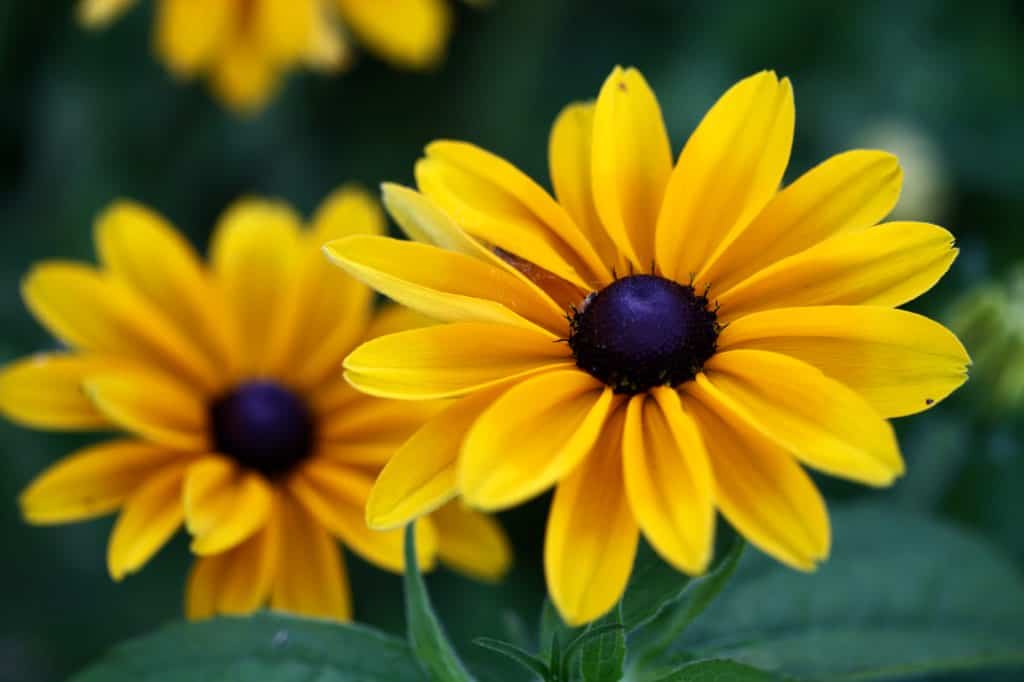
There are always exceptions to the rule however. For example, some tender perennials can be grown as hardy annuals in colder climates, such as rudbeckia, and therefore can be grown with the winter sowing technique.
Winter Sowing Perennials
When To Winter Sow Perennial Seeds
The best time to winter sow perennial seeds is when the early winter months are upon us, and the cold temperatures have settled in.
It's important not to plant too early, to avoid the risk of a warm spell, which can cause early germination of the perennial seeds.
If the seedlings germinate early, before the winter freezing, then they will likely be lost once the winter temperatures arrive.
Therefore it's better to start the winter sowing process after the winter solstice, which is the first day of winter, and the shortest day of the year.

How To Winter Sow Perennial Seeds
Winter sowing perennial seeds can be a very easy process.
If you plan to sow a number of different seed types, it's a good idea to get your sowing containers prepared in advance.
I did another post on winter sowing in milk jugs, which goes into more detail about container selection and preparation.

Preparing The Container
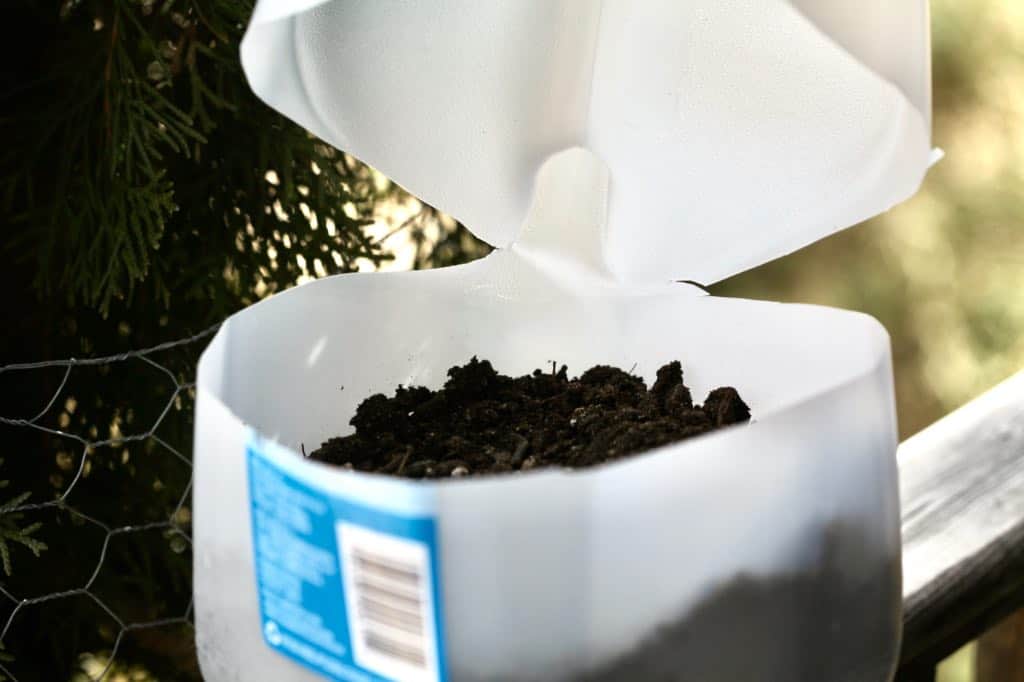
- If you are using recycled plastic containers, like milk jugs, soda bottles, or water jugs, make sure that they are well rinsed and clean.
- Cut a selected container in half, however leave a small hinge, to keep the two halves barely attached.
- Remove the cap from the pouring spout, because this will be an important venting hole to allow heat to escape. It is also a means to deliver moisture to the seeds and plants while they are in the milk jugs.
- Make drainage holes in the bottom of the container, which will allow moisture to drain from the containers as necessary.
- Fill the bottom half of the container with a good sterile seed starting medium or potting mix.
Planting The Seeds
- Plant your perennial seeds, spacing and covering them according to seed type. Know the seeds that you are planting, especially if they require light or darkness for germination.
- Those seeds that require darkness will need to be covered with the planting medium. Those that require light will usually be sprinkled over the surface of the soil.
- Label the seed type on the container with a permanent marker, identifying the seed and also the date.
- Do this in several locations, on the inside of the lid, as well as on the outside of the jug. You can also place a label on the bottom of the jug.
- The labels sometimes get washed off, so it's best to be safe than sorry.
Tape Up The Container
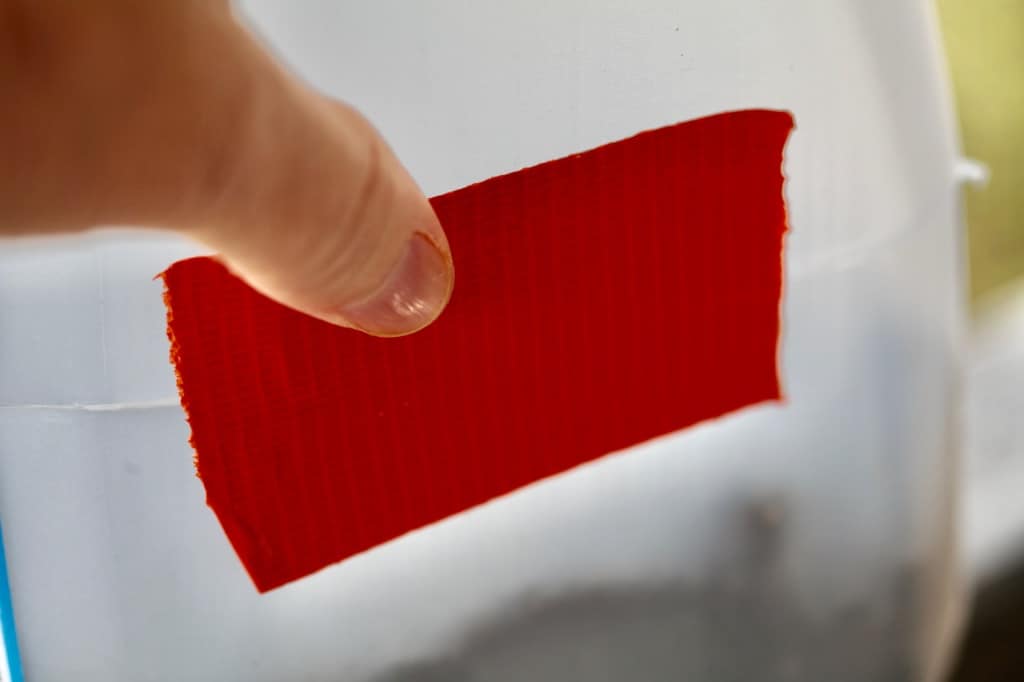
- Tape the top half of the jug back into place, adhering it to the bottom half with duct tape.
- The duct tape is very sticky, and will last throughout the winter season, holding the jug together.
- Don't worry if the jug halves do not come together perfectly, or if there are gaps in this mini greenhouse container. These will just be extra areas where more moisture can get in, so that is a good thing.
Place The Containers Outside
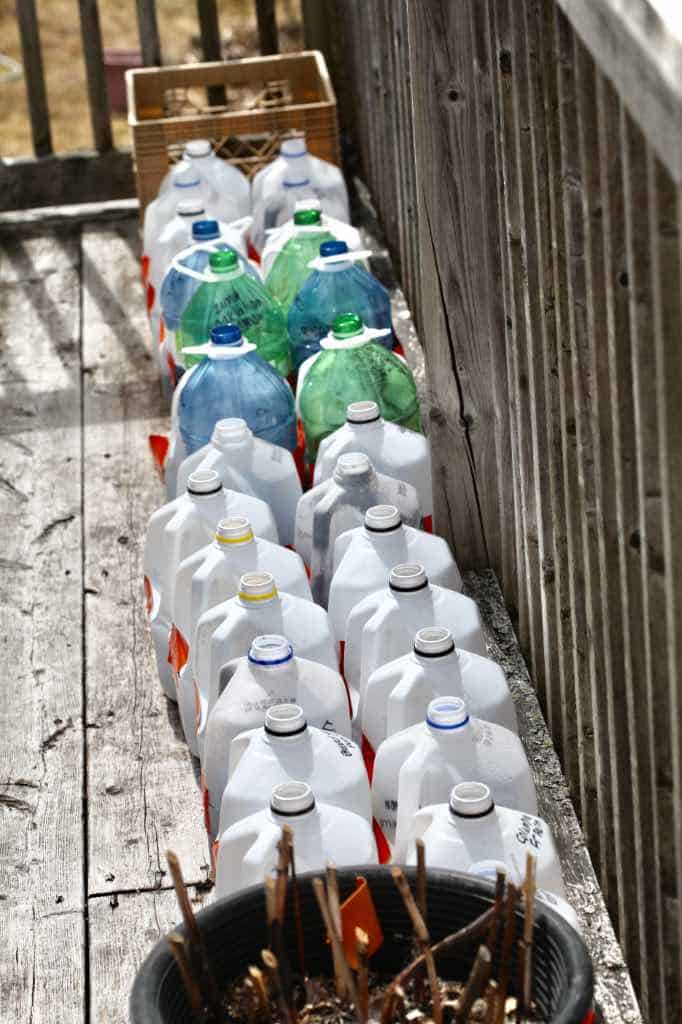
- As you prepare each container with winter sown seeds, the jugs can be placed outside in a secure location in full sun.
- The jugs should be placed in an exposed area where they will get sunlight and rain, yet also be somewhat supported and protected as well, away from strong winds.
- A heavy wind, or even an animal passing by, can easily knock over winter sown containers.
- I often place many containers together, and place supports on each end, like book ends, supporting the whole group together.
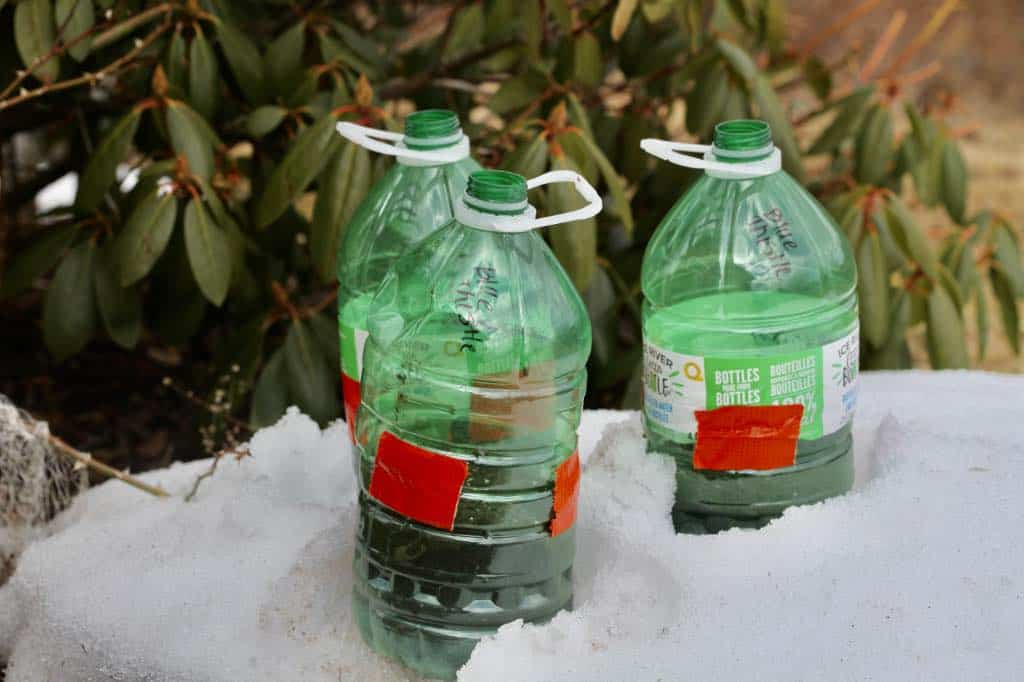
- The containers of winter sown perennial seeds will spend the winter months in the outside environment, therefore exposed to snow and freezing cold temperatures.
- They may even get completely covered by snow. Don't fret however, because this is a good thing.
- When the timing is just right in your own growing zone, and the soil temperatures warm up to the right temperatures for your specific seeds, the seeds will begin to germinate.

Spring Care Of The Containers
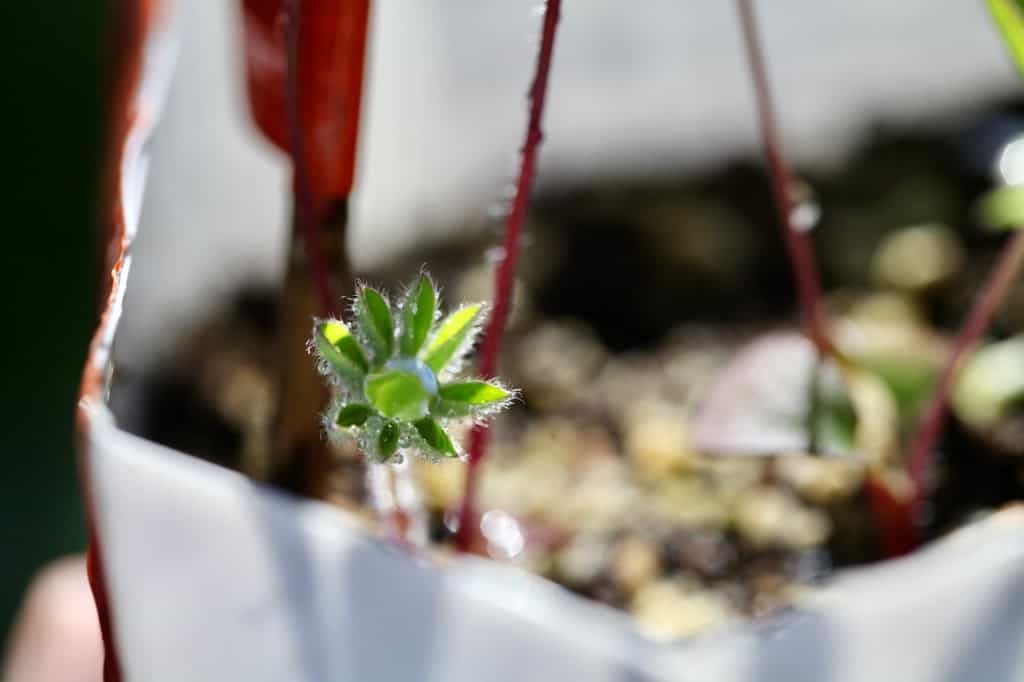
- Winter-sown plants are naturally hardened off, being exposed to the outdoor environment. They are still protected however, in their mini greenhouse containers, from occasional frosts which occur in early spring.
- As the weather warms up, it can also get quite warm inside the containers for the young seedlings. You can add some extra ventilation holes, or lift the lids to provide some air circulation, and gradually expose the seedlings to the outdoor environment even more.
- Keep an eye on the moisture level in the soil, which can dry out in the heat, especially if it has not rained for awhile. The soil will need to stay moist while the seeds are germinating.
- Maintain the seedlings by watering as needed, and gradually harden them off fully to the outdoor environment.

Planting Into The Garden
- Plant your winter sown perennial seedlings into the flower garden or herb garden, after the last frost date in your area.
- Once the seedlings have been hardened off, and the risk of frost has passed, the young plants can then be transplanted into the garden.
- Depending on how the seedlings are growing in the winter sown containers, you may be able to separate the plants out individually to replant them.
- However, sometimes it is just easier to divide the soil inside the container into pieces, and to plant in this manner.
- This will cause less root disruption, and you can then thin the plants as needed, when they begin to grow in the garden.
- Many perennial seedlings will not produce flowers in that first year. Some will require the first growing season for root establishment and growth.

Best Perennial Seeds For Winter Sowing In Zone 5b
The best perennial seeds for winter sowing in your area are those that can be grown in your own hardiness zone.
I'll be listing therefore, some of the best perennial seeds for winter sowing in zone 5b, our local growing zone. These perennial seeds can withstand winter temperatures which sometimes dip to -20°C to -25°C, or -4°F to -13°F.
Yarrow (Achillea millefolium)
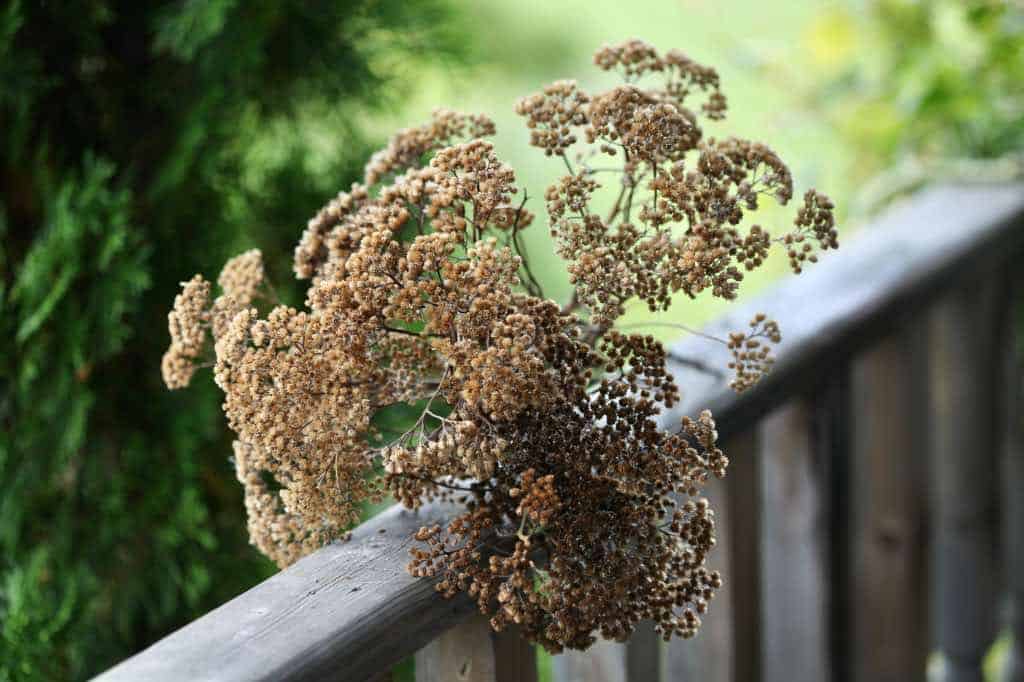
- The yarrow plant is an easy perennial to winter sow. Many wild yarrow grow naturally in our zone 5b location.
- Yarrow, or Achillea millefolium, has tiny daisy-like flowers growing closely together on a larger flower head. The colors of the blooms range from muted creams, apricots and pinks, to much more vibrant tones, depending on the varieties.
- Yarrow seeds will need to be surface sown, because they require light for germination.
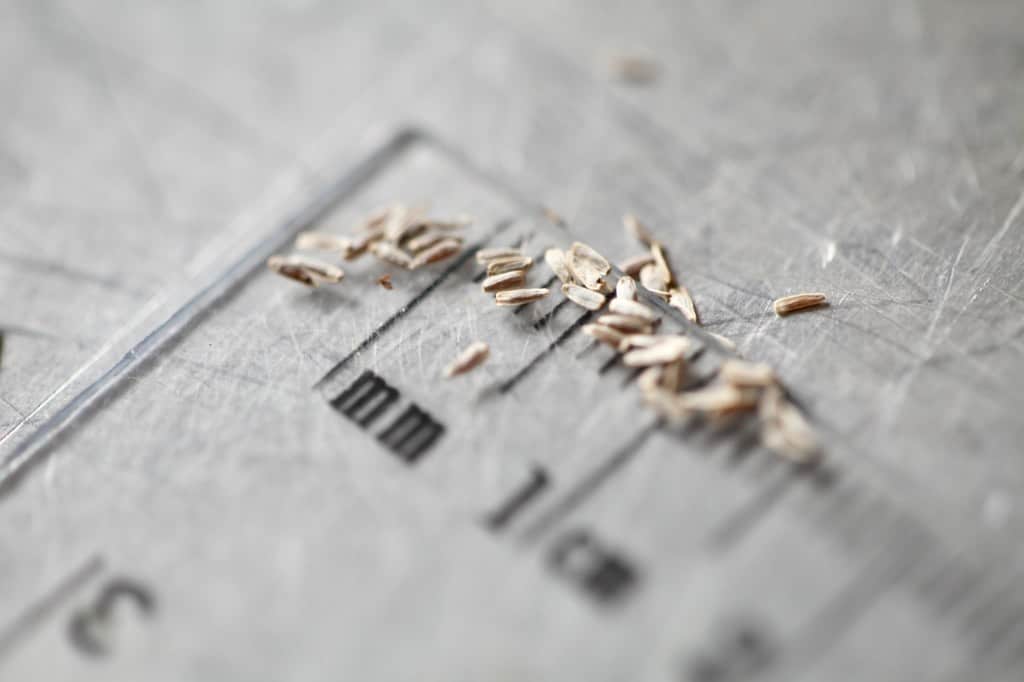
Yarrow grows in USDA plant hardiness zones: 3-9
Purple Coneflower (Echinacea)
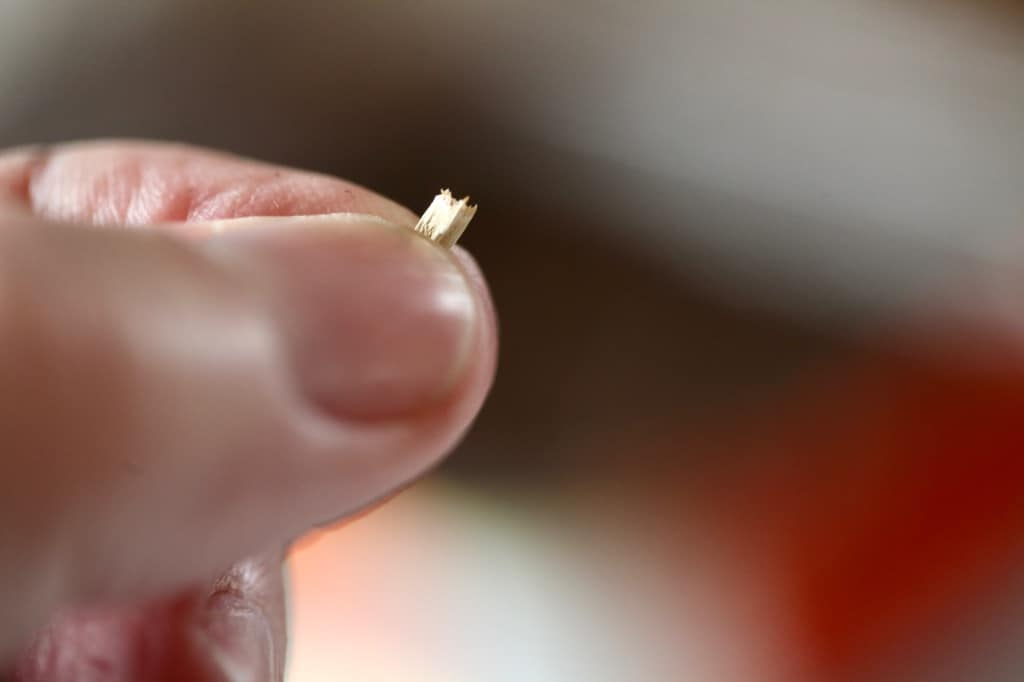
- Echinacea, or purple coneflower is easy to winter sow.
- Purple coneflower is a cottage garden plant, with large daisy-like blooms. Most often found in shades of pink or white, the flowers can vary in appearance depending on the variety.
- Purple coneflower seeds will need to be planted approximately ⅛ inches deep. The seeds do not require light for germination.
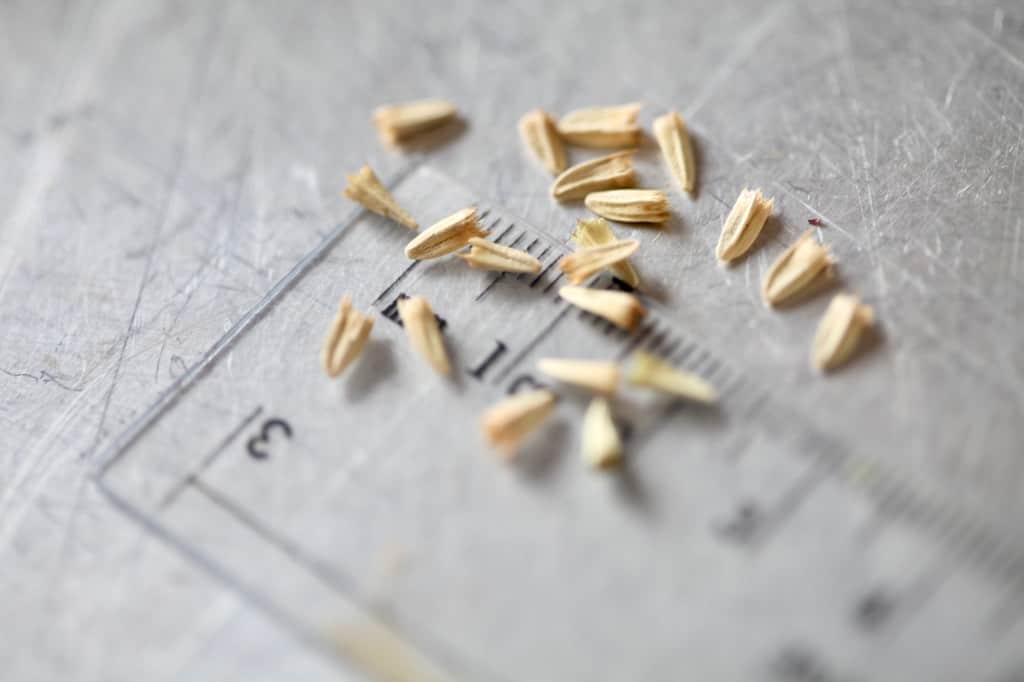
Purple coneflower grows in USDA plant hardiness zones: 3-8
Lupine (Lupinus)
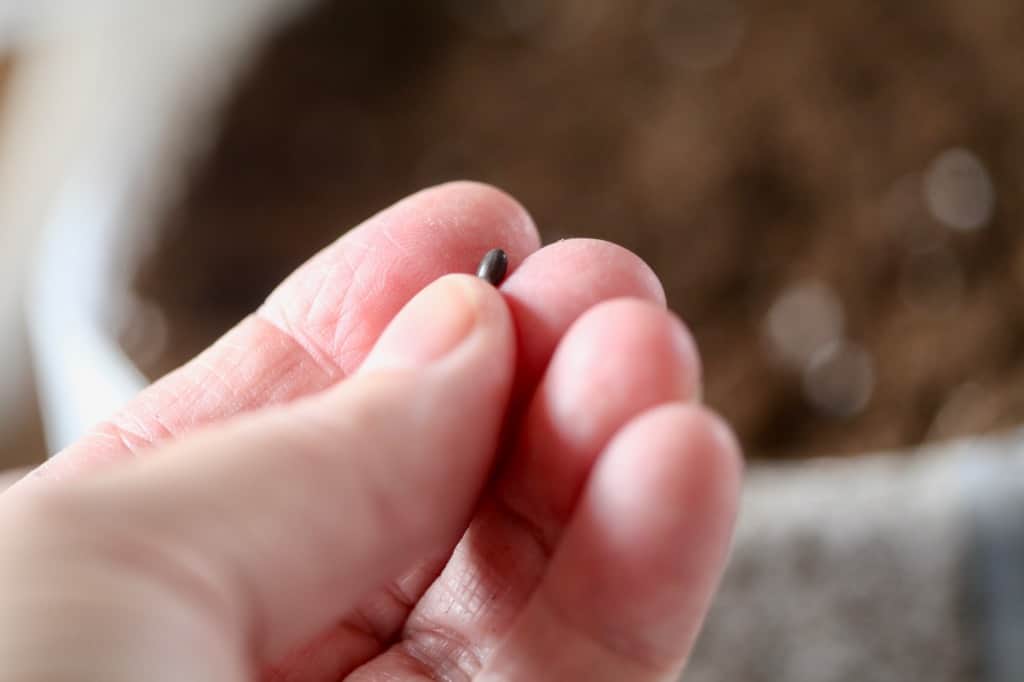
- Lupines are a good choice for winter sowing.
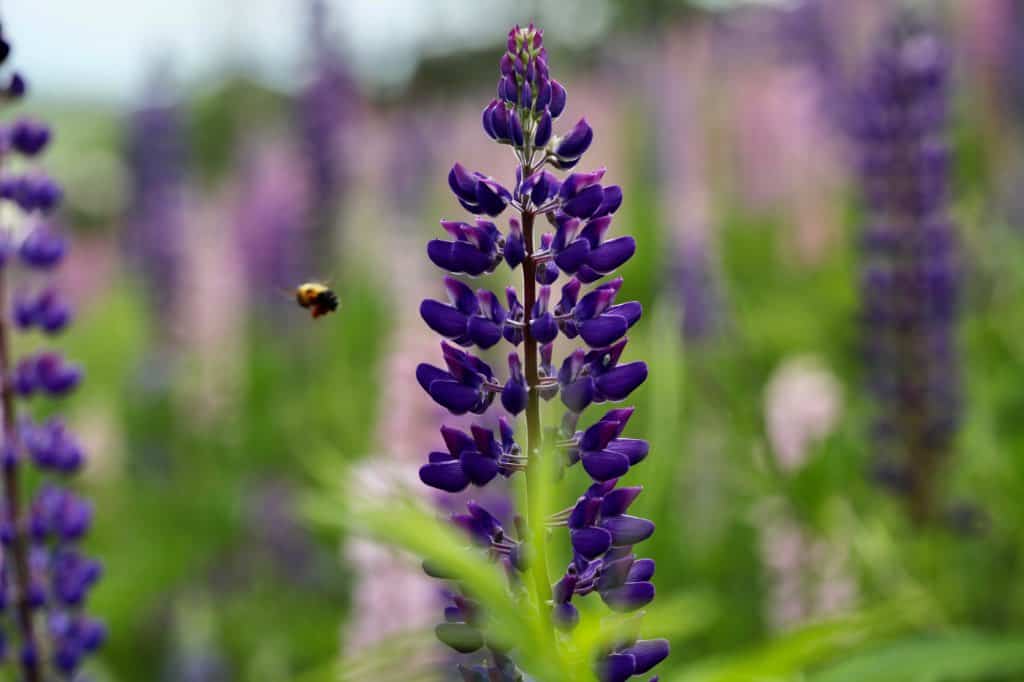
- Wild lupines produce spikes of colorful flowers that shine brightly along the roadsides when in full bloom. These herbaceous perennials are an early summer favorite, and are easy to winter sow.
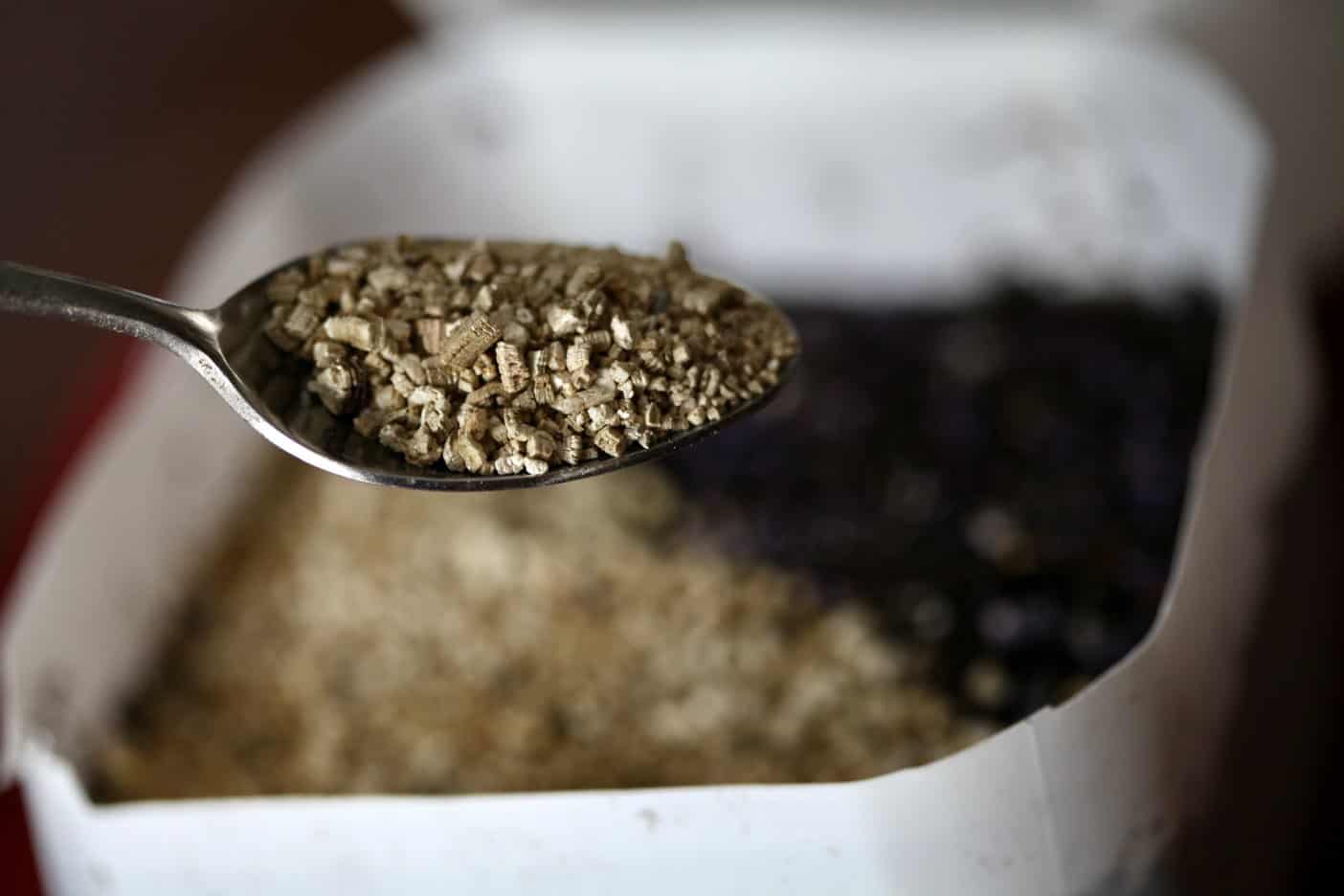
- Lupine seeds will need to be planted approximately ⅛ inch deep. The seeds can be lightly covered with seed starting medium or vermiculite, and will need some light for germination.
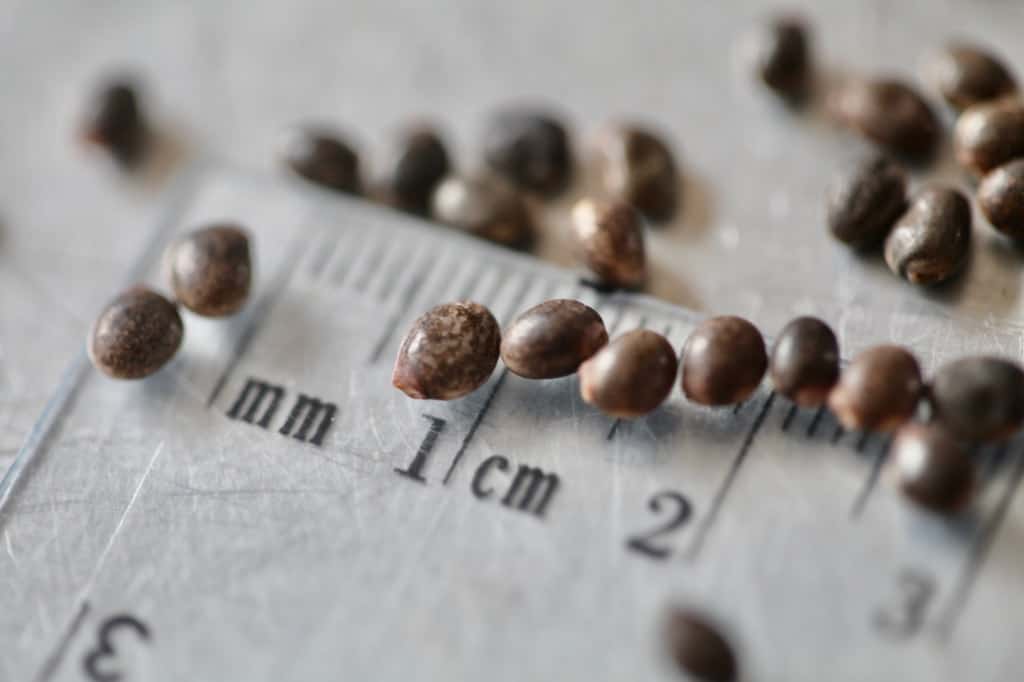
Lupine grows in USDA plant hardiness zones: 4-8
Globe Thistle (Echinops)
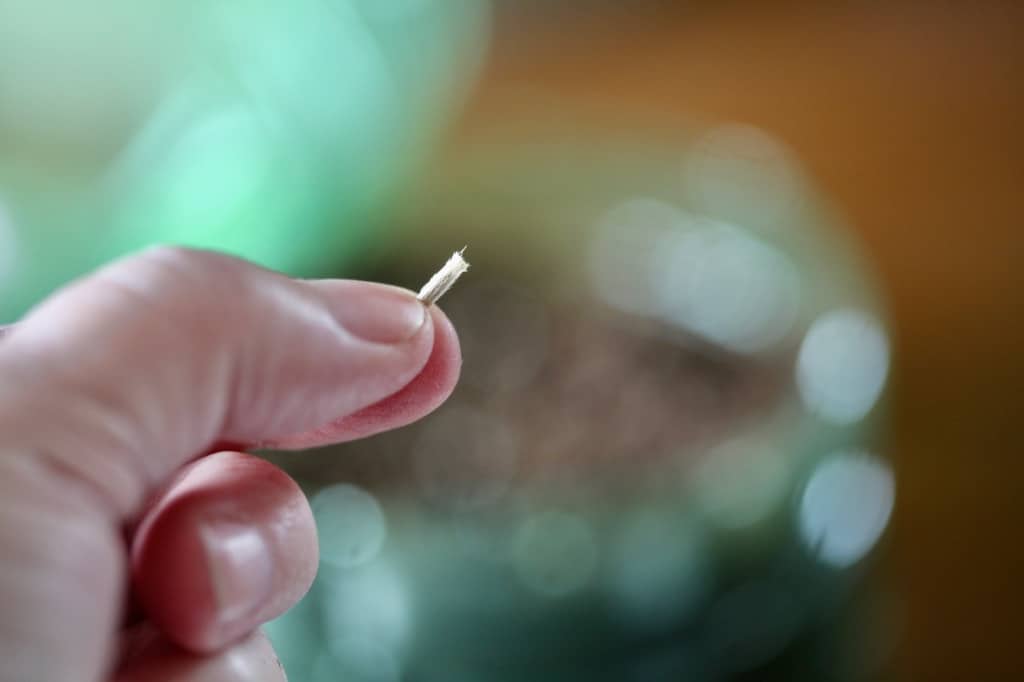
- Globe thistles have attractive blue thistle-like blooms, and look wonderful in the perennial border. The plants are easy to grow from seed, and are also easy to winter sow.
- Globe thistle seeds will need to be sown on the surface of the soil, and gently pressed into the soil, because the seeds require light for germination.
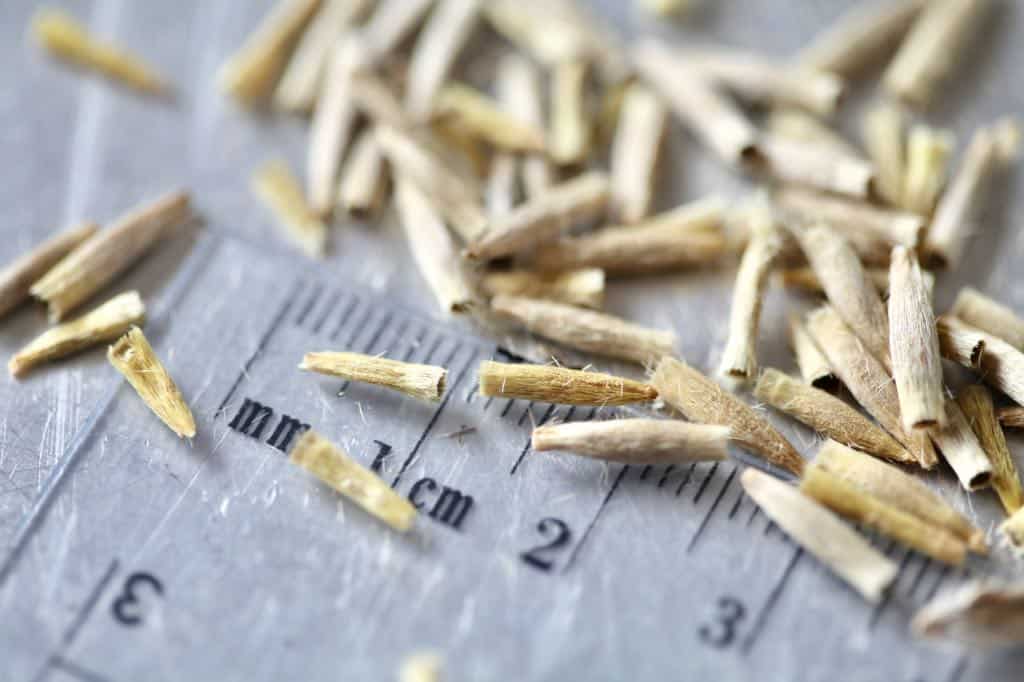
Globe thistle grows in USDA plant hardiness zones: 3-9
Silene Blushing Lanterns (Silene Vulgaris)
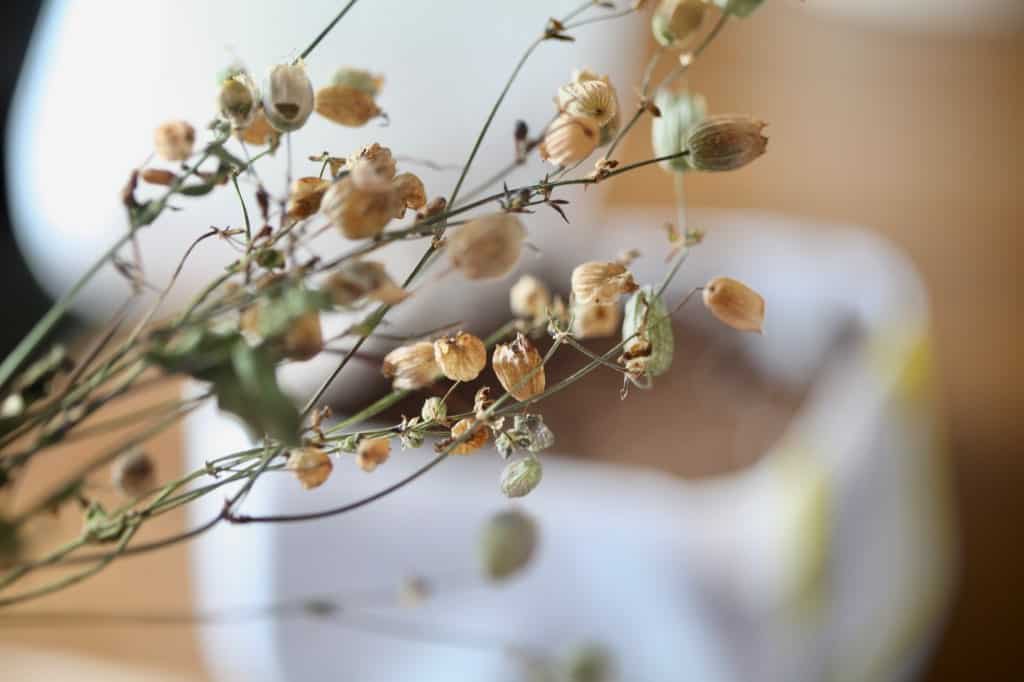
- Silene blushing lanterns are easy perennials to winter sow.
- A native wildflower, this perennial has a bloom which is shaped like a little lantern. This plant readily grows in winter sown containers, and is a good choice for the perennial garden.
- Silene blushing lantern seeds will need to be surface sown and lightly covered with planting medium, because the seeds require some light for germination.

Silene blushing lanterns grow in USDA plant hardiness zones: 5-8
Fireweed (Chamerion Angustifolium)

- This native wild flower is generally found growing wild, in disturbed areas, such as fire damaged woodlots, and along the tree lines. If you collect the seeds you can winter sow the plants as well.
- Fireweed seeds will need to be gently sprinkled on the surface of the soil, because they require light for germination.
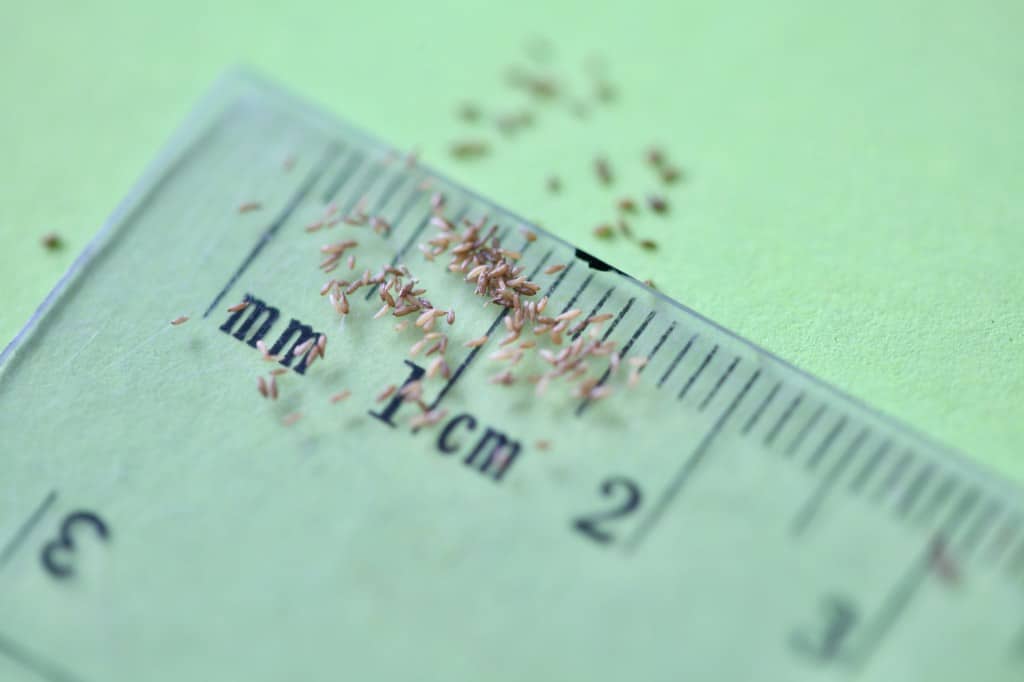
Fireweed grows in USDA plant hardiness zones: 2-7
Violas (Viola Tricolor)
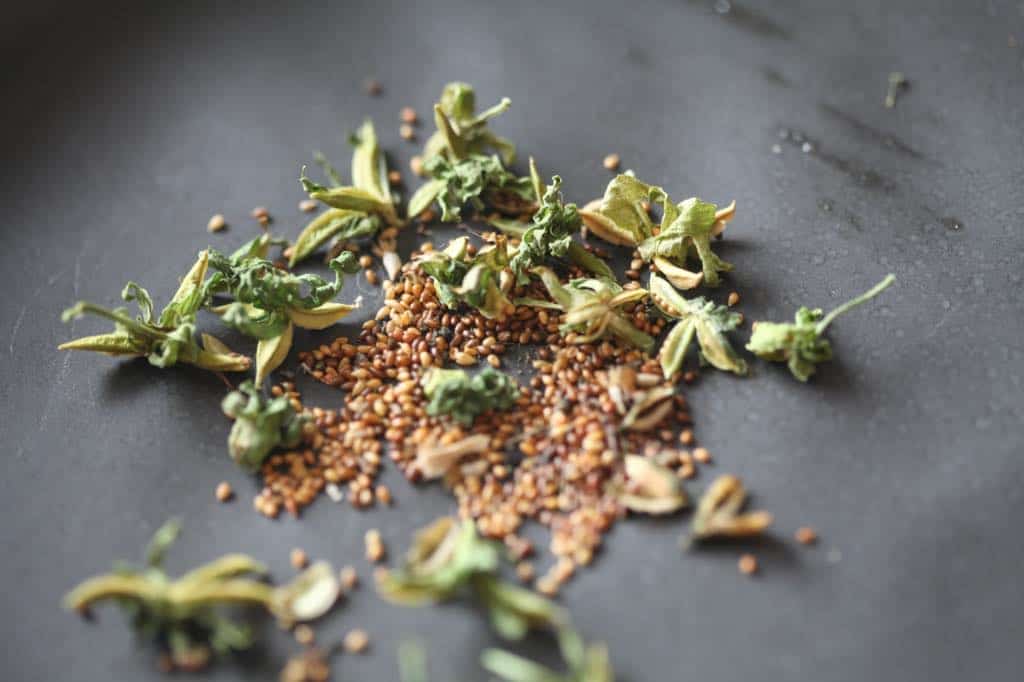
- The viola plant is easy to winter sow, and this technique is a great way to get lots of these flowers started early in the season.
- Violas are adorable edible flowers that are easy to grow from seed. These perennials will flower in the cool weather of late spring and early summer, and the winter sowing method is a great way to start them.
- Viola seeds will need to be sown approximately ¼ inches deep.
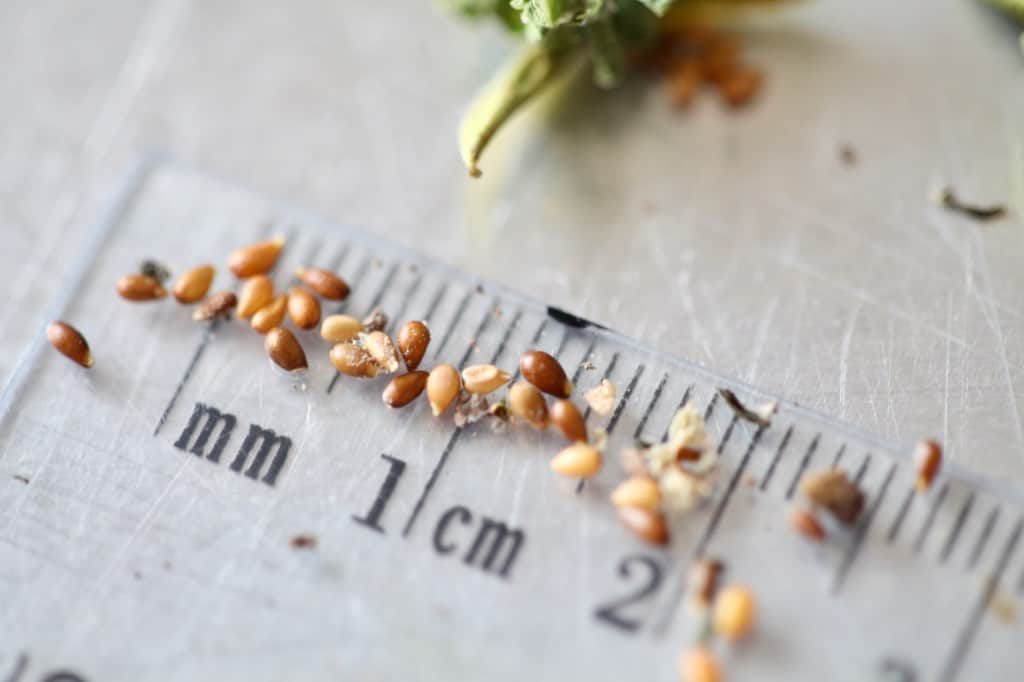
Violas grow in USDA plant hardiness zones: 3-8
Chinese Lanterns (Alkekengi Officinarum)
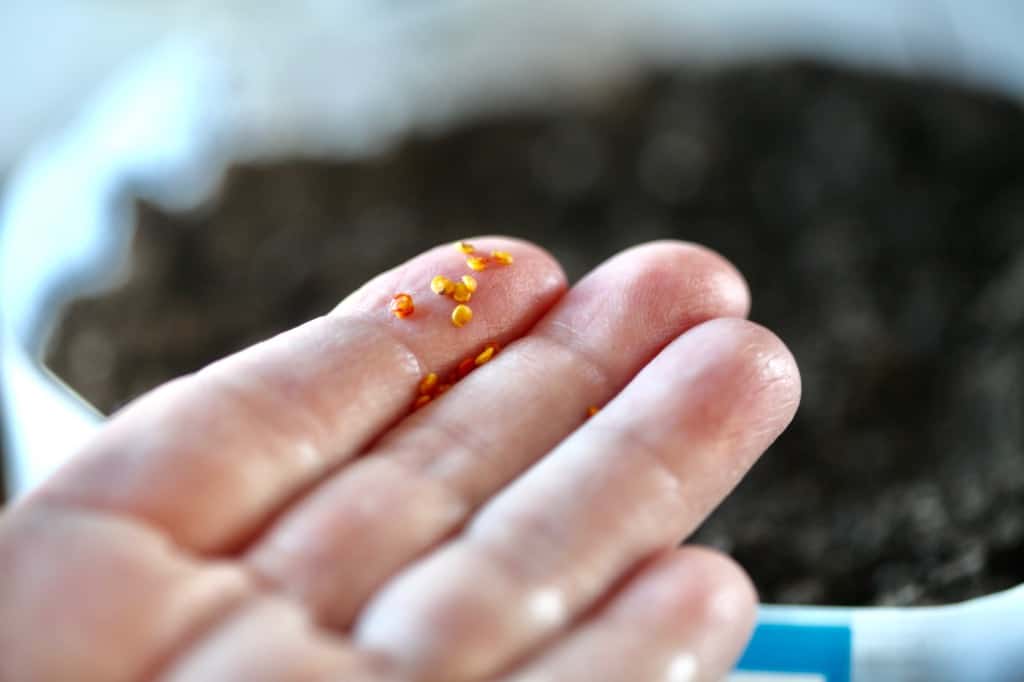
- The Chinese Lantern, with it's bright orange lantern shaped seed pods, is an easy plant to winter sow, and readily self seeds. It's best to grow this plant in an area which is somewhat contained, as these plants tend to spread rather vigorously.
- The Chinese lantern seeds will need to be sown on the surface of the soil, because they require light to germinate.
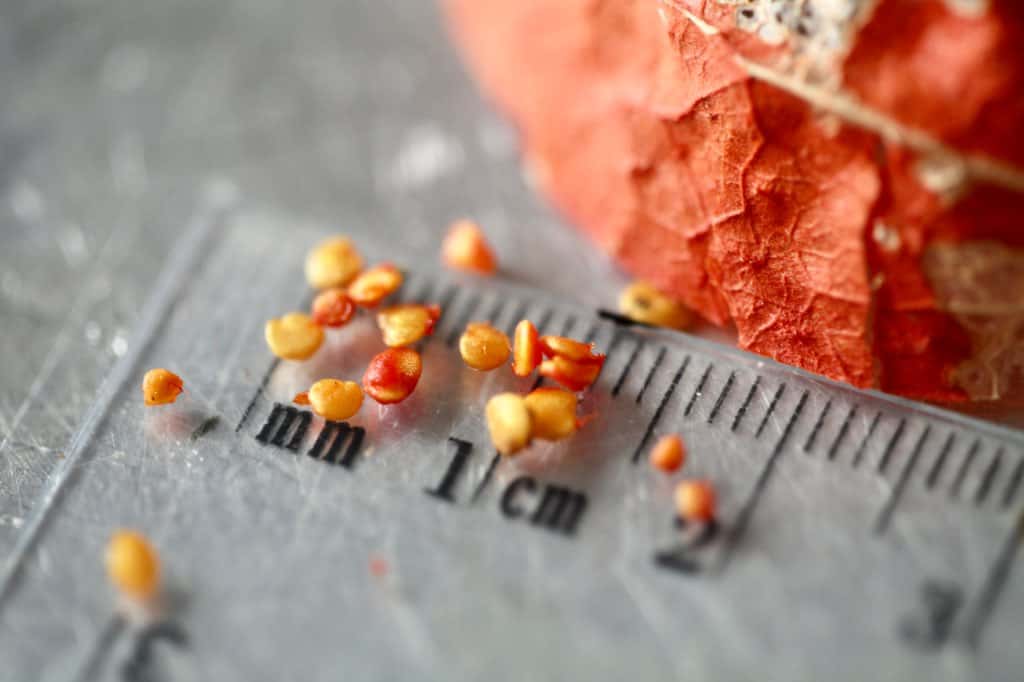
Chinese lanterns grow in USDA plant hardiness zones: 3-9
Columbine (Aquilegia Vulgaris)

- This old fashioned cottage garden plant is a great choice for winter sowing. The unique eagle's claw shaped shaped blooms of this herbaceous perennial will likely appear in the second year after planting.
- Columbine seeds will need to be just lightly covered with the seed starting medium, because they will need some light for germination.
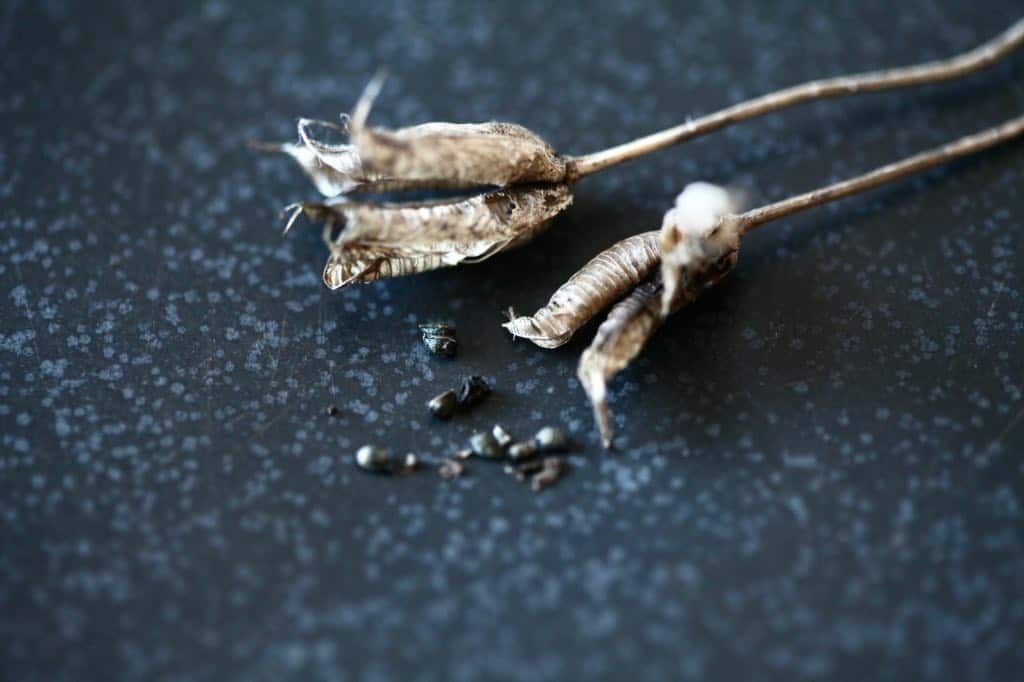
Columbine grows in USDA plant hardiness zones: 3-8
Feverfew (Matricaria)

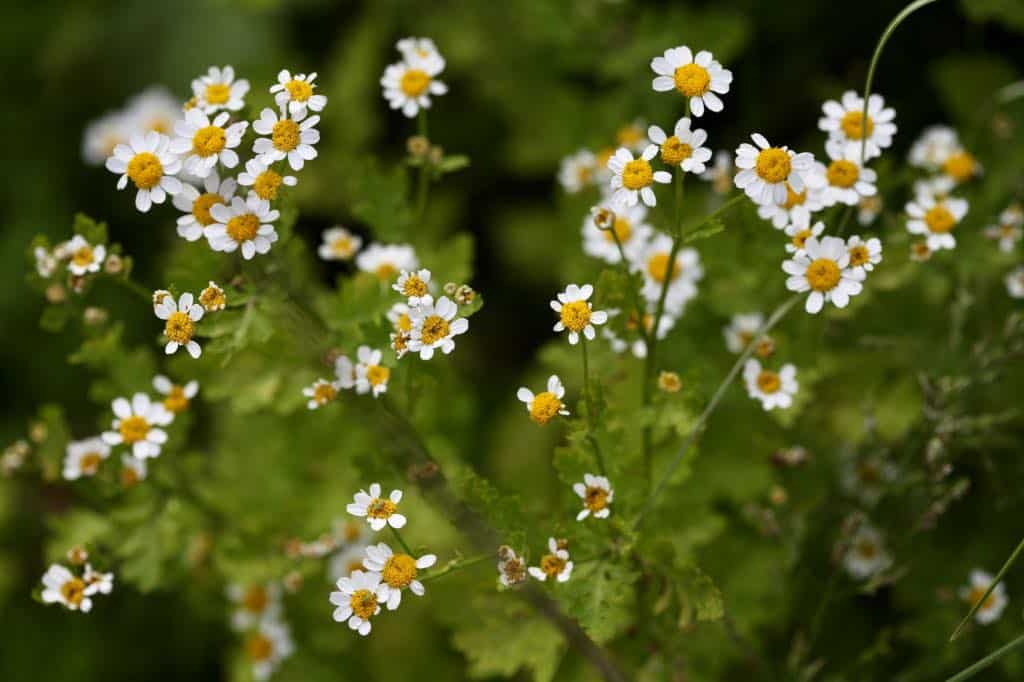
- Feverfew is a small daisy-like perennial flower which will readily reseed in the garden. These perennials are easy to grow, and are a great choice for winter sowing.
- Feverfew seeds will need to be lightly sprinkled on the surface of the soil, because the seeds require light for germination.

Feverfew grows in USDA plant hardiness zones: 5-9
Bergamot (Monarda Fistulosa)

- Bergamot, or bee balm, can be annual or perennial. The perennial varieties are easy to winter sow, and are a great choice for the perennial garden.
- Bergamot seeds will need to be planted approximately ¼ inches deep, and covered lightly with seed starting medium. The seeds will benefit from light for germination.

Bergamot grows in USDA plant hardiness zones: 3-9
Catnip (Nepeta Cataria)

- Catnip is a fabulous perennial for the garden, with many beneficial qualities as a garden plant. A magnet for beneficial insects, it also repels garden pests, making it an ideal companion plant in the flower, vegetable, and herb gardens.
- Catnip seeds will need to be planted approximately ¼ inches deep, and cover lightly with seed starting medium. Seeds will require some light for germination.
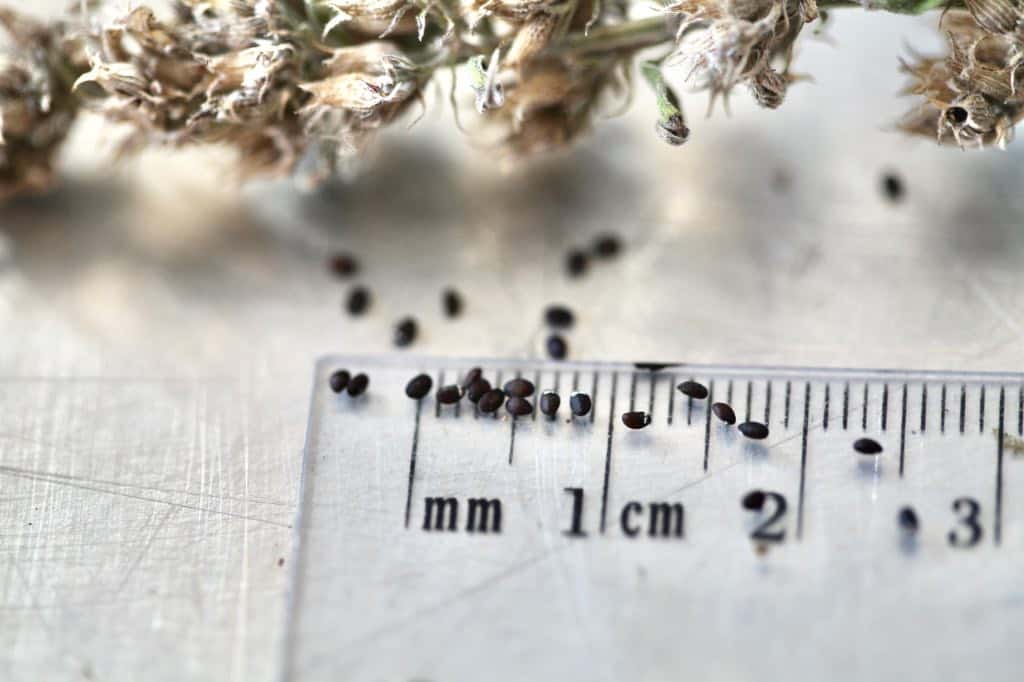
Catnip grows in USDA plant hardiness zones: 3-7
Perennial Bachelor Buttons (Centaurea Montana)

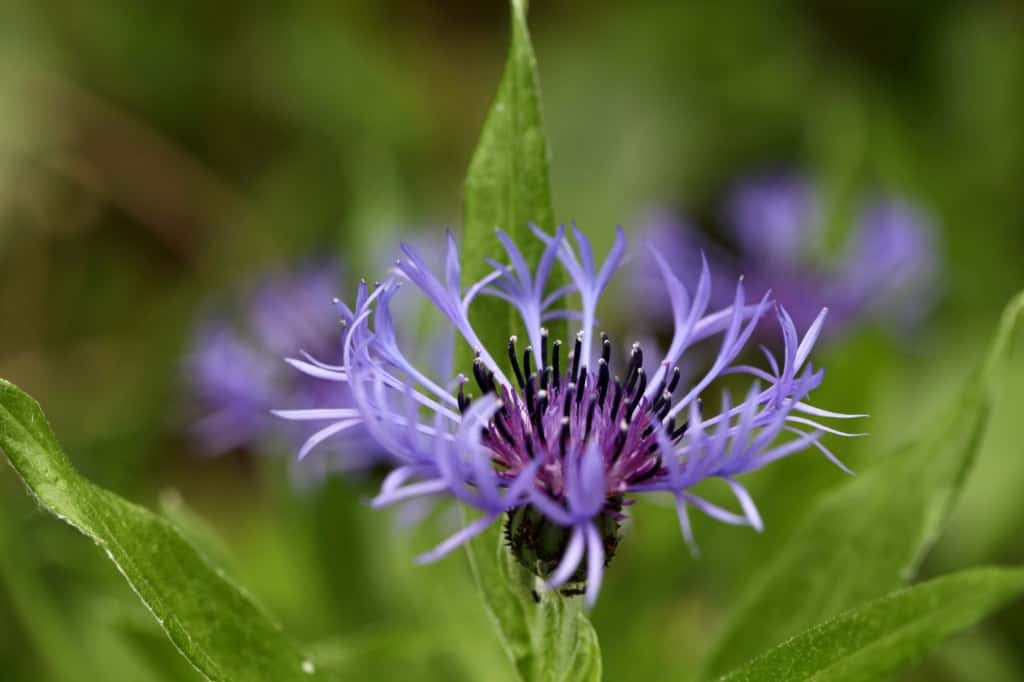
- Centaurea Montana, the perennial bachelor button, has a whimsical flower, and a sweet fragrance. These plants are easy to grow from seed, and will also self seed into the garden.
- Perennial bachelor button seeds will need to be covered with approximately ½ inch of seed starting medium.
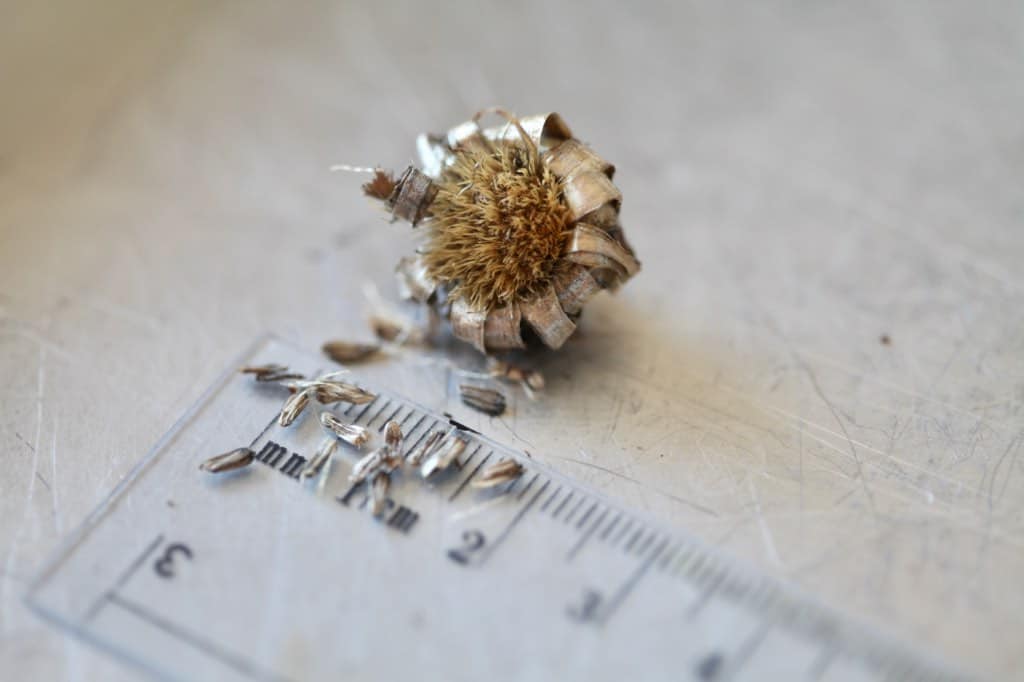
Perennial bachelor buttons grow in USDA plant hardiness zones: 3-8
Queen Of The Prairie (Filipendula Rubra)
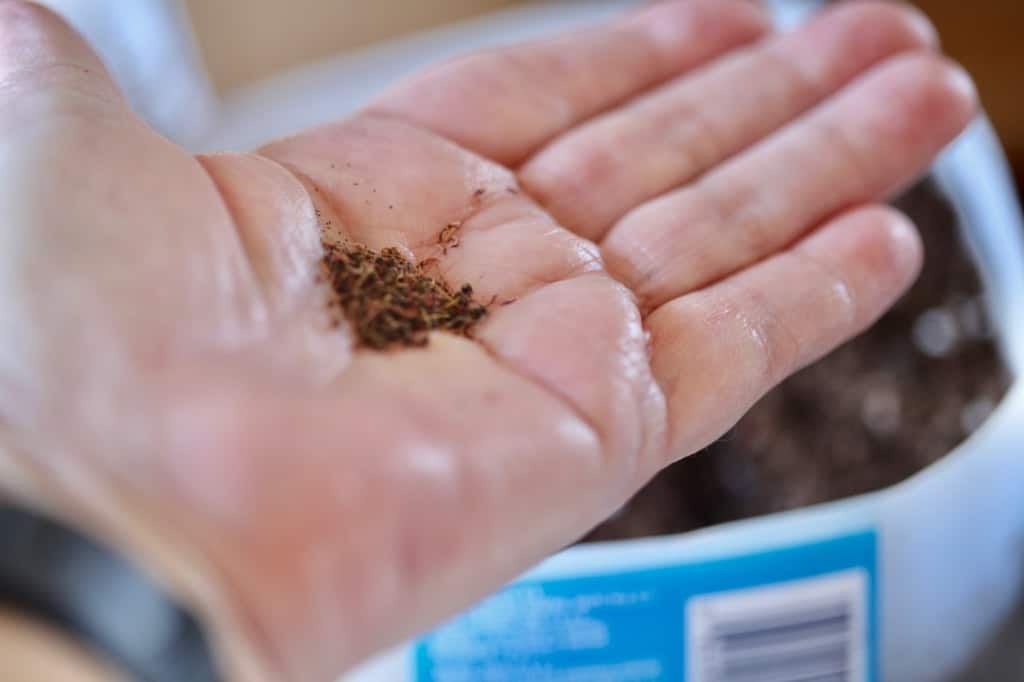
- This flowering herbaceous perennial looks a lot like cotton candy, it's hard to resist reaching out to touch it, just to make sure that it's actually a flower.
- Queen of the Prairie seeds will need to be sprinkled on the surface of the soil, and then lightly covered with seed starting mix.

Queen of the Prairie grows in USDA plant hardiness zones: 3-9
Black-eyed Susan (Rudbeckia Hirta)

- Black-eyed Susans are easy to grow using the winter sowing method.
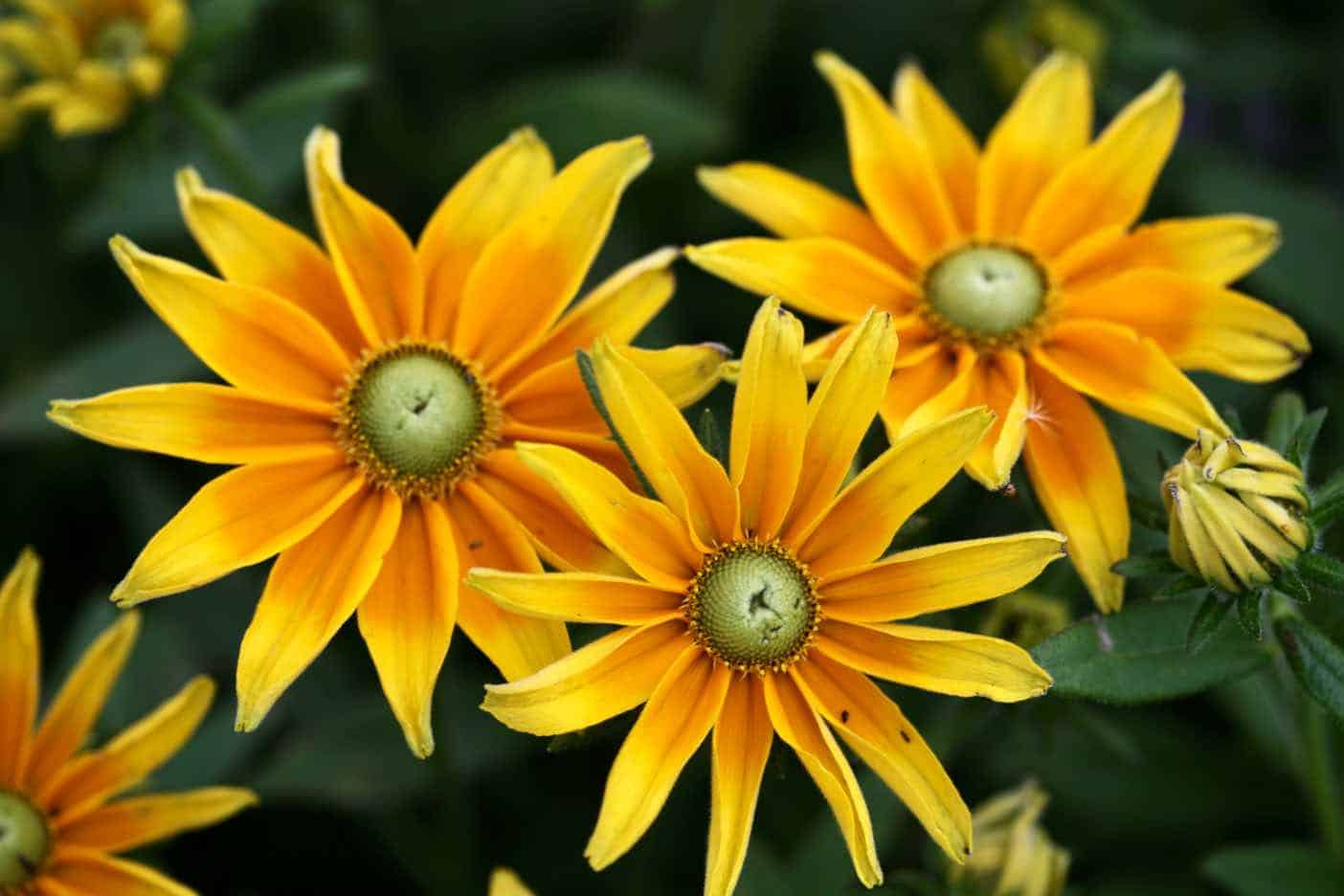
- There are many different cultivars of Black-eyed Susans, and although perennial, in colder growing zones many are actually grown as annuals. These plants do however freely self seed in the garden, therefore once planted, they will likely be around for quite some time.
- Black-eyed Susan seeds will need to be sprinkled lightly on the surface of the soil, because the seeds will require light for germination.

Black-eyed Susan grows in USDA plant hardiness zones: 3-10, depending on cultivar. Some species are best grown as annuals in colder climates. (for example, Prairie Sun will grow as a perennial in zones 9-10, while Rudbeckia triloba will survive in zones 3 -9).
Milkweed (Asclepias)
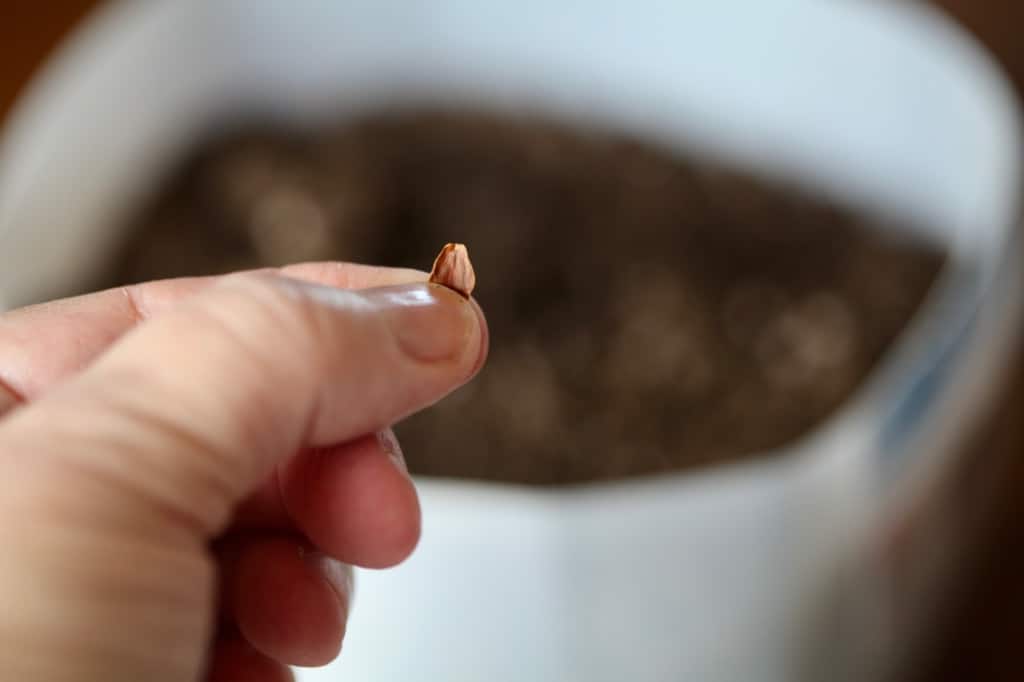
- Depending on your growing zone, different milkweed species will do better in some zones than others. We grow swamp milkweed here in zone 5B, which is a butterfly magnet, and a fabulous food for the Monarch butterflies.
- Plant milkweed seeds by covering them with approximately ½ inch of seed starting medium. Light is not required for germination.
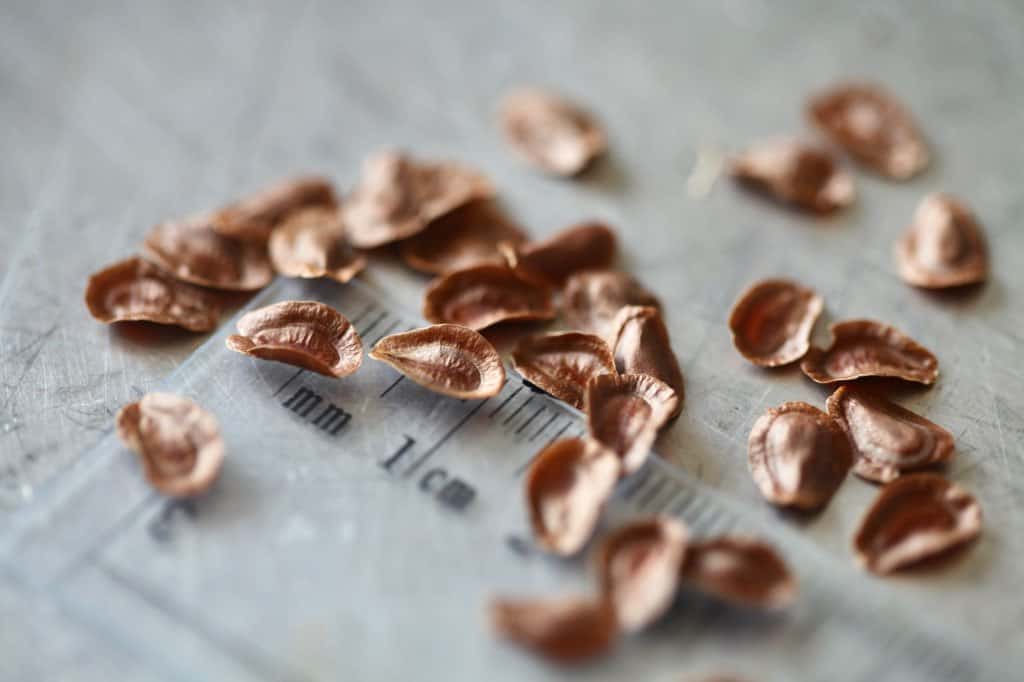
Milkweed grows in USDA plant hardiness zones: 3-11, depending on cultivar. Common milkweed is hardy in zones 3-9, however tropical milkweed is best grown as an annual in cooler climates, and will only survive as a perennial in zones 8-11.
Iris (Iris Germanica)
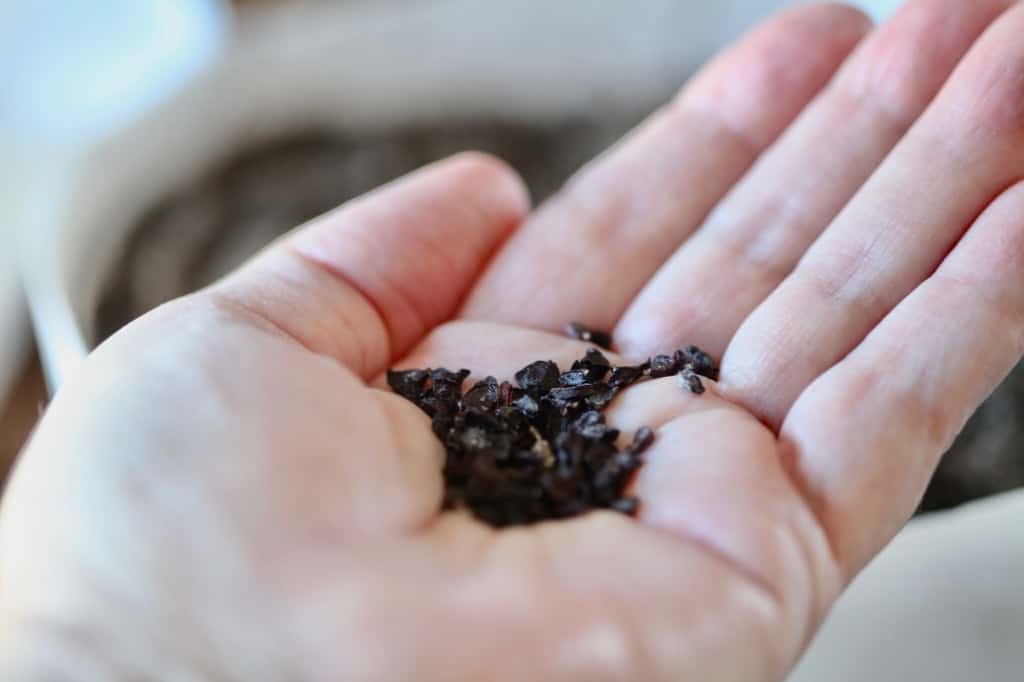
- Iris seeds are easy to winter sow, as they require stratification for germination.
- There are so many different types of iris to grow, and the bearded iris is a favorite. The seedlings of these iris plants will be unique cultivars, and it's fun to see the final results when your seedlings finally bloom.
- Iris seeds will need to be covered, because they require darkness for germination. Plant the seeds approximately ½ to ¾ inches deep, and space a few inches apart.
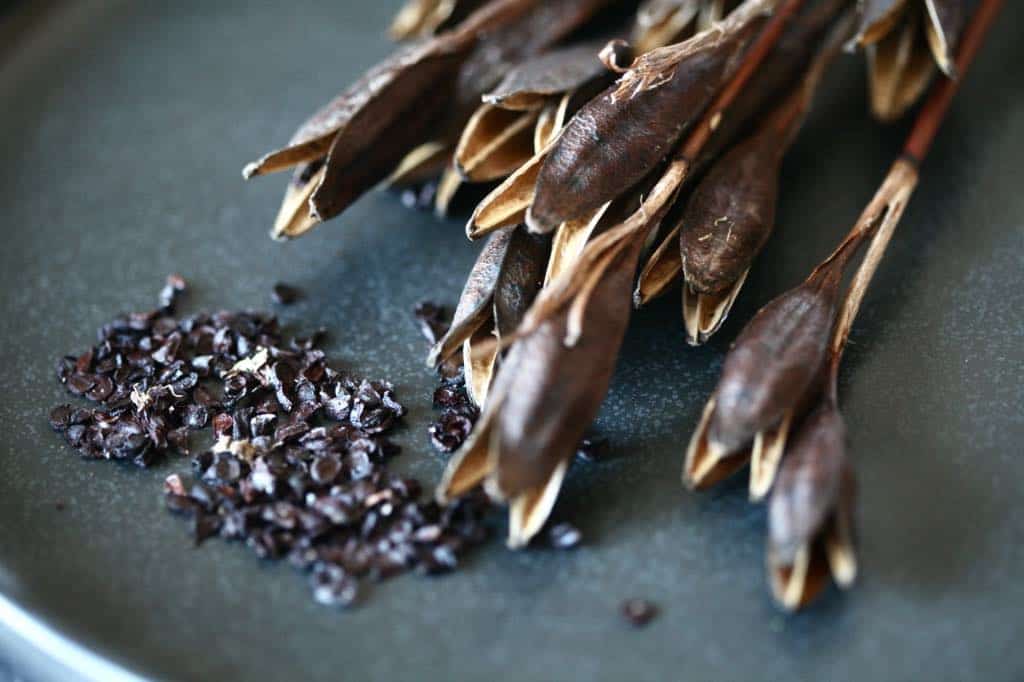
Iris grows in USDA plant hardiness zones: 3-9
Bellflowers (Campanula Latifolia)

- Bellflowers, or Campanula, have bell shaped flowers, in shades of pink, white and purple. They are typical cottage garden plants with an old fashioned and romantic appeal.
- Sprinkle the Bellflower seeds on top of the soil, and lightly cover with seed starting mix or vermiculite. Seeds require light for germination.
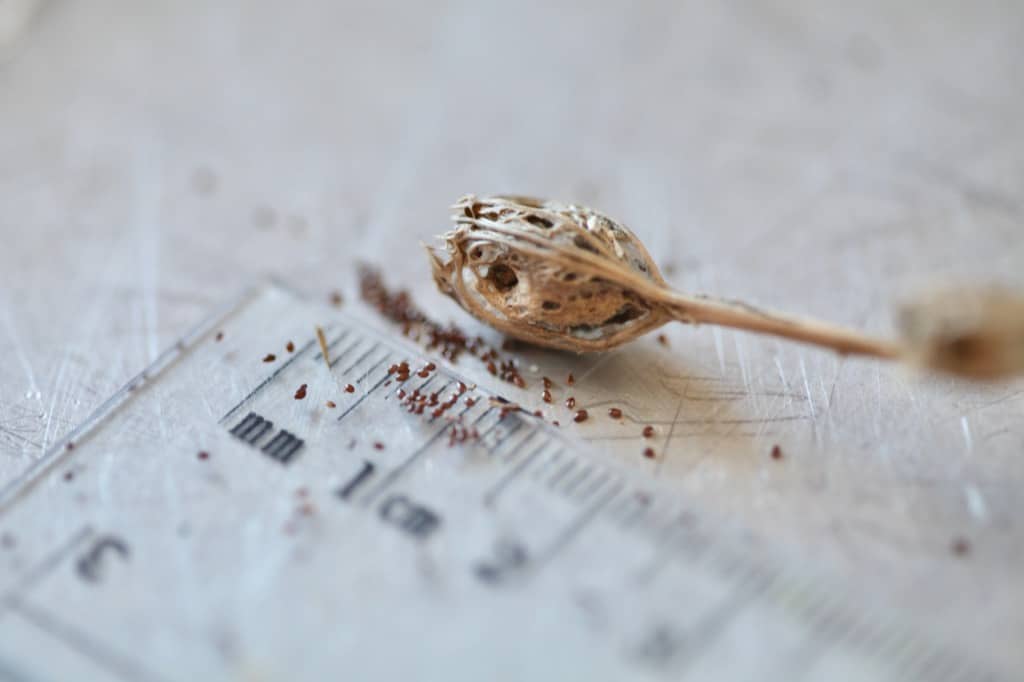
Bellflower or Campanula grows in USDA plant hardiness zones: 3-8
Sea Holly (Eryngium)

- The seeds of Sea Holly are easy to winter sow.
- Sea Holly is an interesting perennial plant that has thistle-like flowers. Depending on the cultivar, the thistles will vary in color and shape, however tend to grow in shades of purple, white, or blue.
- Sea Holly seeds will need to be gently pressed into the soil, and barely covered with seed starting mix or vermiculite. The seeds will require light for germination, so make sure not to plant too deeply.

Sea Holly grows in USDA plant hardiness zones: 4-9
Frequently Asked Questions
How Late Can I Winter Sow Perennial Seeds?
Winter sowing of perennials seeds can occur throughout the month of March, and possibly later in colder growing zones.
As long as the seeds are exposed to a month or longer of cold and freezing temperatures in late winter, many perennial seeds will become stratified, and therefore germination will be improved.
However, it is also important to know the particulars of the specific perennial seeds that you are planting.
Some seeds will require a much longer period of stratification than one month to six weeks. If that is the case, those particular seeds should be sown earlier in the winter season, accordingly.
For seeds requiring an even longer period for stratification, the winter sowing technique may not be the ideal method of propagating those particular seeds. Consider using the fridge for stratification of those special seeds, requiring longer stratification periods.
Can You Sow Perennial Seeds In The Fall?
Absolutely, many perennial seeds can be directly sown into the garden in the fall.
This is not considered winter sowing however, although the seeds will have the same benefit of winter sown seeds.
For winter sown perennials in their mini greenhouses, It's always best to wait until the winter weather finally sets in before putting them outside. This will reduce the risk of a warm spell causing early germination.
Sometimes if winter sown containers are placed out too early, the seeds may actually geminate during a warm spell. Unfortunately, the young seedlings will usually then die when the weather freezes again.
This happens of course in the garden as well. However the garden plants have a better chance of survival, as compared to the tiny delicate seedlings growing above ground in a winter sown container.
What Temperature Is Too Cold For Seeds To Germinate?
Most perennial seeds will germinate when the soil warms up to a temperature of 15°C to 25°C (59°F to 86°F).
That being said, different seeds will have different soil temperatures which will be considered as the ideal temperature for germination, for that particular species.
It's always a good idea to know the specific germination temperatures for the type of seed that you are attempting to grow, although this is not essential.
Most perennial seeds will also require a certain duration of stratification as well.
In fact, some seeds may not germinate even when the soil warms up, without the period of stratification that is required for that particular seed type.
The stratification period is a safety feature developed by the plant, and helps to prevent early germination before winter is finished, therefore protecting the seeds.
The wonderful thing about winter sowing is that each individual seed will germinate at just the right time in any growing zone.
My winter sown seeds often germinate much later in our growing zone of 5b, than those of fellow gardeners in warmer locations, because our soil warms up much later.
I am happy for that later germination however, because I know that the seeds are likely avoiding late spring frosts.
The seeds are kept safe and sound in their winter sown containers, until the weather warms up, and we have just the right temperatures for safe growth.
Conclusion
Winter sowing perennials is a great way to naturally stratify many perennial seeds during the cold winter months. The winter sowing method helps to grow hardy seedlings, which are adapted to the outdoor environment.
It's also such an easy process, because it allows Mother Nature to take care of all of the baby plants outside.
The benefits of winter sowing make it a perfect method for planting hardy perennial seeds. This method is great, even for the beginner gardener.
Make sure to winter sow seeds which are hardy to your growing zone, and to use seeds which can tolerate the climate in your area. You can also winter sow hardy annuals as well.
Once you begin to winter sow your favorite perennials, you may never look back, and choose to use this propagation method every season. I know that this has certainly happened for me!
Have you included perennial seeds in your winter sowing projects? Be sure to leave a comment below to share your experience!
Other Posts You May Like:
PIN IT FOR LATER!



Leave a Reply