

If you love the scent of lilacs, you may also be looking for ways to increase your plantings of this fragrant bush. Growing lilacs from softwood cuttings is an excellent choice for making new lilac plants. Learn how to grow lilacs from cuttings, and spread this aromatic plant throughout your yard.

The Benefits Of Propagating Lilacs
Lilacs are spring flowering highly fragrant shrubs, and a favourite of many gardener and flower enthusiast alike. The blooms on lilac varieties come in many beautiful pastel shades, ranging from purples, pinks and whites.
Often planted as a hedging, lilac bushes not only offer beautiful fragrant flowers, but also provide multi functional value, such as privacy for example.
Hedging is also great for wildlife, and offers protection for birds.
To make a lilac hedge, you will likely need a number of plants. Taking cuttings is just one way to increase the number of lilac plants available to plant in your landscape.
Learn more about how to grow lilacs here.

Different Ways Of Propagating Lilacs
There are a number of different methods of propagation for lilacs.
Lilacs can be grown from seed, from lilac shoots or lilac suckers taken from roots, from air layering, grafting, and from cuttings.

Growing Lilacs From Cuttings
In this post we will be focusing on propagating common lilacs, or syringa vulgaris, from fresh growth cuttings in spring. These new shoots are called softwood cuttings, and will root a bit quicker than hardwood cuttings, and with a greater chance of success.
If you are planning to plant many lilacs for hedging, what better way to grow multiple plants than to grow them from cuttings.
Bear in mind, it will take a few years for these tiny plants to mature, however the cost savings is definitely a benefit.
Propagating lilacs from cuttings is an easy concept. However, the reality of this method's success rate can be diminished, if you attempt the procedure outside of the prime time.
The key to success with lilac cuttings is to perform this type of propagation at just the right time.

Can You Grow A Lilac Bush From Cuttings?
You can definitely grow a lilac bush from cuttings, if you are up to the challenge.
There is a fairly narrow window of opportunity in which to harvest the stem cuttings for best rooting success.
The best time to take lilac bush cuttings is in the springtime. At this time of the year, the new growth at the tips of the branches is still fresh and green.
This is about the time when the blooms are bursting with blossoms, and just opening to reveal their magnificent fragrance.
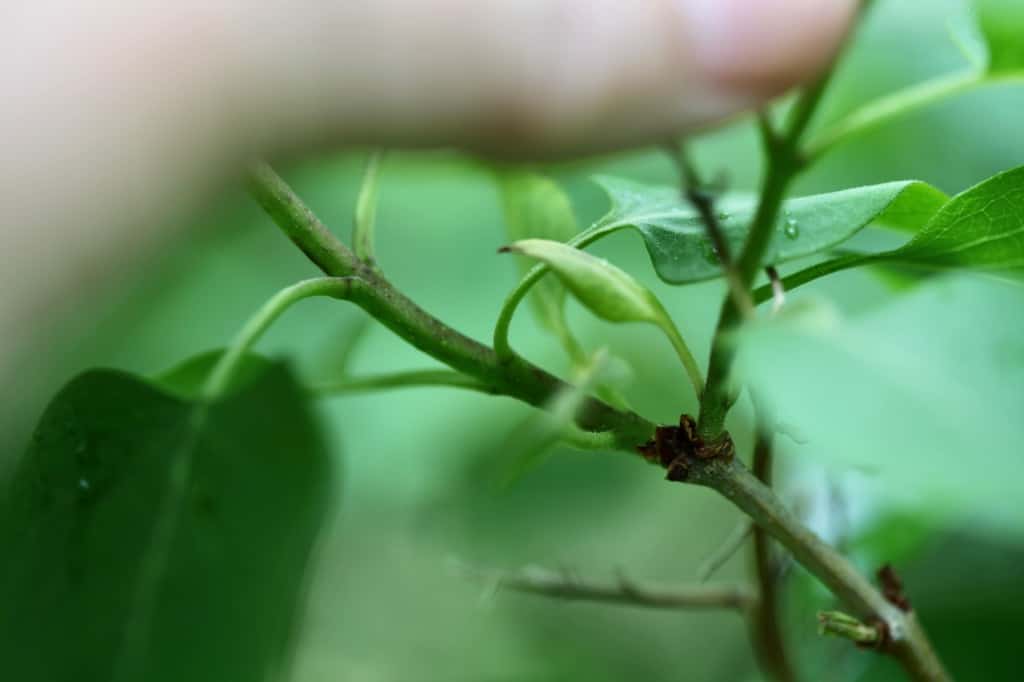
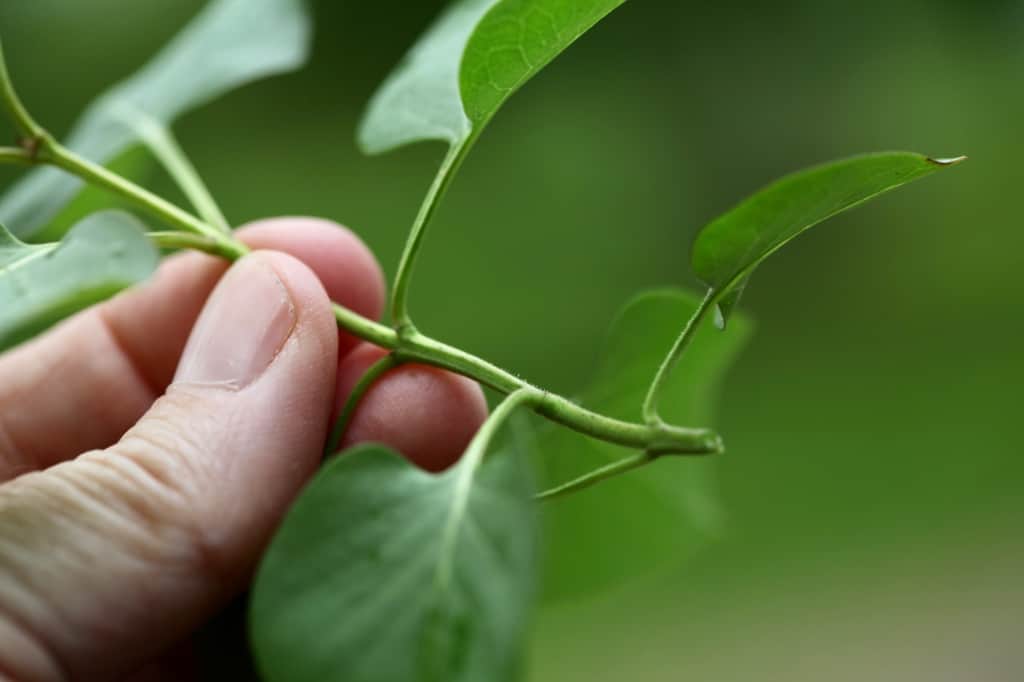
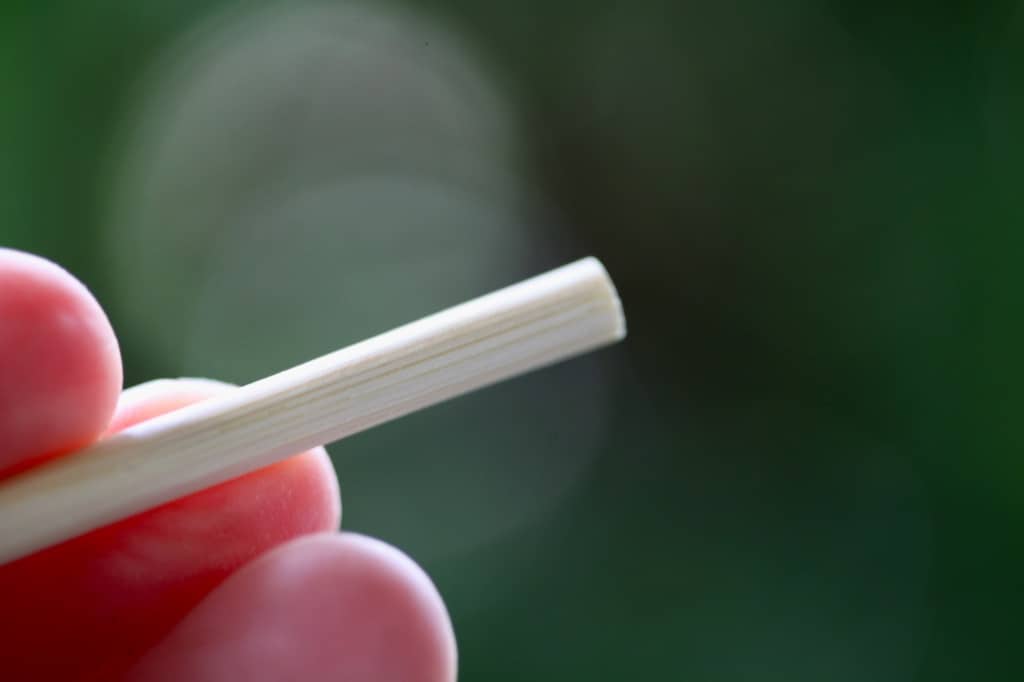
The stems should be able to snap when bent.
If the stems bend readily, they are still too immature. On the other hand, if the stems do not snap when bent, they are too mature.
If you can catch your lilac shrub at the right time, your chances of success at rooting cuttings will be greatly increased. Just make sure to take a few extra stems, as not all of the cuttings are likely to be successful.
Different Types Of Lilac Cuttings
Lilacs can be propagated and rooted from both hardwood or softwood cuttings.
Softwood Lilac Cuttings
- Softwood cuttings have the greatest chance of success.
- The softwood cuttings have a much better chance of success over hardwood cuttings. Even then, success rates are improved if the stems are taken from the plant at the right time.
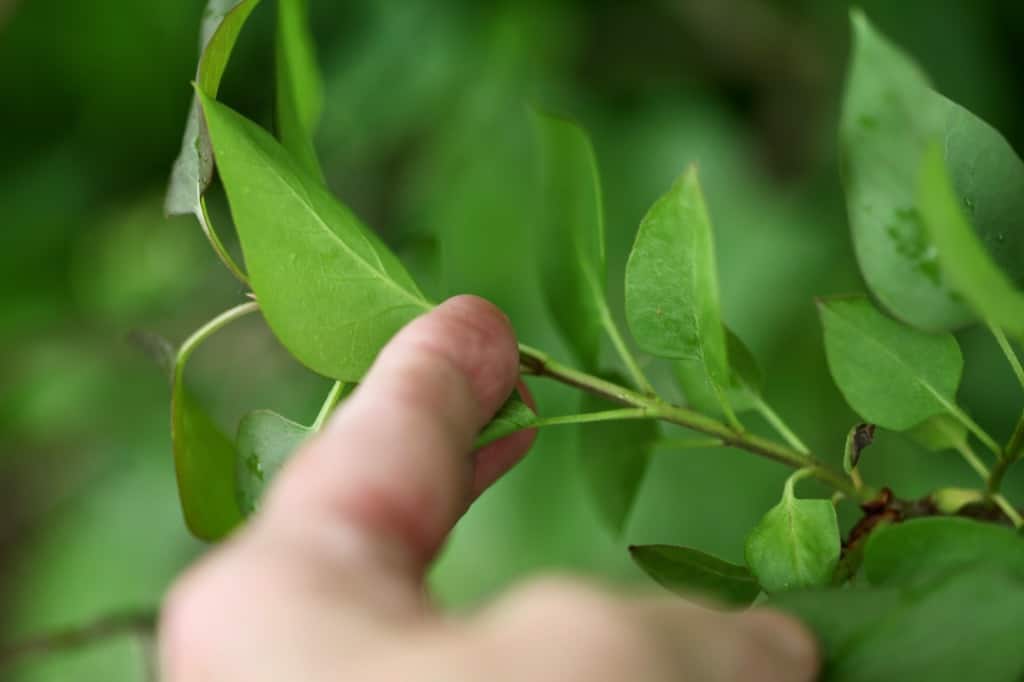
- Prime time for softwood cuttings is in late spring at bloom time, or shortly afterwards, when the stems are still soft and fresh.
- Rooting time for softwood cuttings is approximately two months.
Hardwood Lilac Cuttings
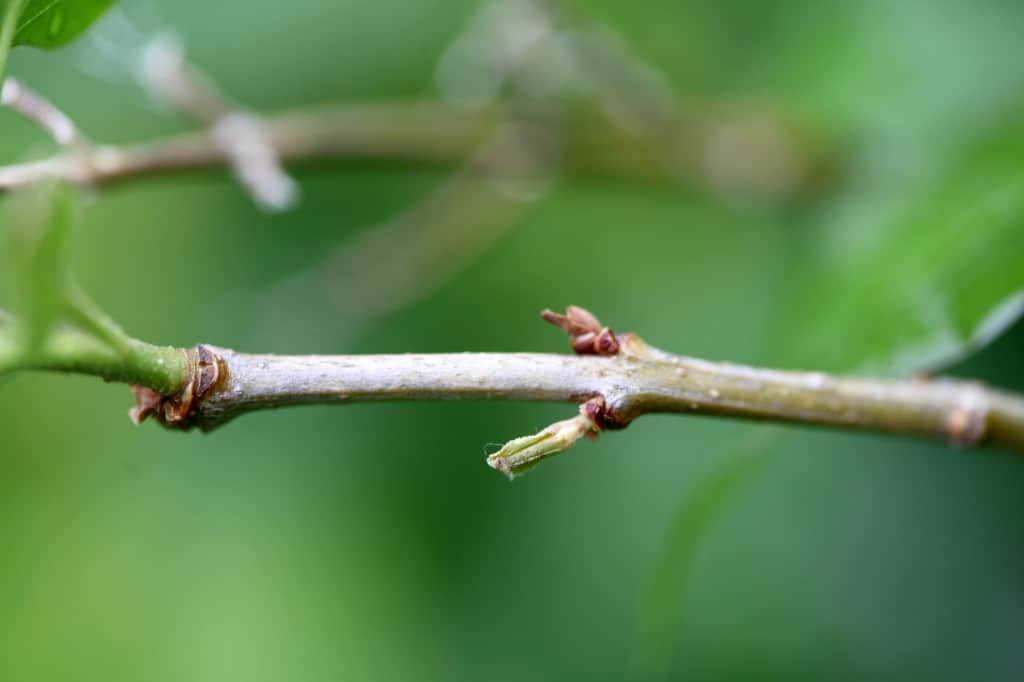
- Hardwood lilac cuttings take longer to root and grow, and are best taken when the plant is still completely dormant.
- These cuttings can be a challenge to root if taken later in the dormant period. This is the time when the leaf and flower buds are getting ready to sprout.
- Take hardwood cuttings when the lilac stems are fully dormant.
- Otherwise the energy that could be used to develop new roots will be going into flower and leaf buds for new growth.
We will be focusing only on softwood cuttings in this post, as we are trying for the greatest rooting success.
How To Grow Lilacs From Cuttings
When To Cut
- Cut fresh lilac growth in spring, around bloom time or shortly after blooming.
- The best stage to cut is when the new green growth easily snaps when bent.
- The best time of the day to take softwood cuttings is earlier in the day, when the plants are well hydrated.
- This is also the time of day when there is less transpiration of the leaves.
How To Cut
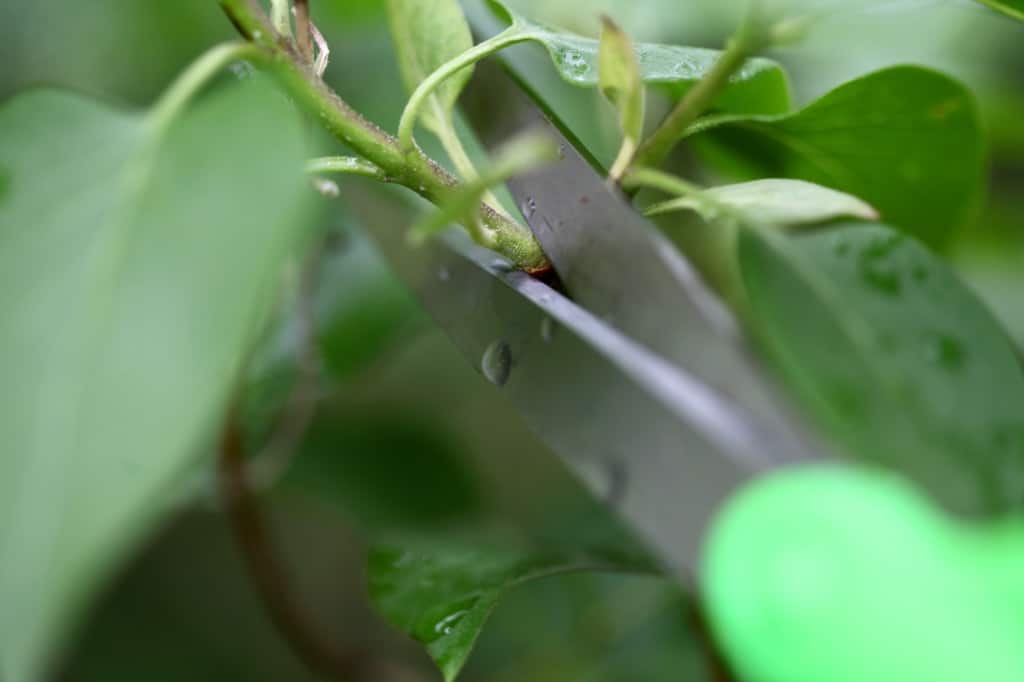
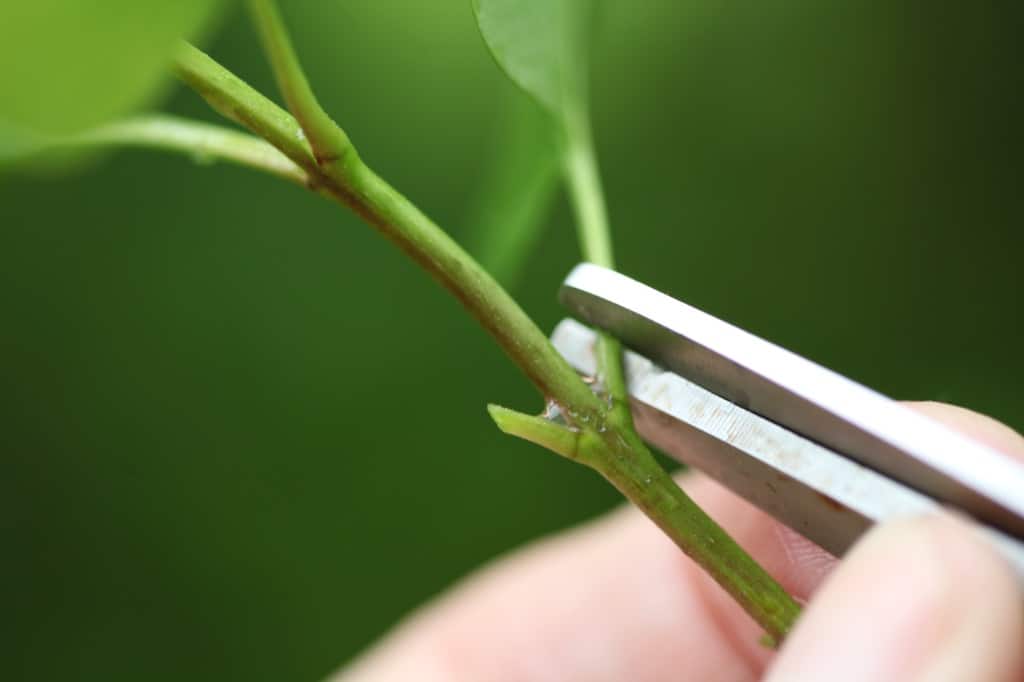
- Prior to taking the cuttings, make sure that your clippers or scissors to be used for cutting stems are clean and sharp.
- Good sanitation is very important in this process.
- Cut from stems without any flowers, as these will take energy away from root production.
- Take a cutting from stems that are green, and located at the tips of branches. You will have the best rooting success with these new green terminal shoots.
- Cut the fresh lilac stems when they are approximately 4" to 6" in length. Choose the stem and make a clean cut with your scissors or shears, removing the cutting from the shrub.
- Remove the lower leaves on each stem, leaving two to three leaves at the top of the plant.
- It is from these lower leaf nodes that the lilac cuttings will develop roots.
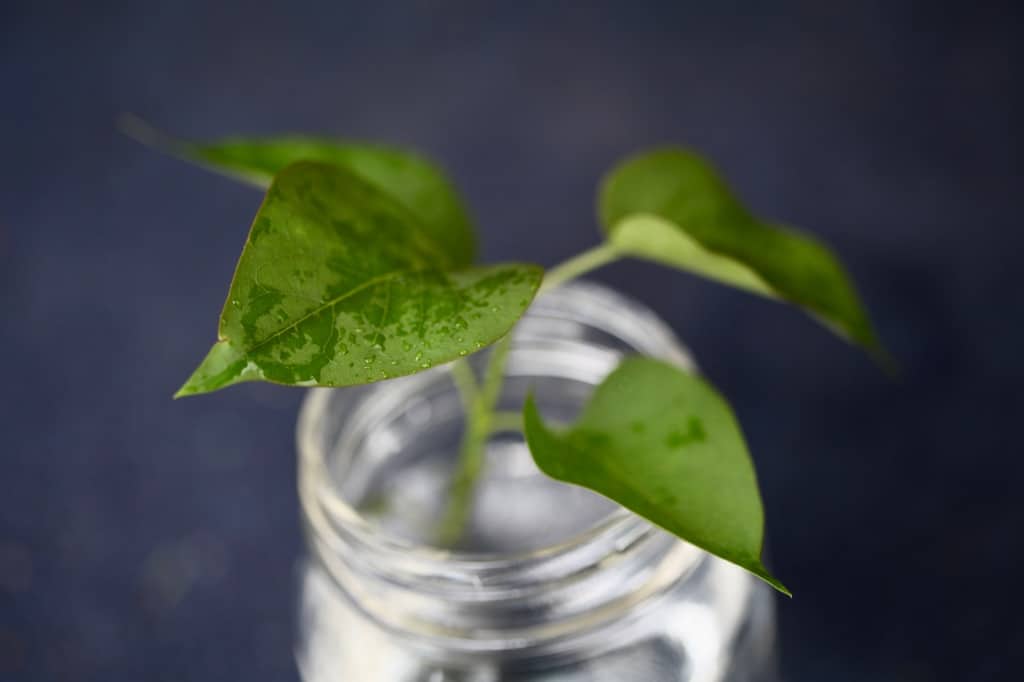
- While taking your cuttings, you can place the stems into a clean glass of water until you are ready to prepare them for planting.
- You can also place them in plastic bags to prevent the leaves from drying out.
Planting The Cuttings
- Plant into containers with good drainage.
- Prepare containers with a good sterile growing medium. You can add sand and perlite to the mix, as these are good drainage options.
- Moisten the mix prior to planting the cuttings.
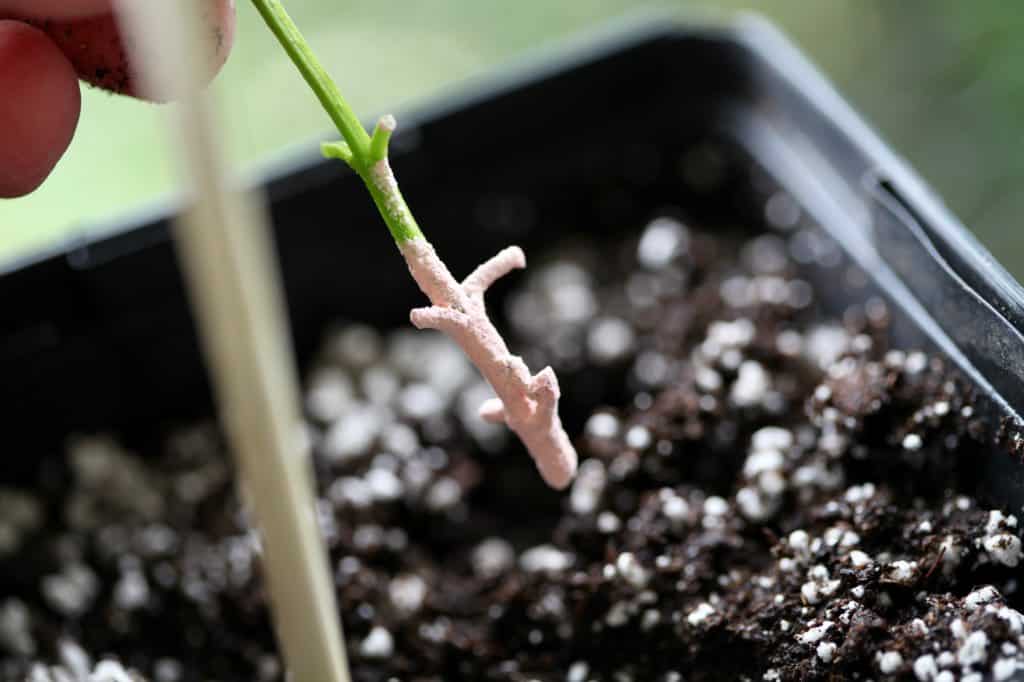
- You can place multiple cuttings in the same container, spacing approximately 3 inches apart. Use a tool such as a dibble to make a small planting hole for each stem.
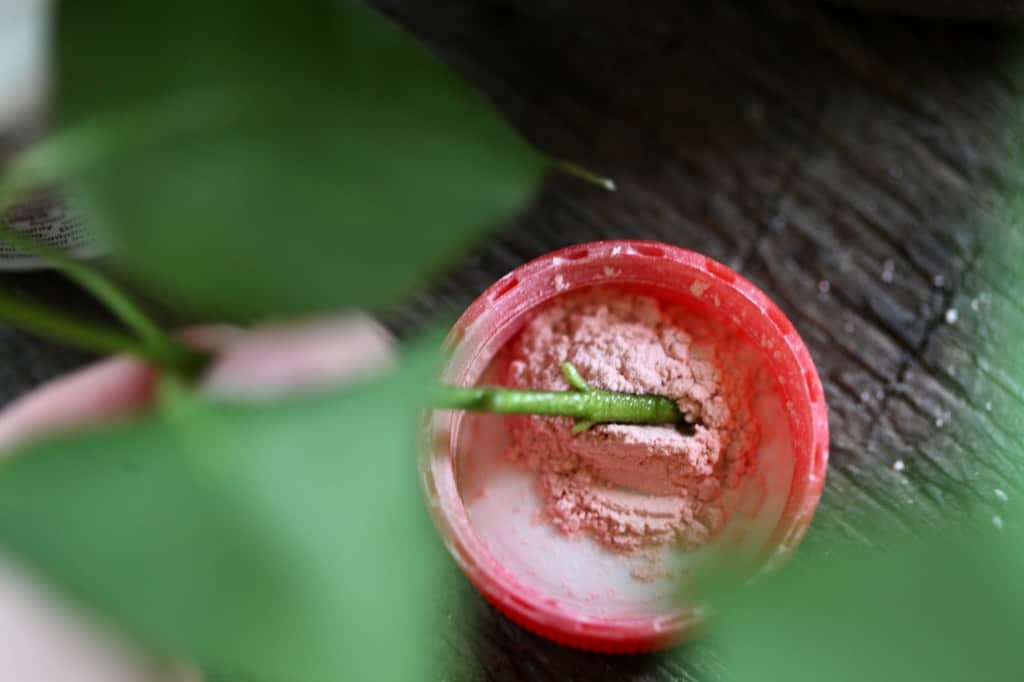
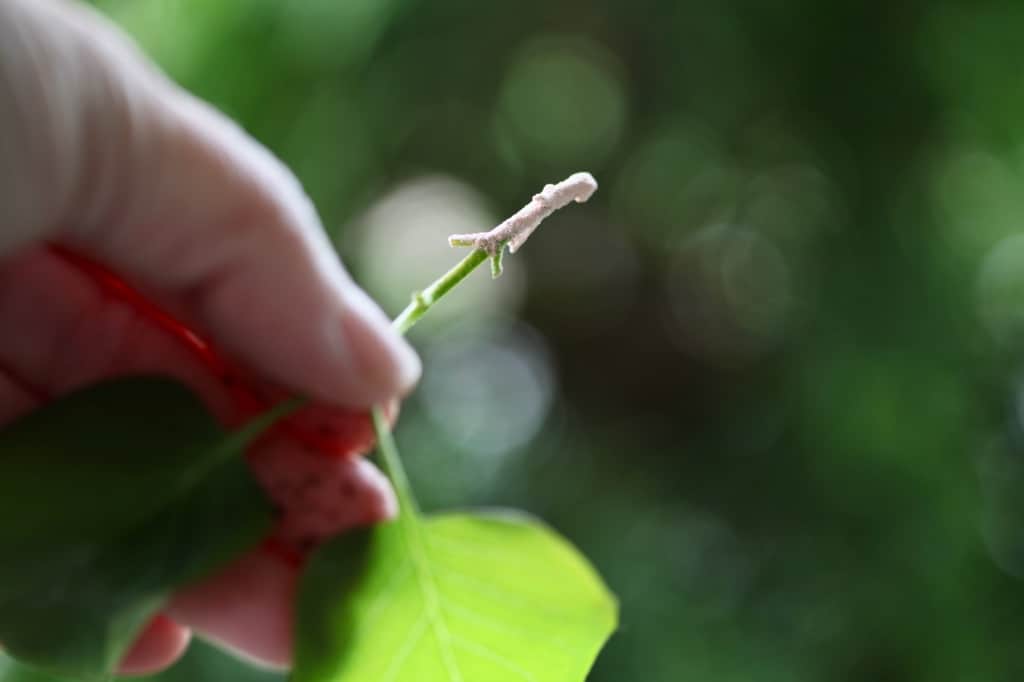
- Dip the cut end of the stems into rooting hormone, allowing the hormone to come into contact with the leaf nodes. This is where the lower leaves were removed, and where the new roots will start to form.
- Insert the stems into the moistened potting mix, making sure that several leaf nodes are under the soil level.
- Firm the soil around the stem at the base of the cutting, to secure the new plant in place.
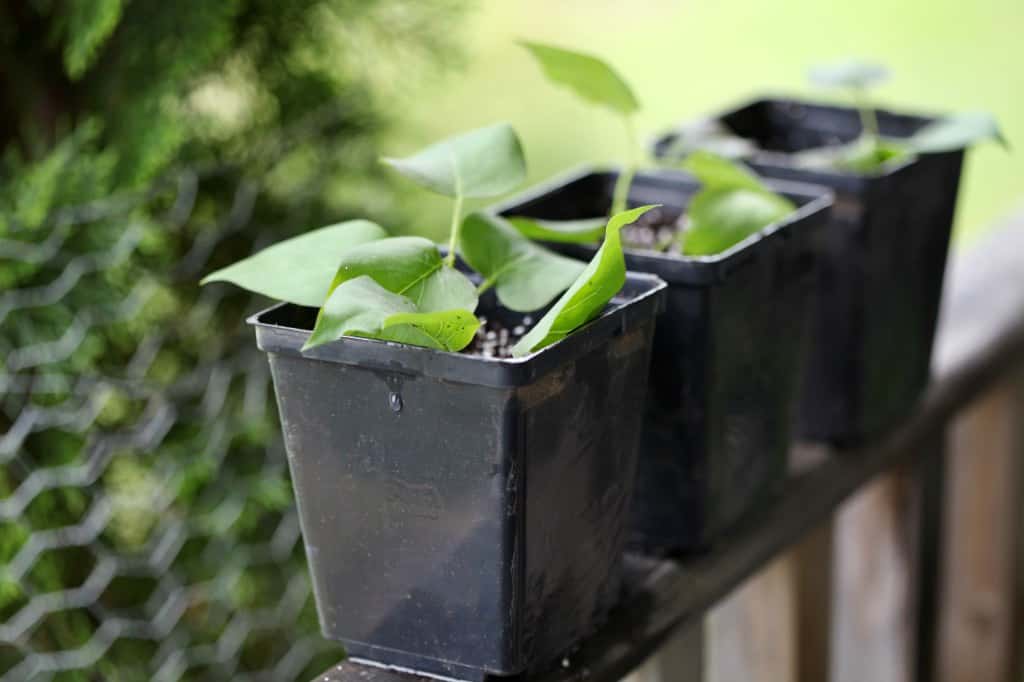
- It is important to keep the soil moist during the development of roots. Do not allow the soil to dry out during this process.
Use Of Humidity Dome
- It's a good idea to cover the softwood cuttings with a humidity dome, as these are fresh cuttings with leaves.
- The humidity dome will help to keep the air around the new cuttings moist. It will provide a high humidity environment, which will help to minimize transpiration of the leaves during the rooting process.
- Use of a humidity dome will increase the success of the rooting process for the cuttings.
- Here is a good article from Michigan State University explaining the importance of moisture management during cutting propagation.
- Humidity domes can be simple, and even made with DIY methods.
- A simple homemade humidity dome can be made using a large plastic pop bottle cut in half. Place the cut bottle over the pot and cuttings, cap side up, with the cap removed for ventilation.
- You will notice the humidity begin to build up, shortly after application of a humidity dome.
- Mist the cuttings with a spray bottle from time to time to maintain a humid environment during the rooting process.
- The important thing is to allow the heat to escape at the top of the dome, so make sure to leave the cap off the bottle.
- An alternate choice to help maintain humidity is to place a plastic bag over the potted cuttings.
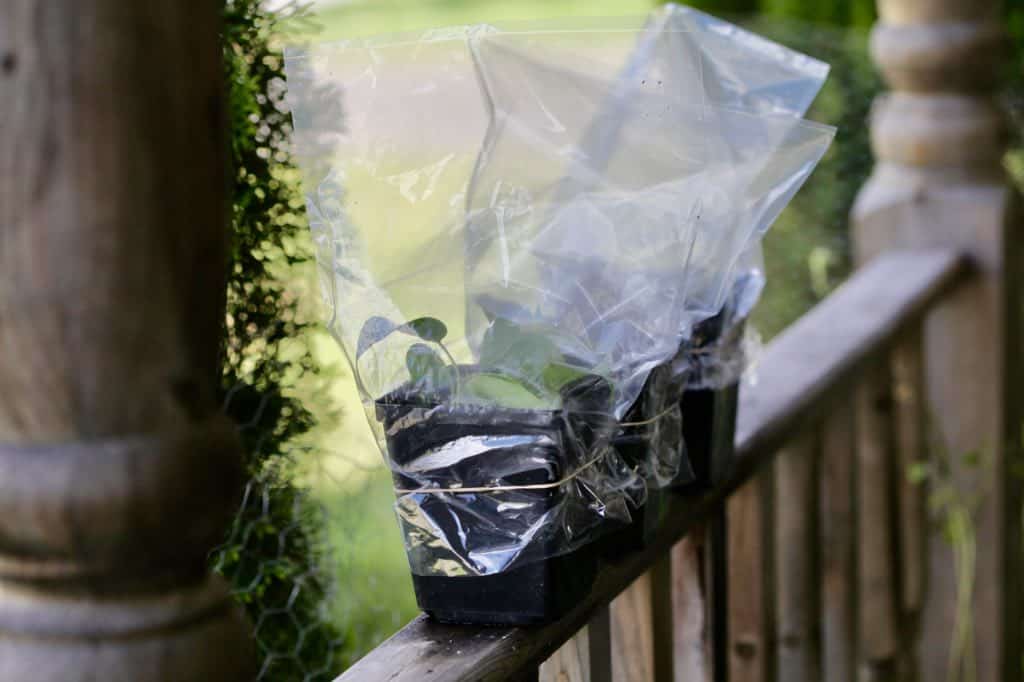
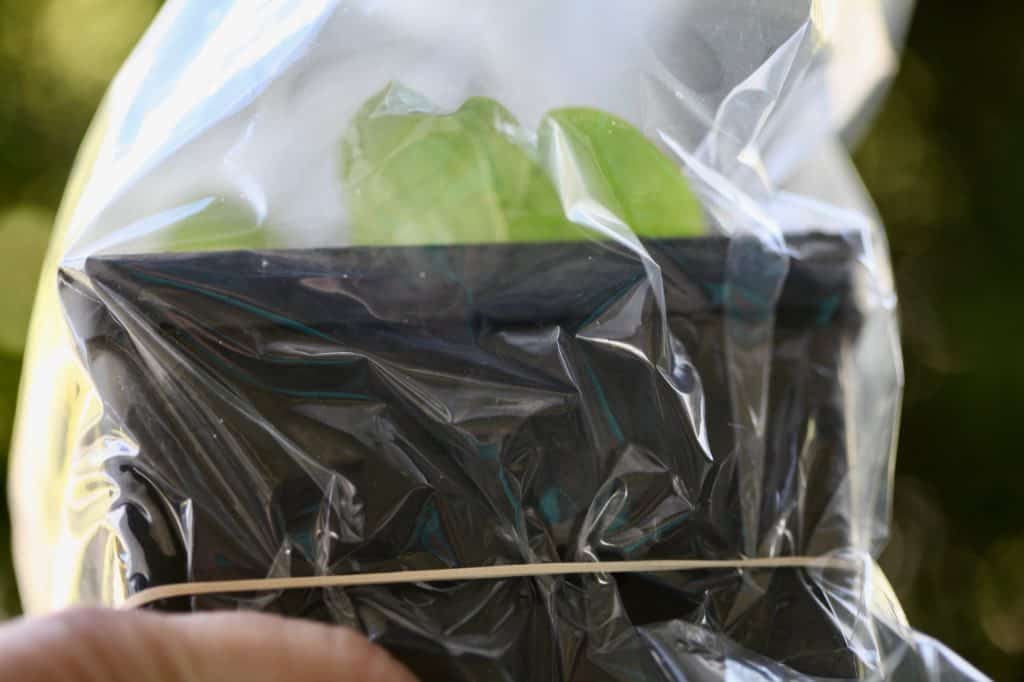
- Secure the bag in place with an elastic band. Cut a small hole in the top of the bag to allow the heat and excess moisture to escape.
- Place the newly planted cuttings in an area that has bright, yet indirect light.
Bottom Heat
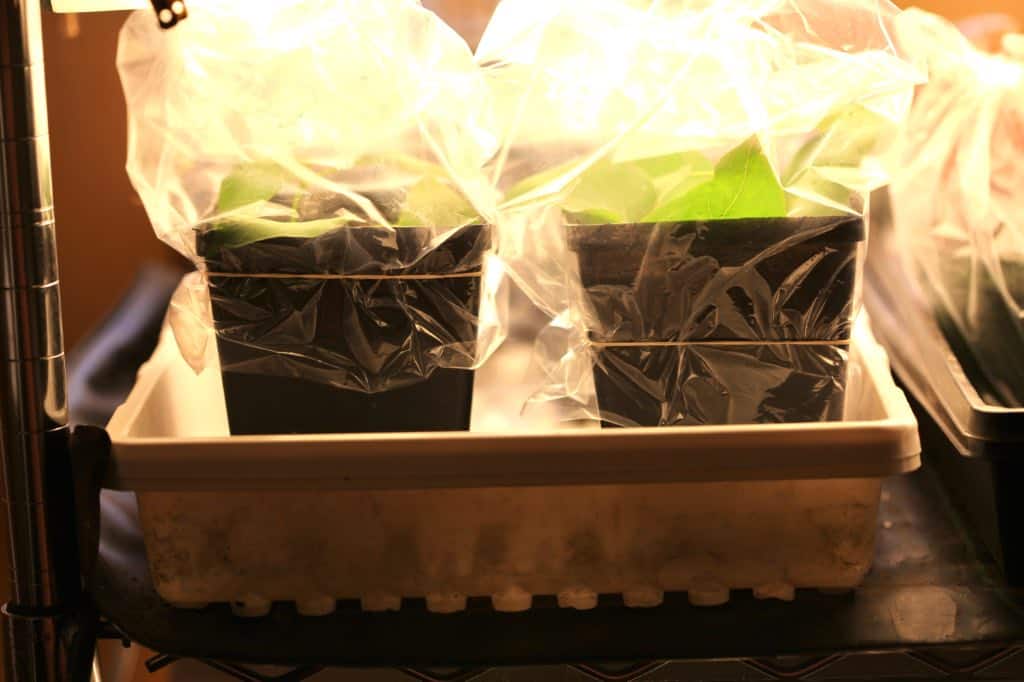
- Provision of bottom heat is beneficial during rooting.
- Bottom heat will help to keep the soil warm, and will also help to increase the humidity in the air around the leaves.
- A heat mat will help to provide a gentle bottom heat for this purpose.
- If you notice the leaves on the cuttings begin to wilt on the heat mat, remove from the mat and mist the leaves with water. Allow them time to recover and cool.
- Try again at another time, but for a shorter duration. Gauge the response of your plants to determine if this heat is beneficial.
How Long Does It Take To Root Lilac Cuttings?
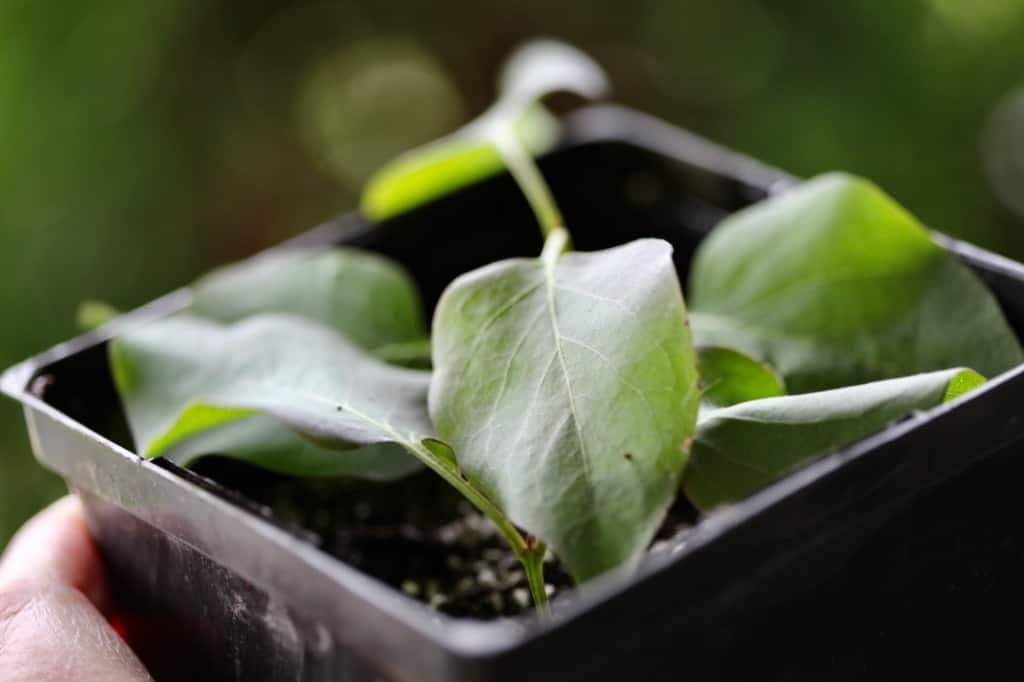
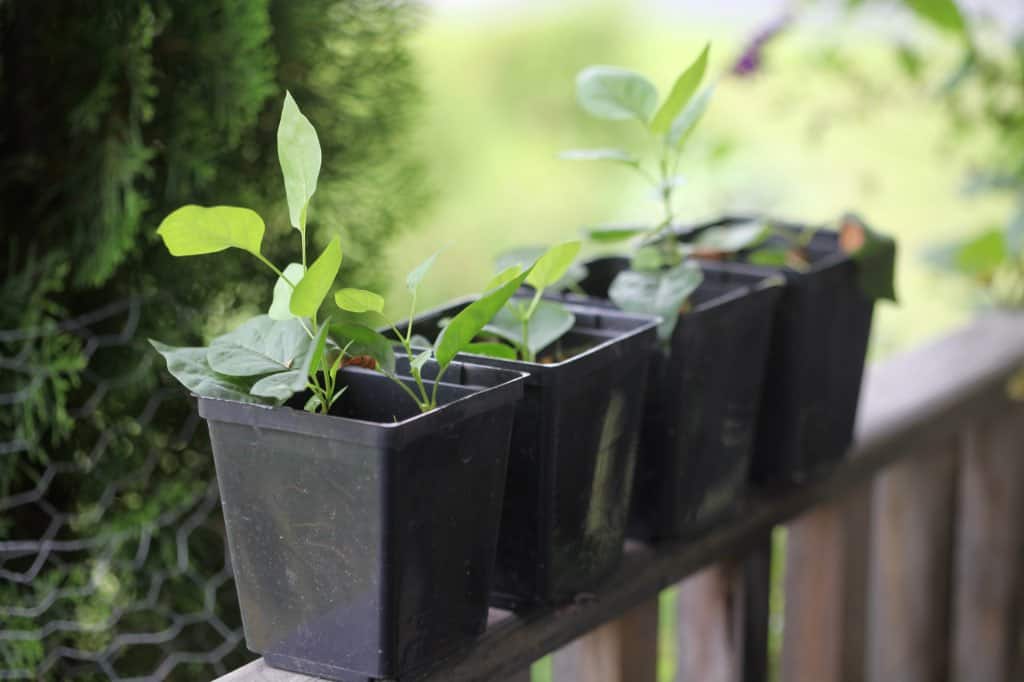
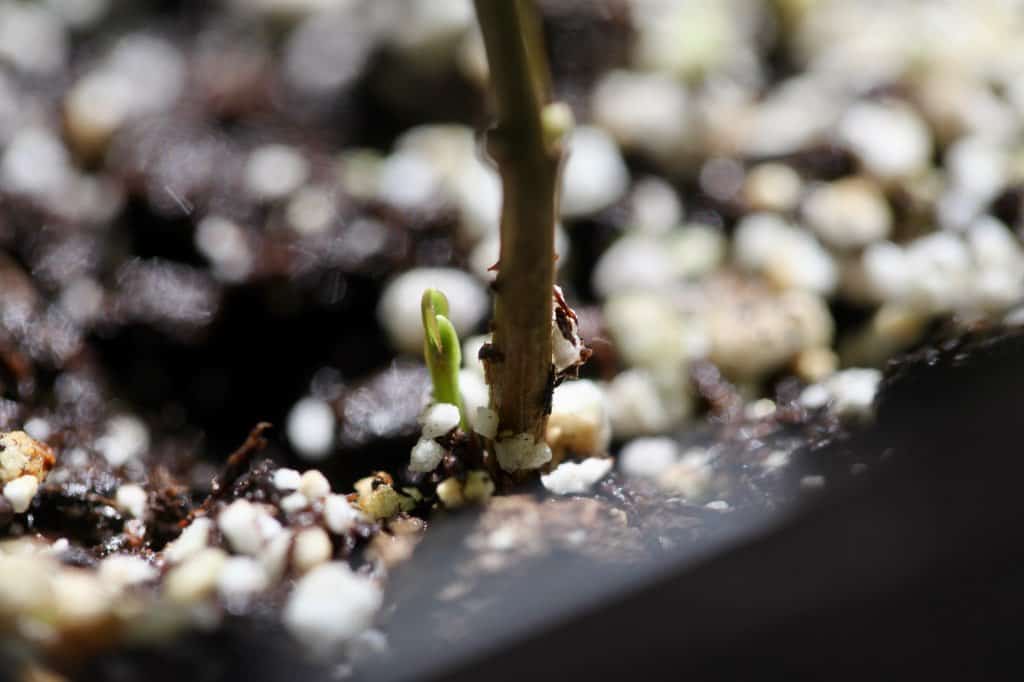
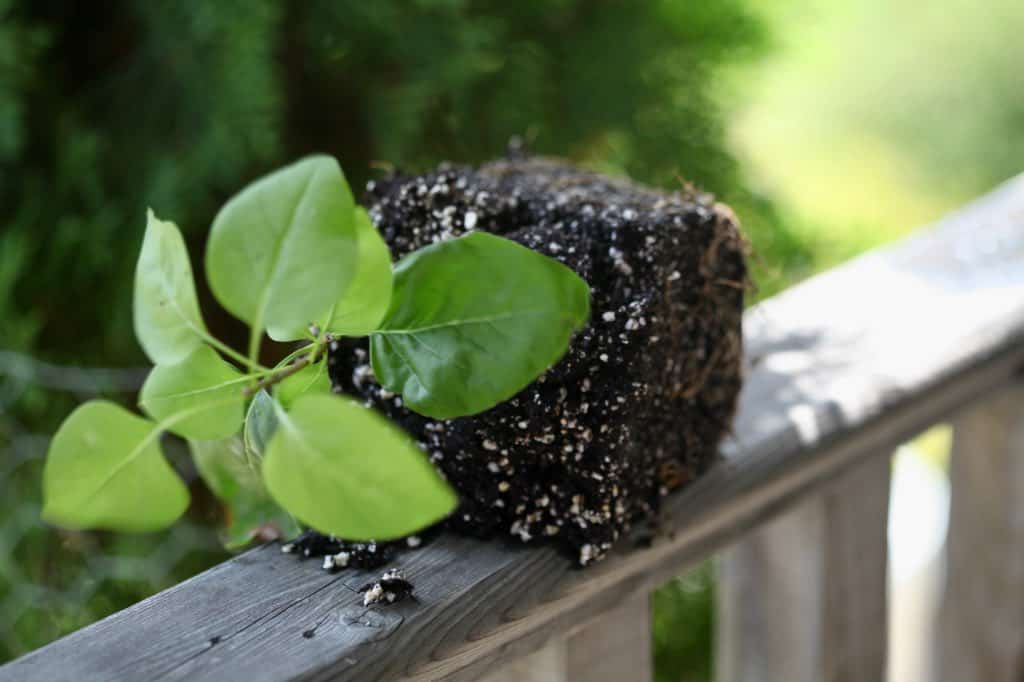
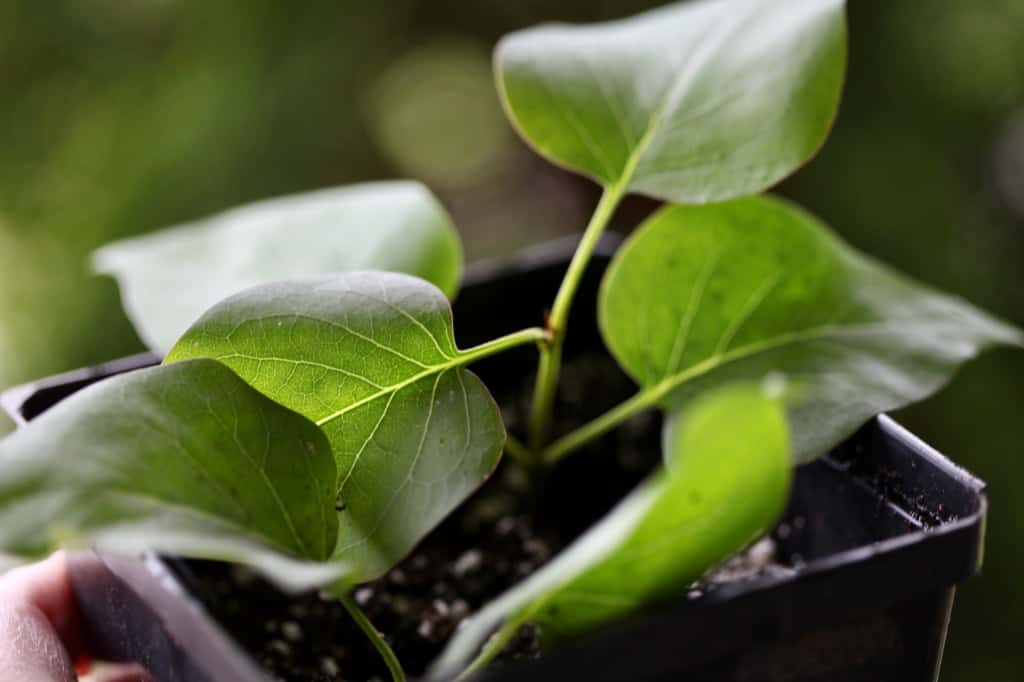
- For the cuttings that root, it will take at least several months for the plants to develop a good root system.
- Once the lilacs are well rooted in the pot, they will be able to be transplanted out into the garden in warmer climates.
- They may require a little more time before transplanting in colder climates.
How To Transplant Lilacs From Cuttings
- When the lilac cuttings have developed a good root system in their pots, they will be able to be planted out into the garden.
- In this case, they should be gradually hardened off prior to planting out.
- When preparing the rooted cuttings for transplanting outside, gradually prepare them for life outside in the garden. Remove the humidity dome, water less frequently, and reduce the temperature exposure.
- Slow acclimatize the plants to the outdoor elements, so that the transplantation process does not cause transplant shock.
- After planting, it will take approximately two or three years or longer, for the lilac to bloom.
- It is well worth the wait.

Transplanting In Colder Climates
- If growing in colder climates, it may be best to wait another season before planting the small plants outside.
- In our colder climate of zone 5b, often plantings do better if planted out in spring versus fall.
- Lilac cuttings taken in June will not have developed roots until the end of July. This may not be enough time to get the plants well established in the garden before the winter.
- The risks of this situation is that the winter frosts can heave newly planted plants and trees if they do not have time to really take hold before the end of the growing season.
- In the case of colder climates, consider overwintering the new plants in a cool room or garage until they can be planted out next spring.
- Plant out into individual pots to give more growing space, while growing them on inside.
- If planted out the following spring, they will have the whole season to develop a strong root system and become well established in the garden.

Can You Root Lilac Cuttings In Water?
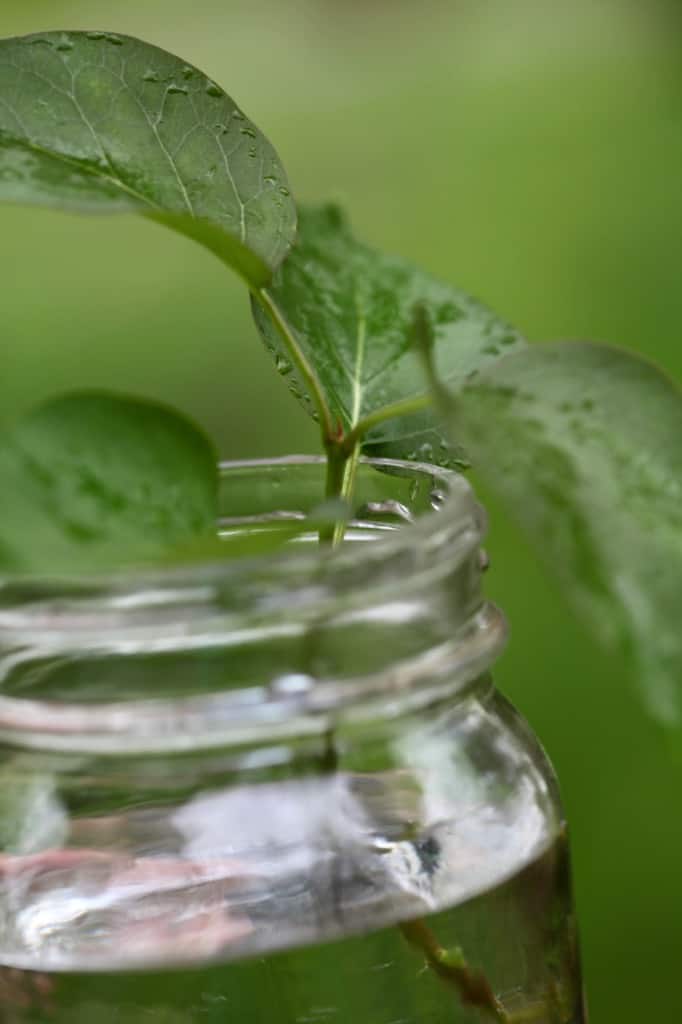
Lilacs will readily root in water if the cuttings are softwood, and are taken at the right time.
Roots formed in water however may not be fully adapted to absorbing the nutrients from the soil.
In this case it's important to take care when planting the water rooted cuttings. Make sure that the soil does not dry out until the plants become well rooted and established after transplanting.
Can You Plant Lilac Cuttings Directly In The Ground?
For best results, plant and grow lilacs from cuttings in a more controlled environment, such as in a pot with a humidity dome.
The cuttings require special care during the rooting process, and planting them directly into the ground will not likely meet these needs.
Conclusion
You can buy your favourite lilac bushes from your local garden centers, or you can try growing your own from cuttings.
Growing from cuttings will take a bit longer, however you can increase your number of plantings in a cost effective manner if grown this way.
In fact, taking lilac cuttings is an easy way to perpetuate any lilac bush. The cuttings will be a clone of the mother plant.

Propagating lilacs by taking cuttings can be challenging in one regard, however also very exciting if you have rooting success.
Increase your chances of success by taking your lilac cuttings at just the right time, and also by planting a few extra stems.
Rooted lilac cuttings can be planted as single specimens, or planted in a hedge for a more dramatic visual impact.
Lilacs can grow very tall, and make a great privacy screen if planted as a hedge. A lilac hedge can grow quite large, especially when the lilacs become mature plants.
Learning how to successfully grow lilacs from cuttings is important gardening knowledge for any lilac lover.
Armed with this knowledge, you will be able to take pieces from some of your most favourite and cherished plants, and grow them on.

Have you ever tried to grow lilacs from cuttings? Be sure to leave a comment below to share your experience!
Other Posts You May Like:


Other Lilac Posts You May Like:
See the Web Story on Growing Lilacs From Cuttings!
Pin It For Later!





Leave a Reply