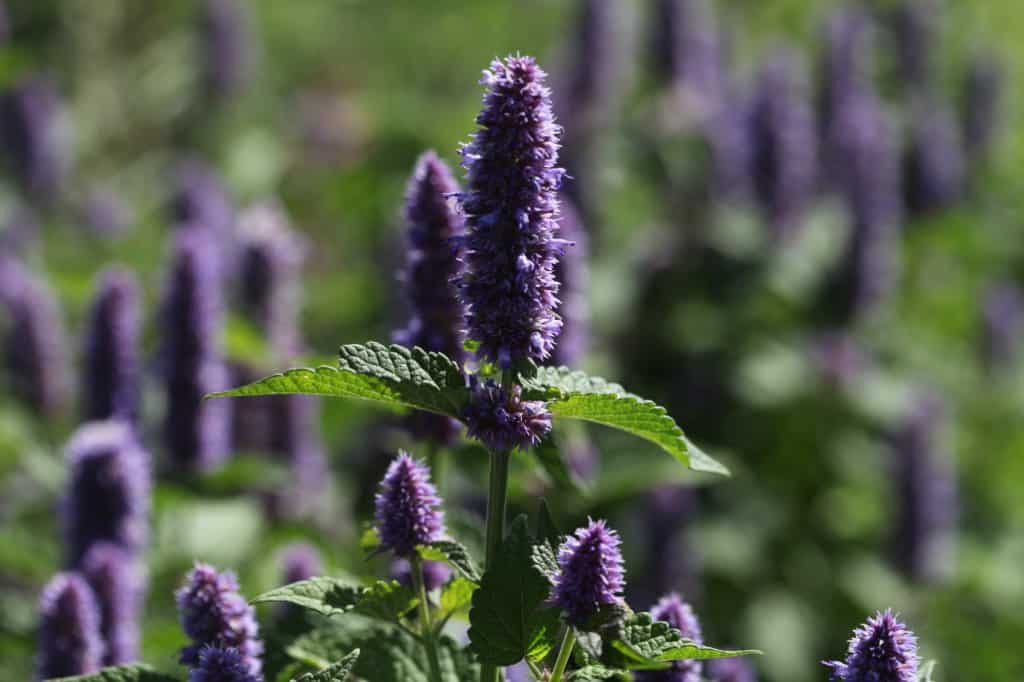
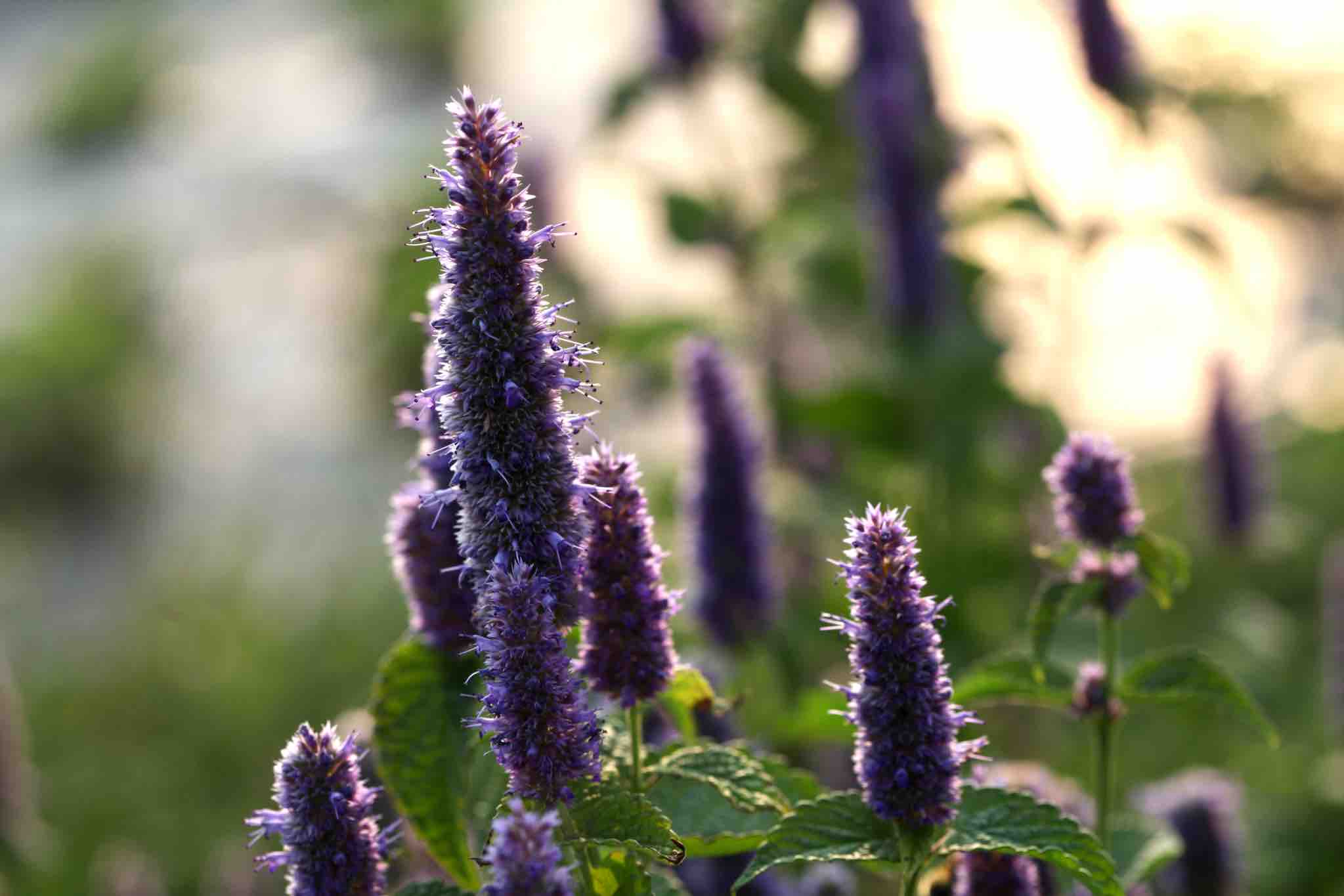
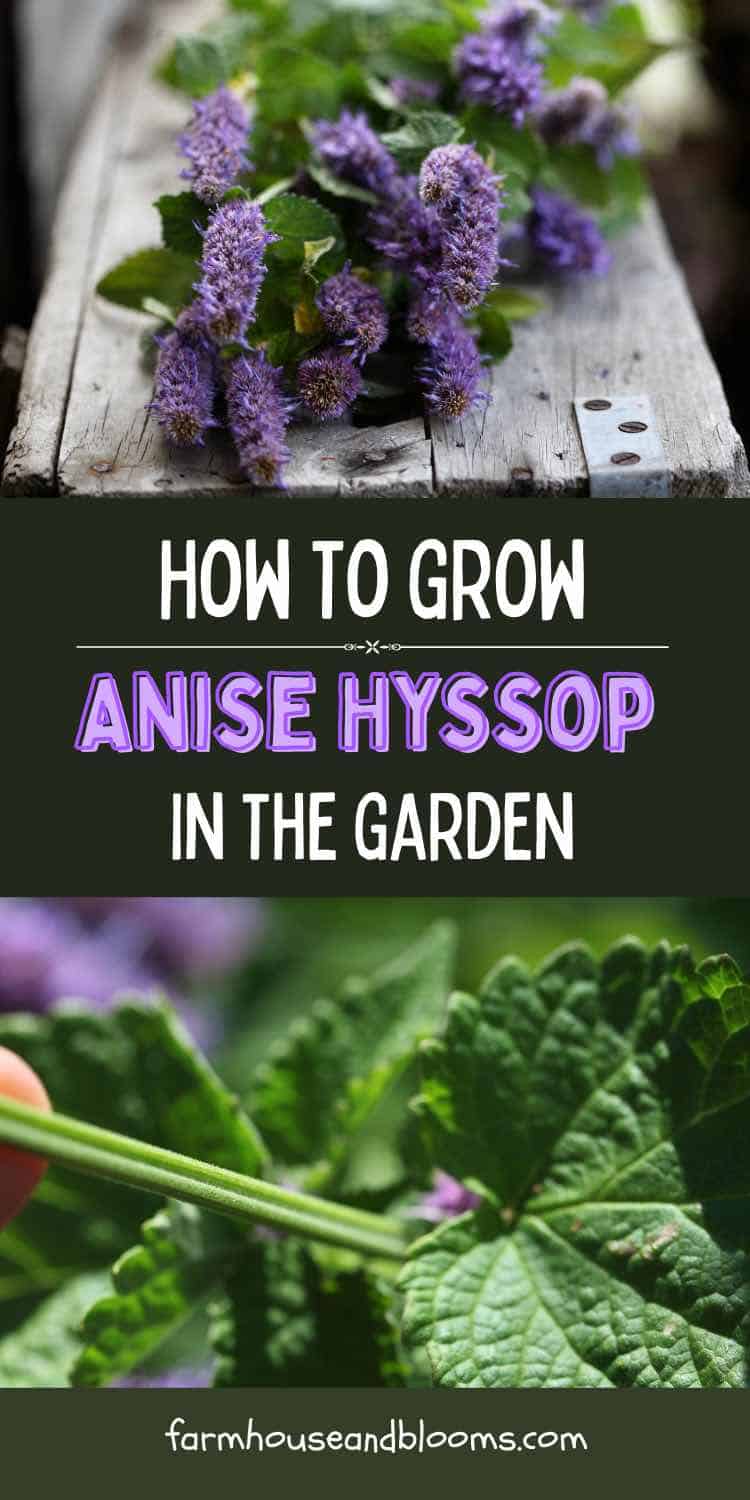
Anise hyssop (Agastache foeniculum) is a beautiful, fragrant perennial herb with purple spiked blooms that attracts pollinators to the garden space. Easy to grow from seed, the plant can grow to a large size and bloom, within the first year of planting. Learn how to grow Anise hyssop, and add this useful and attractive plant to your garden.
In this post I'll be covering how to grow anise hyssop from seed and division, as well as maintenance and care of the plant. To begin, let's start with a brief introduction to the plant itself, and the appeal of this great perennial plant for the garden space.
What Is Anise Hyssop?
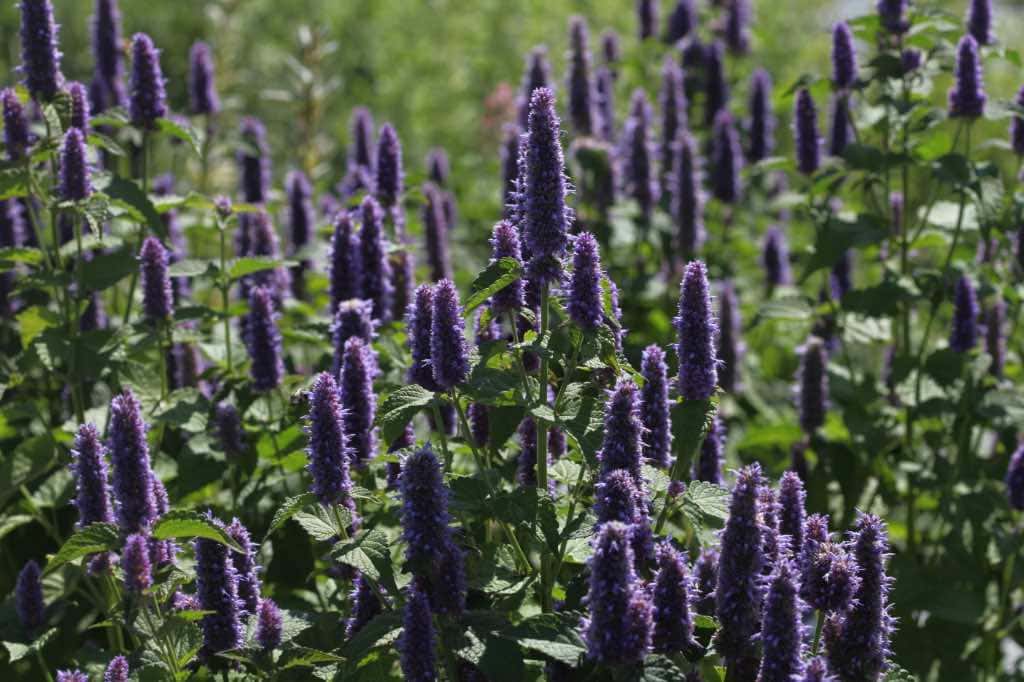
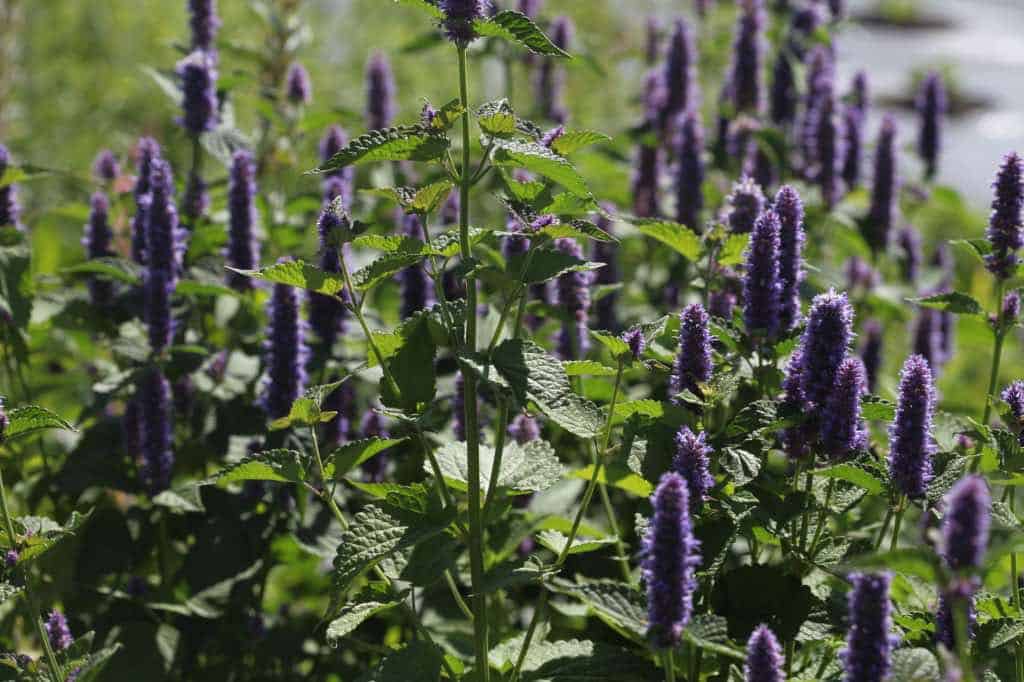
Anise hyssop is a perennial herb that bridges the gap between the ornamental and culinary garden. With its tall spikes of lavender-purple blooms and fragrant, licorice scented leaves, this plant adds both beauty and function to your landscape.
The plant belongs to the mint family, Lamiaceae — the same aromatic family that includes well-known herbs like mint, basil, lavender, sage, and oregano. This family is easily recognized by its square stems, opposite leaves, and fragrant oils, traits that anise hyssop shares with its close relatives.
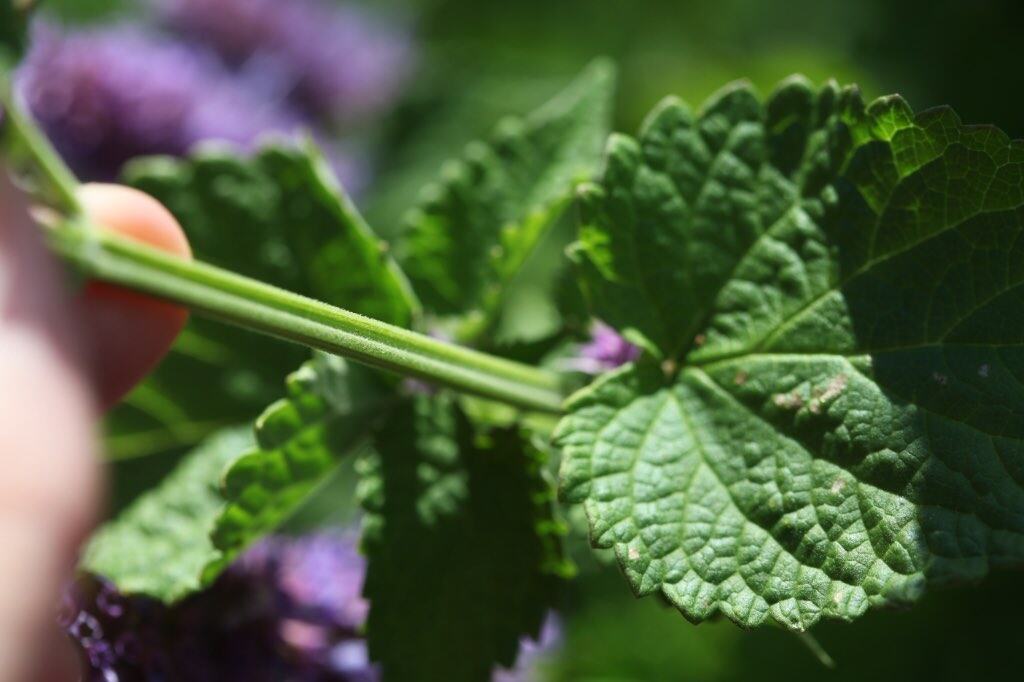
Anise hyssop is sometimes called by other common names, including:
- Blue giant hyssop
- Fragrant giant hyssop
- Licorice mint
Despite these names, it’s not a true hyssop (Hyssopus officinalis) and not a true mint (Mentha species) either — though it certainly behaves like one in the garden, with its aromatic leaves, long-lasting blooms, and pollinator appeal.
Unlike mint, however, anise hyssop is well-behaved and non-invasive, forming neat clumps rather than spreading aggressively by underground runners.
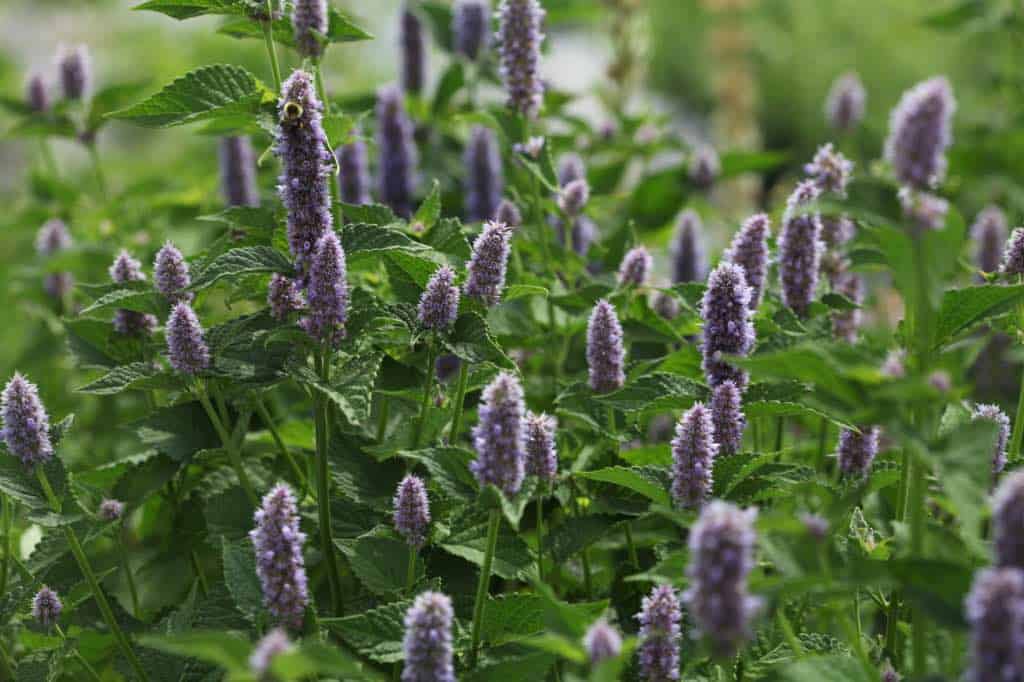
This year I grew anise hyssop to use as a cut flower. I became amazed at both the beauty and versatility of the plant, knowing that it was so much more than just a cut flower.
You can harvest the fragrant flowers and stems for a spiked element in flower arrangements. Or use the flowers and leaves in the kitchen, for making herbal teas, jellies, infused vinegars, and so much more.
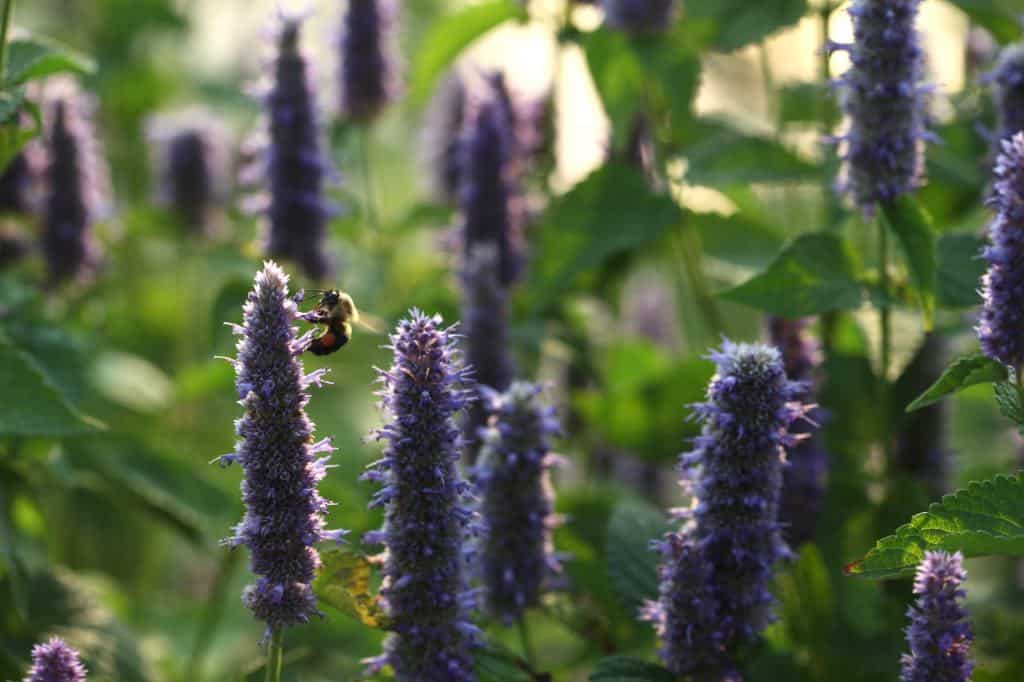
Beloved by bees, butterflies, and hummingbirds, anise hyssop offers months of color and movement in the garden. This easy-to-grow perennial thrives in full sun, tolerates drought once established, and rewards you with a long bloom season that stretches from midsummer into fall.
Reasons To Grow Anise Hyssop
- Pollinator magnet – attracts bees, butterflies, and hummingbirds.
- Fragrant foliage – the anise-licorice scent adds charm to the garden and bouquets.
- Long bloom period – blooms from midsummer through fall.
- Edible and herbal uses – use the leaves and flowers for teas, syrups, garnishes and more.
- Excellent cut and dried flower – holds color and shape beautifully.
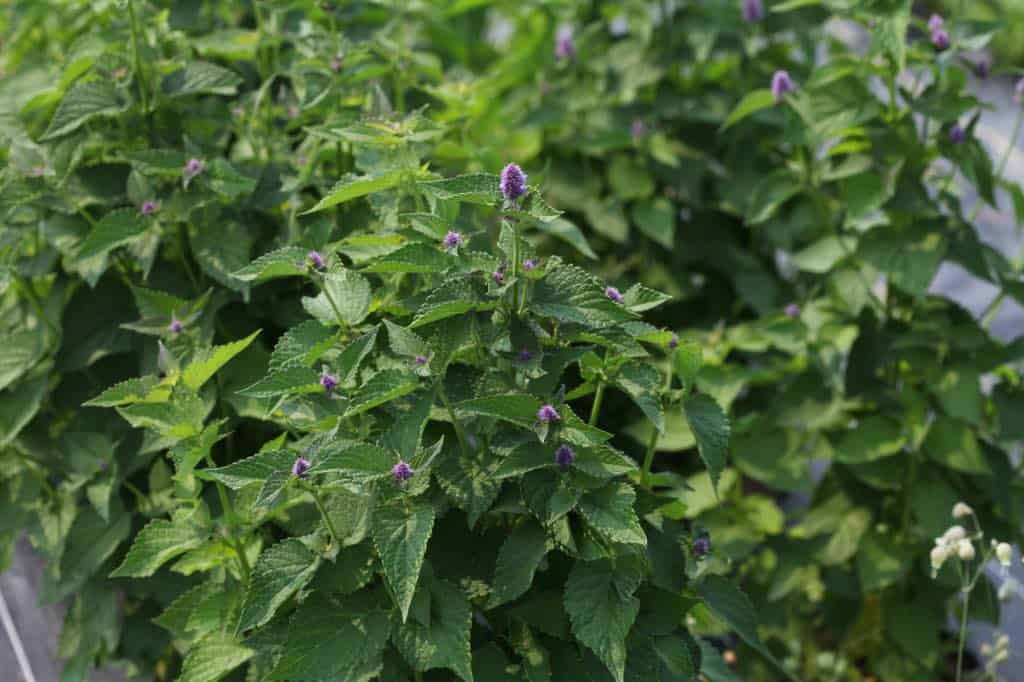
- Fast growth- this amazing perennial grew from seed into a large, mature and blooming plant in one season.
Growing Conditions
Light Requirements
- Anise hyssop prefers full sun, however also tolerates light shade. You will see best flowering in a full sun location.
Soil Requirements
- This plant grows well in good draining soil, thriving in sandy or loamy types, and low fertility is fine. We planted ours in clay soil amended with compost, and the plants grew exceptionally well.
Moisture Requirements
- Anise hyssop is drought tolerant once established. Our first year plants made it through a record breaking drought this summer with flying colors!
Hardiness Zones
- USDA Hardiness Zones 4–9.
How To Plant
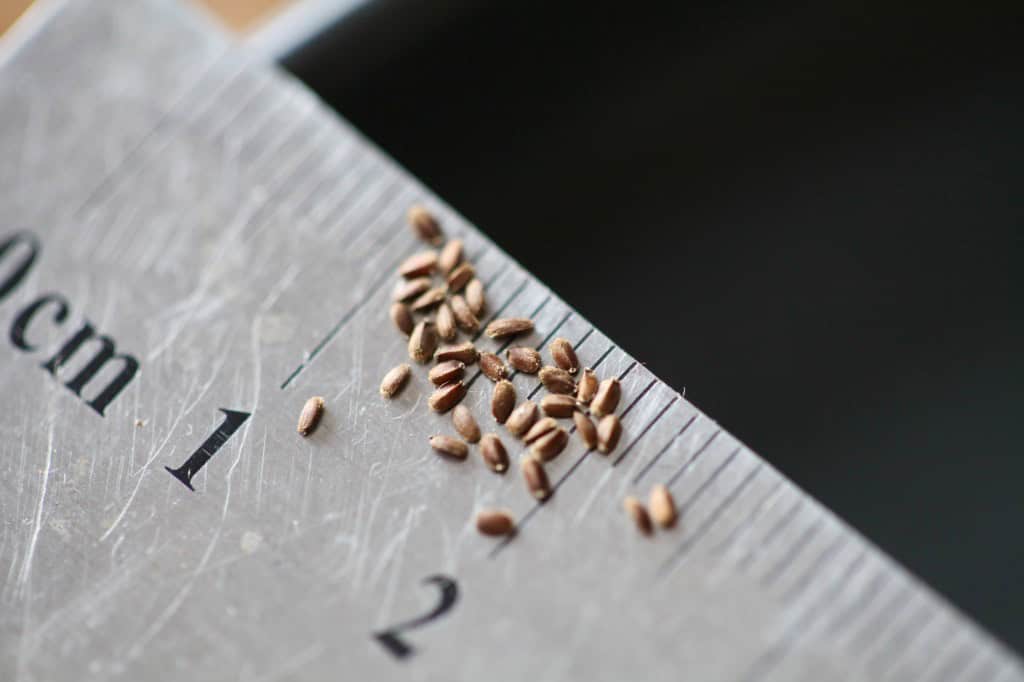
Anise hyssop is easily grown from seed or division. The wonderful thing about growing from seed is that you can grow a large plant that actually flowers, within the first season of planting. No need to wait until the second season for blooms.
Grow From Seed
1. Starting Indoors
If you live in a cooler climate or want an early start, start the flower seeds indoors 6–8 weeks before your last expected frost date. Cold stratification is not necessary.
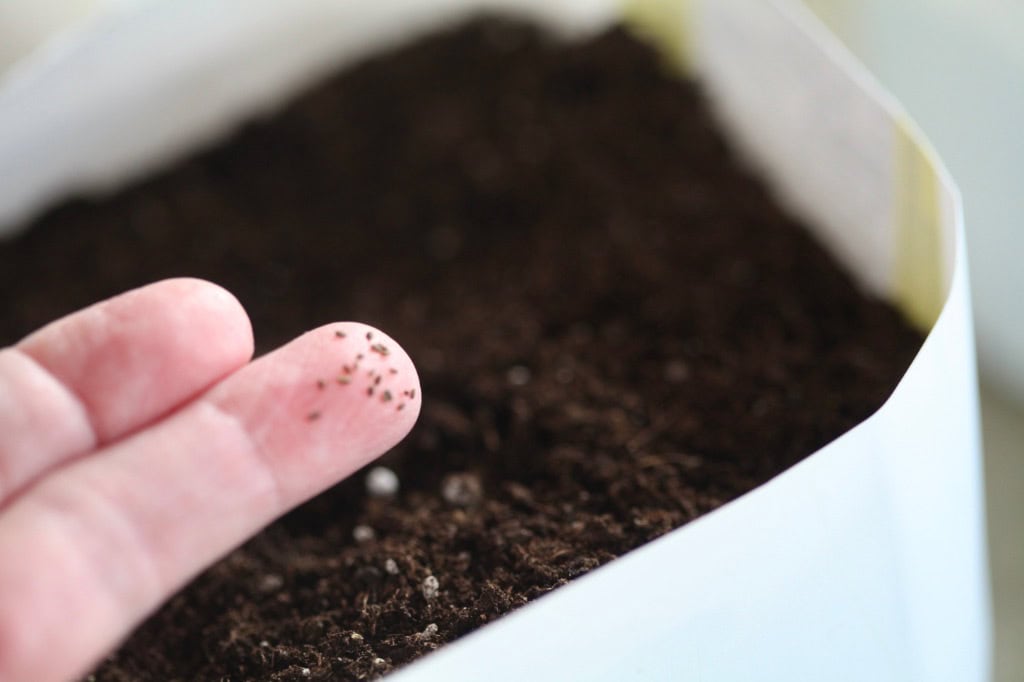
- Surface sow into seed trays with a good seed starting mix. The seeds need light to germinate, so press them gently into the soil but don’t cover them.
- Bottom water the tray and place on a heat mat until 60% of the seeds have germinated, generally within 10-14 days. Remember to keep the soil moist until germination occurs.
- Place under grow lights until the risk of frost has passed. Then harden off before transplanting into the garden.
- Make sure to plant 12-18 inches apart, to accommodate for mature size and good air circulation.
2. Direct Sowing Outdoors
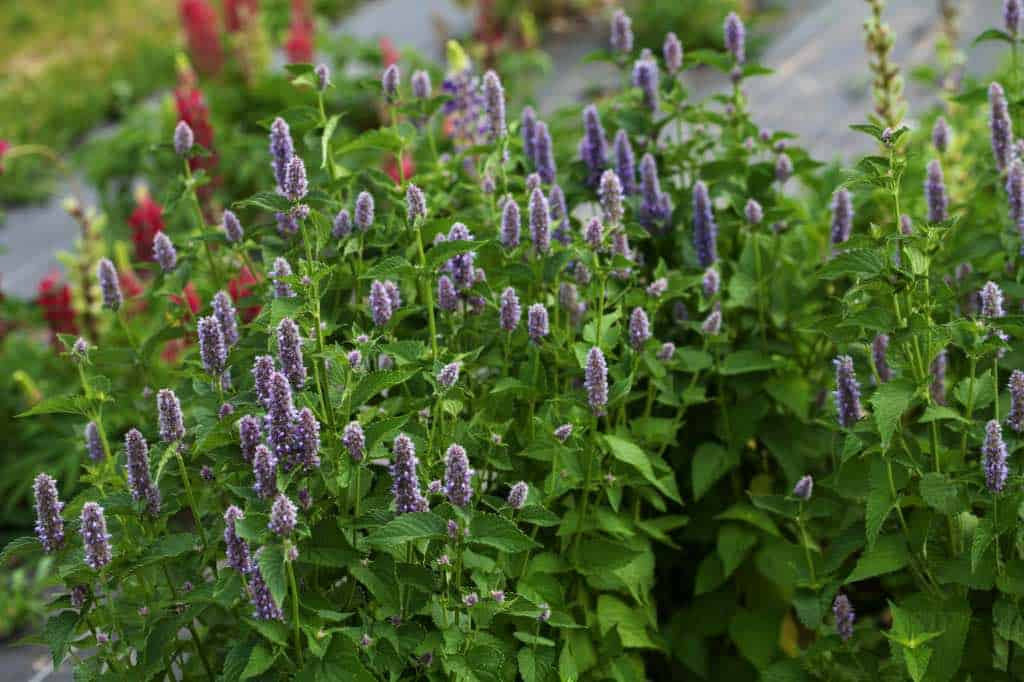
You can also direct sow anise hyssop into the garden once the soil has warmed in spring.
- Scatter seeds on loosened, raked soil and press them lightly to ensure contact. Keep the area moist until germination occurs.
- Thin young plants to about 12–18 inches apart to allow room for air circulation and mature growth.
3. Winter Sowing
This method was used for my first crop of plants, and the outcome was nothing short of amazing.
For a low-effort approach, winter sowing works beautifully with anise hyssop.
- Winter sow seeds in covered milk jugs or containers outdoors in late winter. Surface sow, and do not cover.
- The natural freeze-thaw cycle breaks dormancy, and seedlings will sprout when conditions are just right in spring.
- Transplant into the garden when the seedlings are about 5" high, and once the soil warms up.
Grow From Divisions
If you already have a mature plant, division is the fastest and most reliable method to create new ones. Anise hyssop forms tidy clumps that are easy to lift and separate.
- Divide every 3–4 years in early spring (just as new growth emerges) or early fall after blooming has finished.
- Use a garden fork or spade to gently lift the plant from the soil, keeping as much of the root system intact as possible.
- Use a clean knife or spade to separate the clump into smaller divisions, each with roots and a few healthy stems attached.
- Replant divisions at the same depth they were growing, spacing them 12–18 inches apart. Water well after planting, and keep moist until the plant division establishes in its new location.
Design Tip
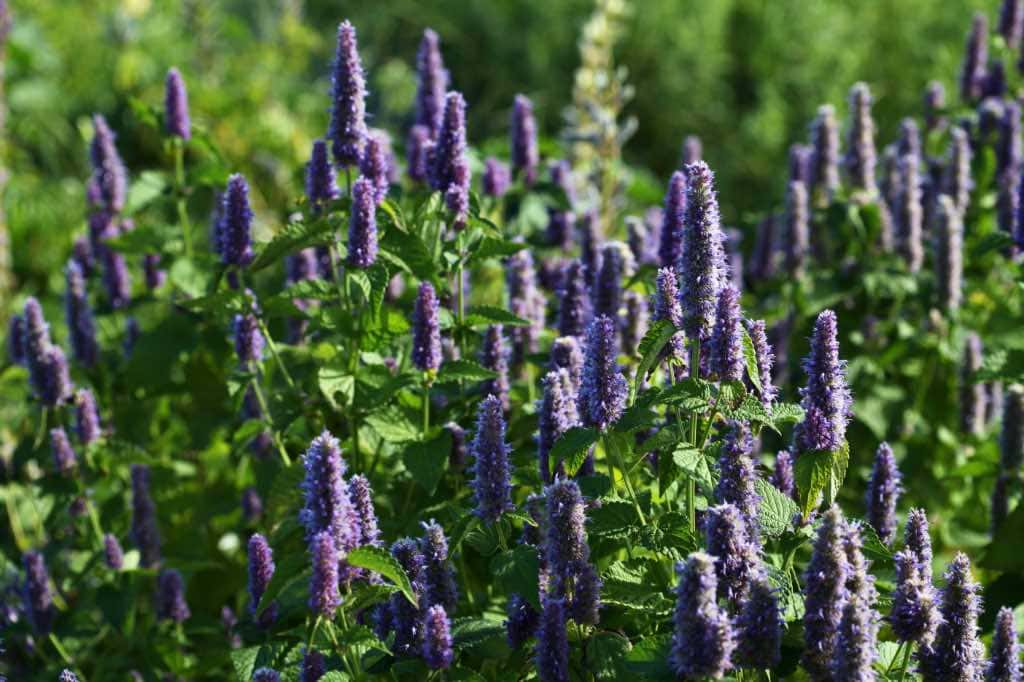
Group anise hyssop in drifts of three or more plants for the best visual effect and to help pollinators easily find the blooms.
The plant's upright habit also makes it a great mid-border plant. Position it in front of taller perennials or behind low-growing herbs and groundcovers.
Care and Maintenance
This low-maintenance perennial thrives with minimal attention. A few simple care practices will help your plants stay healthy and full of blooms year after year
Watering
After planting keep the soil evenly moist until roots take hold, especially in the first 4–6 weeks after transplanting.
Once mature, water deeply but infrequently. The plant is drought-tolerant and actually performs better in drier conditions than in soggy soil.
Deadheading
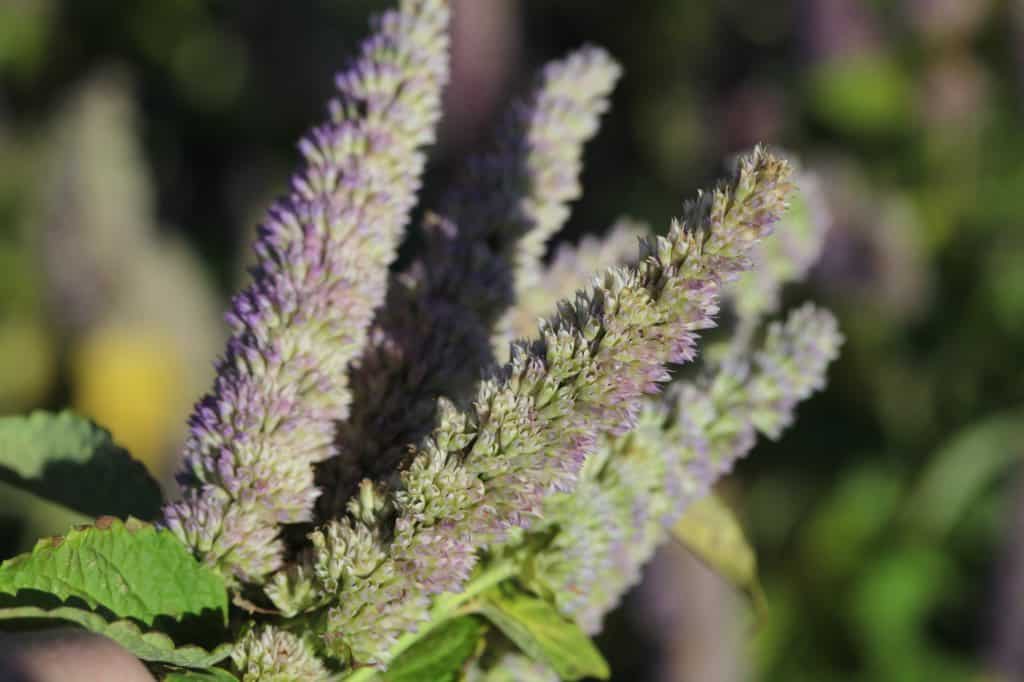
Regular deadheading helps extend the bloom season and keeps the plants looking tidy. Snip spent flower spikes just above a set of healthy leaves to encourage side shoots and new blossoms.
Fertilizing
Anise hyssop is not a heavy feeder. Best practice is to work in a bit of compost or well-rotted organic matter into the soil each spring.
Mulching
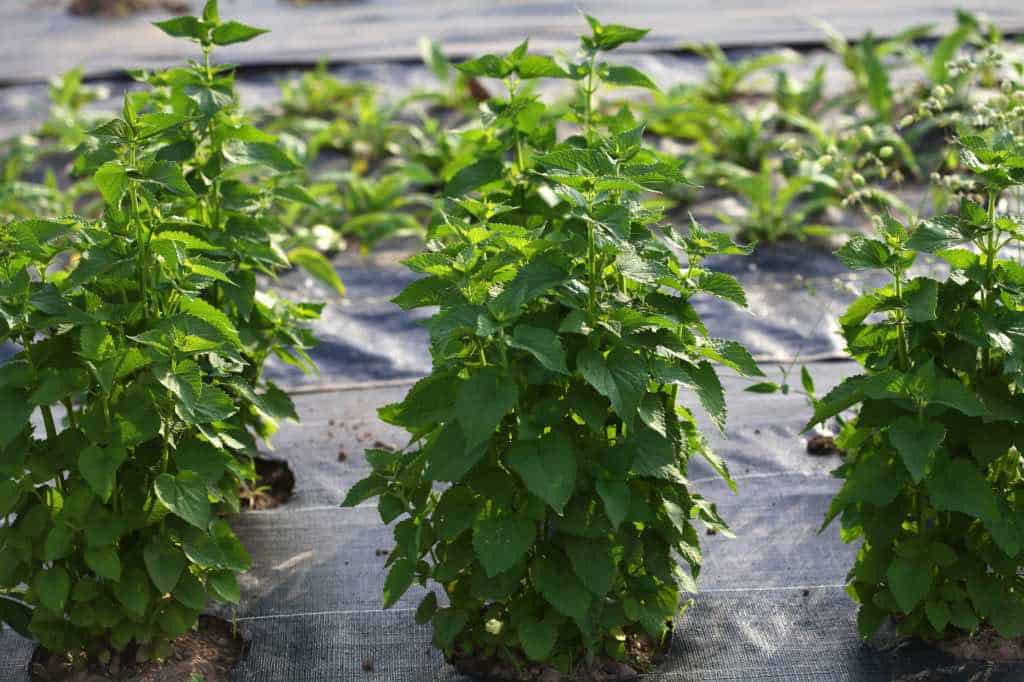
Mulch is helpful for moisture retention and weed control, especially during the first growing season.
We planted our seedlings into black weed fabric, and mulched directly around the plants at the base, which was helpful for weed suppression.
Common Problems
Anise hyssop is remarkably resistant to most pests and diseases, making it a dependable perennial for pollinator gardens and herb borders. Still, a few minor issues can appear under certain growing conditions — most of which are easy to prevent or correct.
- Root Rot from Poor Drainage: Plant in well-draining soil; sandy or loamy beds, and avoid overwatering.
- Powdery Mildew: Provide good air circulation by spacing plants at least 12–18 inches apart. Trim back spent flower stalks and thin out dense growth if air movement is poor.
- Aphids or Leafhoppers: Spray with a gentle stream of water to dislodge pests. Encourage beneficial insects like ladybugs and lacewings. Insecticidal soap can be used for heavier infestations, although rarely necessary.
- Floppy Growth: Anise hyssop can sometimes grow tall and leggy if planted in overly rich soil or partial shade. Grow in full sun, avoid excess fertilization, and lightly pinch or prune young plants to promote branching and stronger form.
- Short-Lived Clumps: Some gardeners find anise hyssop plants decline after 3–4 years if not divided. Divide and replant healthy sections in spring or early fall to rejuvenate growth and keep the patch vigorous. The self-seeding nature of the plant also helps maintain a steady presence in your garden over time.
Harvesting and Uses
Anise hyssop is not only lovely in the garden, it’s also a joy to harvest.
Both the leaves and flowers are edible and aromatic, making them perfect for teas, syrups, infused honey, potpourri, and floral crafts.
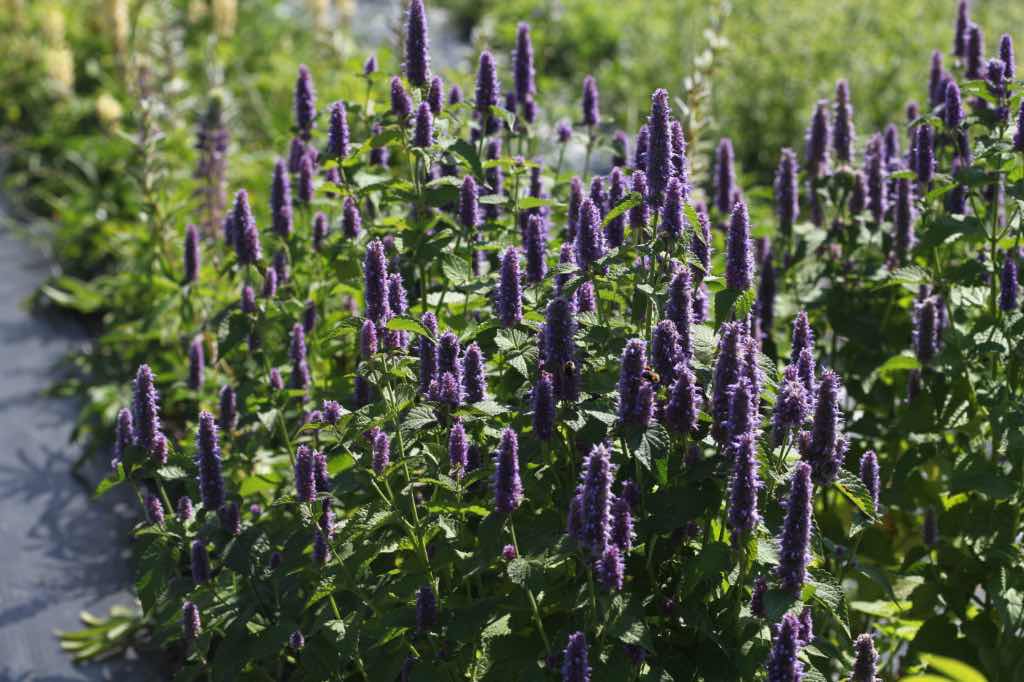
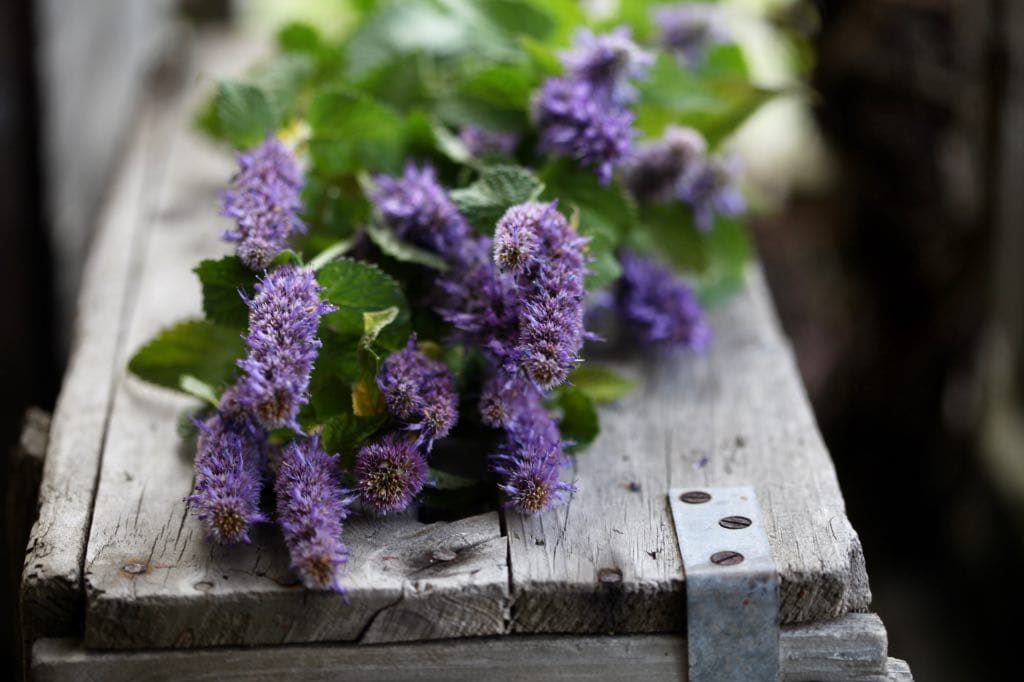
The tall stems are great to use as a filler flower in flower arrangements, with the purple flowers adding a contrasting spiked form.
When and How to Harvest
Harvesting in the morning is ideal, specifically after dew has evaporated but before midday sun. This timing helps to preserve the plant’s natural oils and fragrance, providing the best flavor for teas and herbal preparations.
Early morning harvesting also minimizes wilting, and allows leaves to retain their deep green color.
Harvesting Leaves
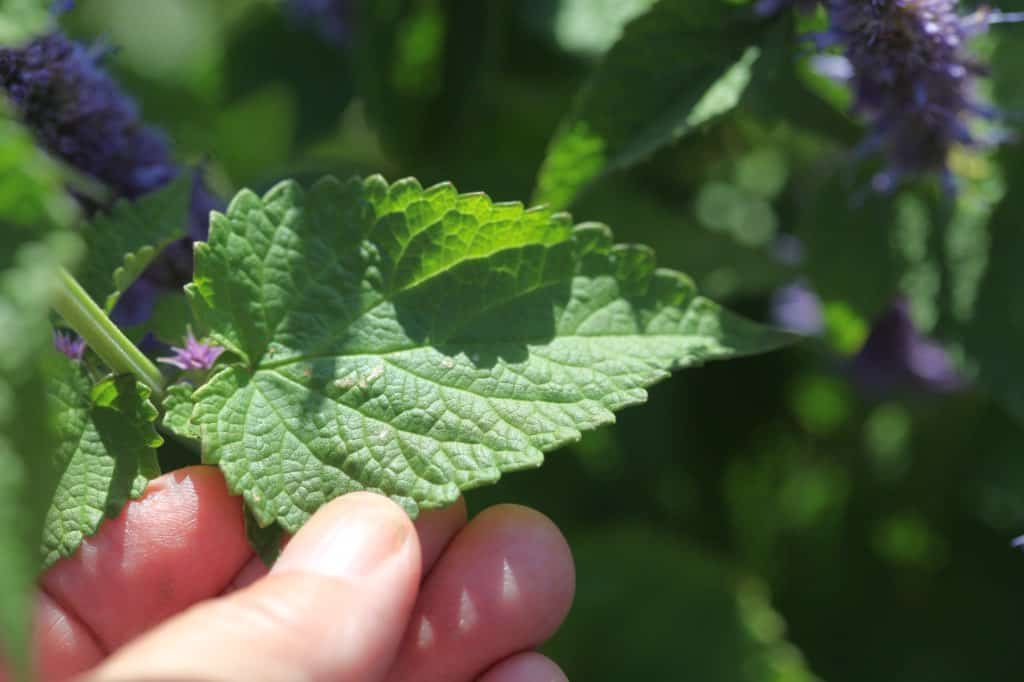
The best time to harvest leaves is just before the plant begins to bloom, when essential oil content and flavor are at their peak.
Use sharp scissors or snips to cut stems in the morning, after the dew has dried but before the heat of the day, which can cause volatile oils to dissipate.
Select healthy, unblemished leaves, leaving enough foliage on the plant for continued growth and regrowth later in the season.
Leaves can be dried and stored for later use, or used in their fresh state.
Harvesting Flowers
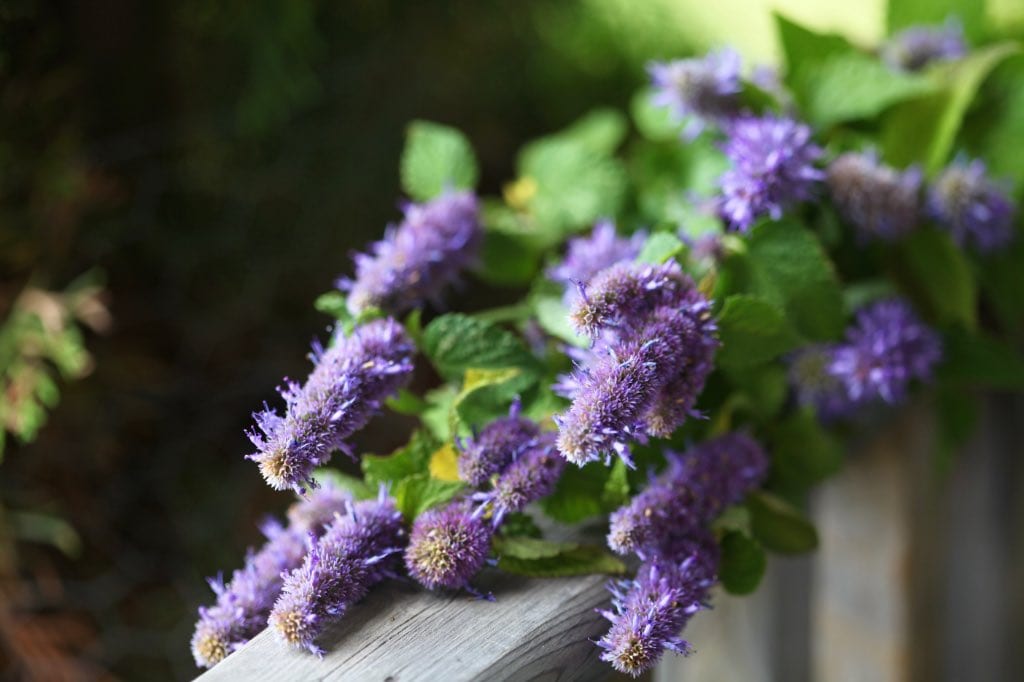
The flower spikes can be harvested once the lower blossoms begin to open, and again as new spikes form.
Cut entire stems for drying or fresh use, or gently pinch individual florets for garnishing desserts and salads.
Frequent harvesting encourages new blooms and extends the flowering season well into late summer.
Harvesting Seeds
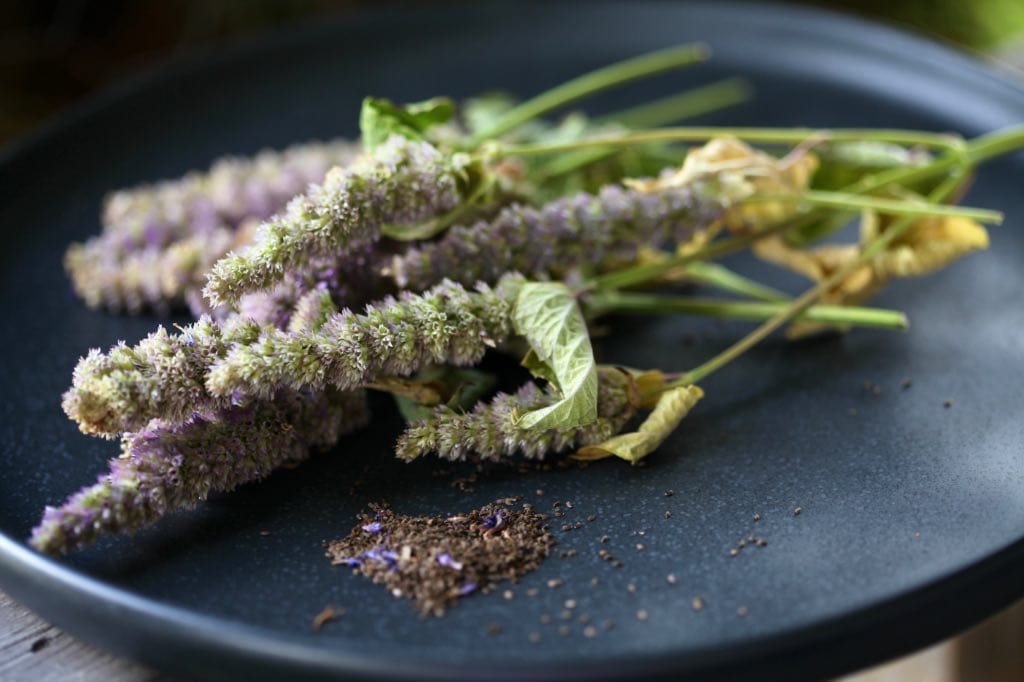
Don't forget to save some seeds from your anise hyssop plant at the end of the season, so that you can grow more in your garden.
Although the plant can self seed, saving your own seed gives you more control over where the new plants are planted.
Ways to Use Anise Hyssop
- Herbal Tea: Steep fresh or dried leaves in hot water for a calming, naturally sweet tea with a mild licorice flavor.
- Syrups and Infusions: Combine flowers or leaves with sugar and water to make a fragrant simple syrup for cocktails, lemonade, or desserts.
- Culinary Garnishes: Sprinkle blossoms on cakes, salads, or fruit platters for a beautiful edible touch.
- Potpourri and Sachets: Mix dried flowers with lavender, mint, or rose petals for a soothing home fragrance.
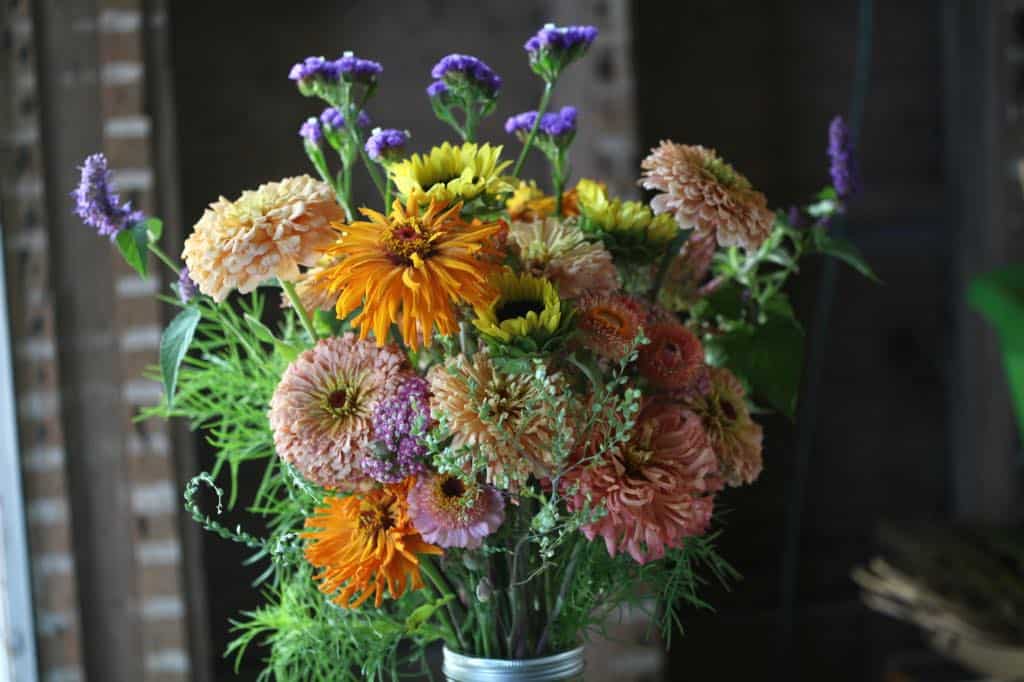
- Cut and Dried Arrangements: Great fresh cut flowers, and long lasting. The upright flower spikes also hold their shape well when dried, adding color and texture to everlasting bouquets.
Companion Plants
Anise hyssop is a versatile companion in both flower and herb gardens, blending beautifully with a variety of plants that share its love of sunshine and well-drained soil.
The plant's upright form and long-blooming lavender spikes make it a stunning partner for many perennials and annuals, especially those that attract pollinators and add contrast in color or texture.
For a Pollinator-Friendly Garden
Pair anise hyssop with other nectar-rich flowers to create a haven for bees, butterflies, and hummingbirds.
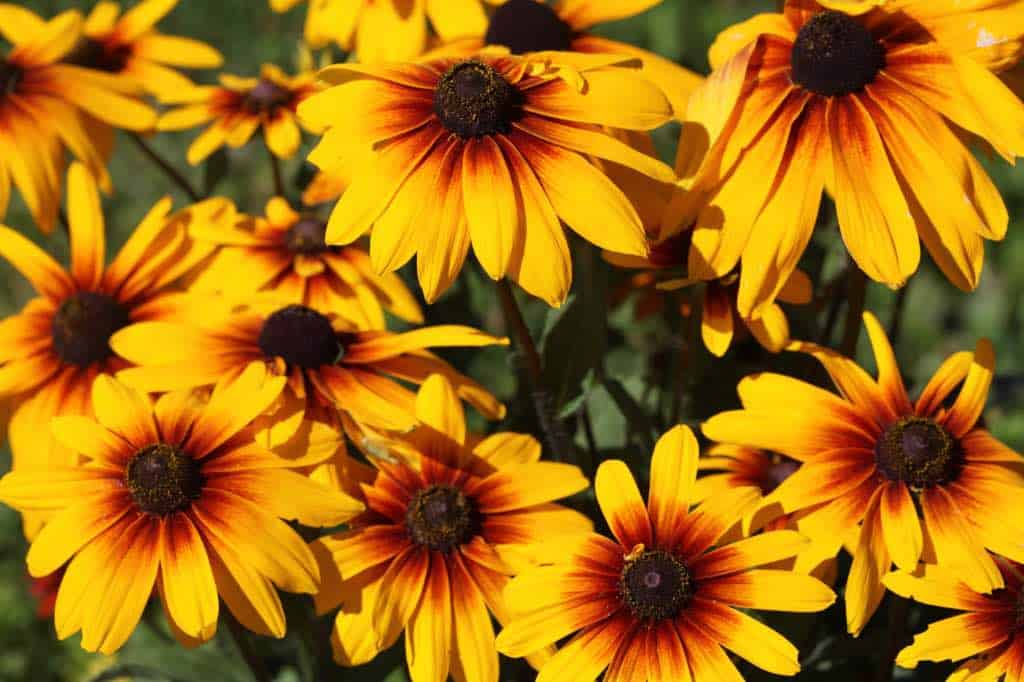
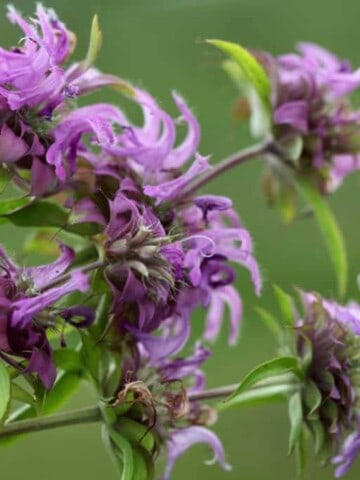
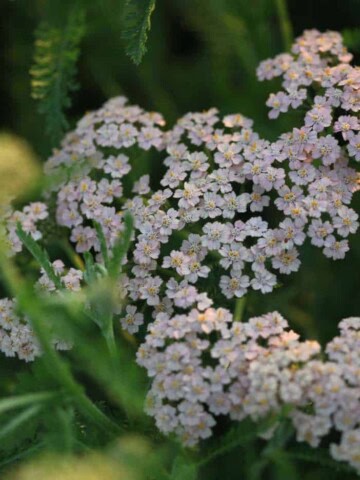
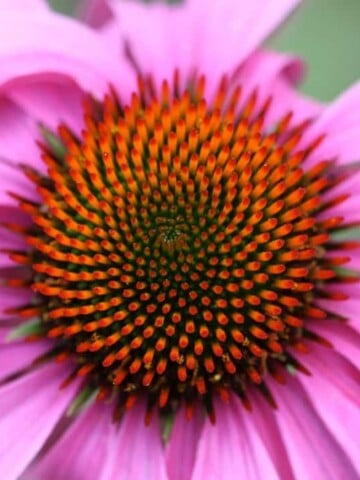
Consider plants such as Echinacea, Bee Balm, Black Eyed Susan, and Yarrow, which offer cheerful contrast, and extend the garden’s color palette.
For a Cottage or Cut Flower Garden
Anise hyssop fits perfectly into cottage-style and cut flower gardens, where its delicate spikes add height and fragrance.
Great companions in this type of garden include Shasta Daisy, Russian Sage, and Liatris, which add contrast and a wild flower look.
For the Herb or Tea Garden
Since anise hyssop is also a fragrant herb, it makes a wonderful companion in the tea or culinary garden.
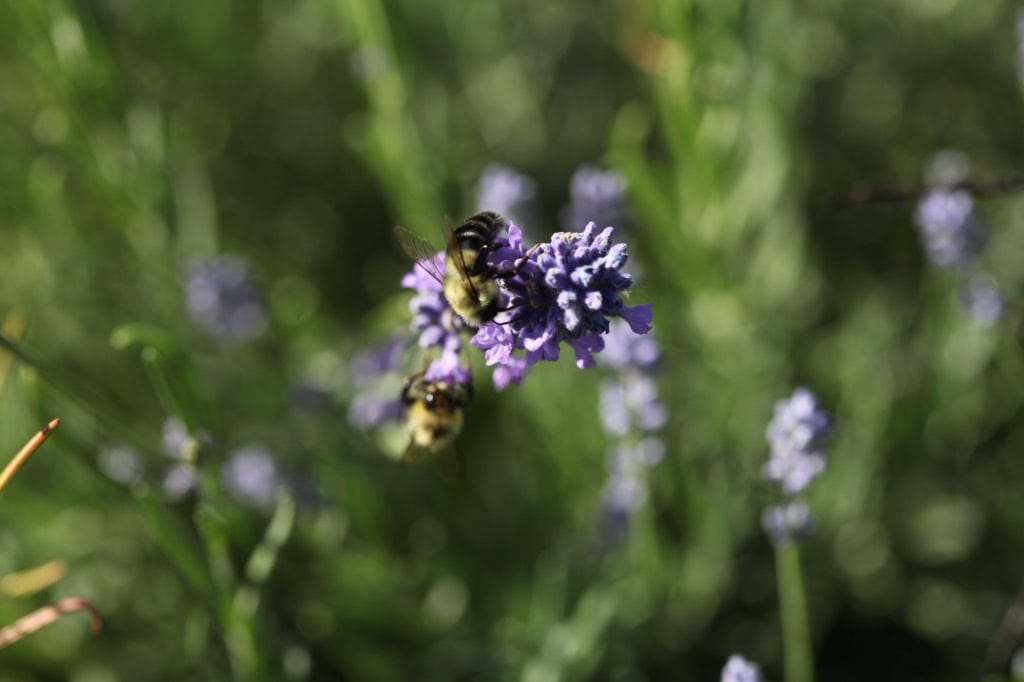
We grow it with Mint, Chamomile, and Lavender, which also have both ornamental and culinary uses.
Frequently Asked Questions
Anise hyssop is considered a hardy perennial in USDA Zones 4 to 9. It returns year after year once established, forming sturdy clumps that expand slightly each season.
Yes! The flowers and leaves of anise hyssop are edible. They have a mild, sweet anise flavor that’s perfect for teas, salads, baked goods, or garnishes. The blossoms also make beautiful additions to herbal syrups, jellies, and infused honey, adding both color and delicate flavor.
Anise hyssop readily self-seeds under the right conditions, especially in well-drained soil. While it’s not invasive, you may find a few volunteer seedlings in spring. These can be left to grow for a naturalized look or transplanted to new spots in the garden.
Mature anise hyssop plants typically reach 2 to 4 feet tall and about 1 to 2 feet wide. The upright flower spikes add vertical interest to the garden and also make excellent additions to cut flower arrangements. Taller varieties may need light staking in windy areas.
In Summary
Anise hyssop is one of those plants that brings beauty, fragrance, and purpose together in one location.
With its upright lavender spikes, soft licorice scent, and endless appeal to bees and butterflies, it’s a perennial that truly earns its place in every garden.
Easy to grow, drought-tolerant, and long-blooming, anise hyssop adds a gentle rhythm to the summer landscape, waving in the breeze beside coneflowers, yarrow, and bee balm.
It’s a plant that gives back, filling your garden with color, your teacup with comfort, and your heart with the quiet satisfaction that comes from growing something beautiful and useful all at once.
Have you ever grown anise hyssop garden? Be sure to leave a comment down below to share your experience!
PIN IT FOR LATER


Leave a Reply