
Poinsettias are perennial plants which are grown for their beautiful blooms during the holiday season. Consider keeping your poinsettia as a houseplant, to encourage another flush of color once again, next season. Learn how to make a poinsettia bloom, and get your plant blooming for the holidays, year after year.
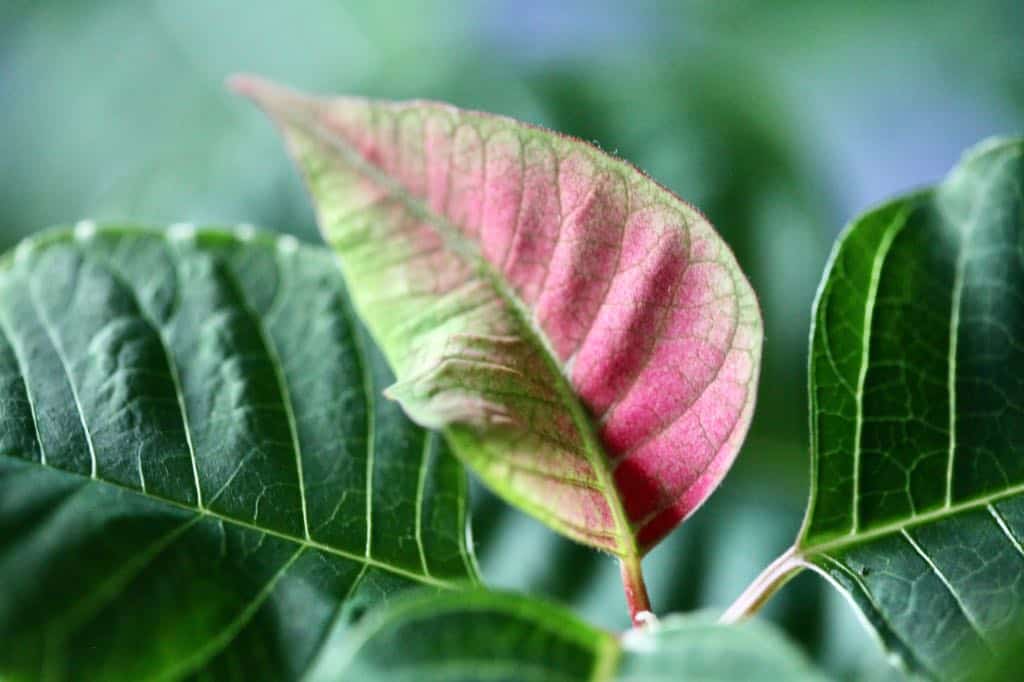
A beautiful poinsettia will provide a colorful display during the Christmas season.
After the holiday season is over, many people toss out these festive plants. Usually by this time the plants have finished blooming, and may look a bit thin and scraggly.
It is natural for the plants to drop their colorful bracts and some of the leaves, as part of the blooming cycle. These forlorn poinsettia plants can look sick or damaged, but you can save your poinsettia plants, and make them healthy and full again.
When the plants begin to lose their color and leaves at the end of the holiday, you can save them, and take care of them as houseplants, for reblooming next season.
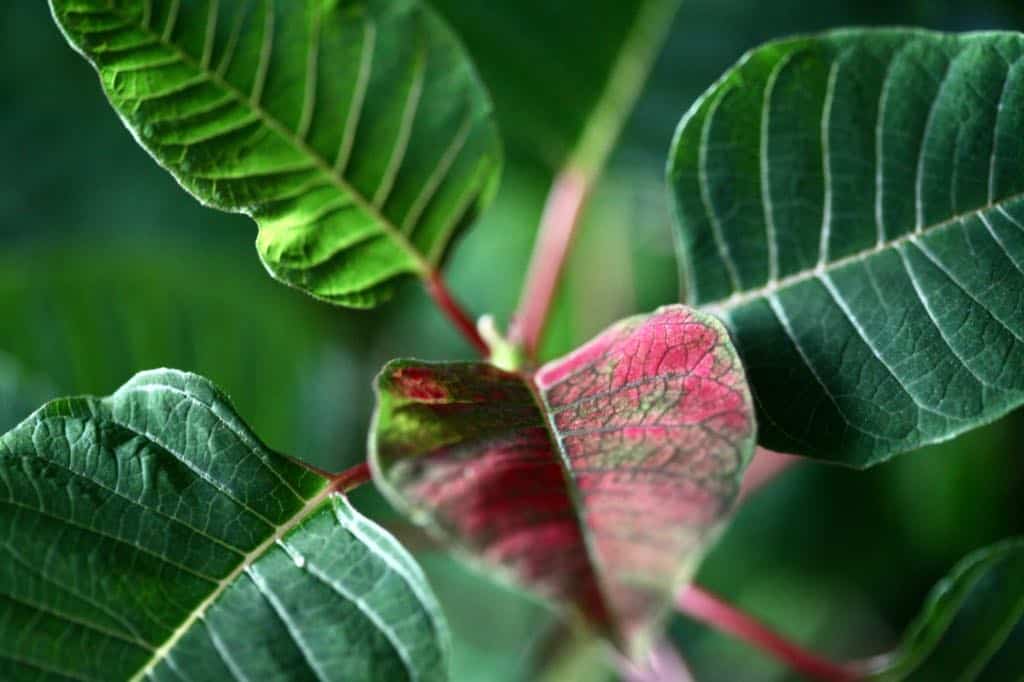
Grow Poinsettia As A Houseplant
In our province of Nova Scotia, there is a gentleman who has been growing an indoor poinsettia plant for 26 years. He grows the plant in his wife's memory, a special plant acquired on Christmas Eve, shortly before her death.
This special poinsettia has reached a very large size, now measuring 1.6 m or 5.2 feet in height, and 4.5 m or 14.7 feet in circumference. The plant still has not reached it's maximum size.
This poinsettia plant reblooms during the holiday season, as long as it receives the right amount of light and darkess exposure prior to blooming.
Getting a poinsettia to rebloom takes some consistency and effort, however it is definitely possible.
What Makes A Poinsettia Bloom?
Poinsettias are known to be short-day plants, and their flowering is affected by the light changes of the season. These plants will flower when the hours of light exposure are reduced, which occurs in the fall.
Short day plants will flower only when they receive less than 12 hours of light per day.
For these plants, it's actually the length of darkness which affects the flowering response of the plant.
The poinsettia plant is a shrub, native to Mexico and Central America. These tropical plants have been cultivated over time to produce beautiful bright plants for the holiday season.
The species name of the poinsettia plant is Euphorbia pulcherrima.
A member of the Family Euphorbiaceae, and Genus Euphorbia, the poinsettia is related to cassava, castor oil plant, rubber tree, and spurge, just to name a few.
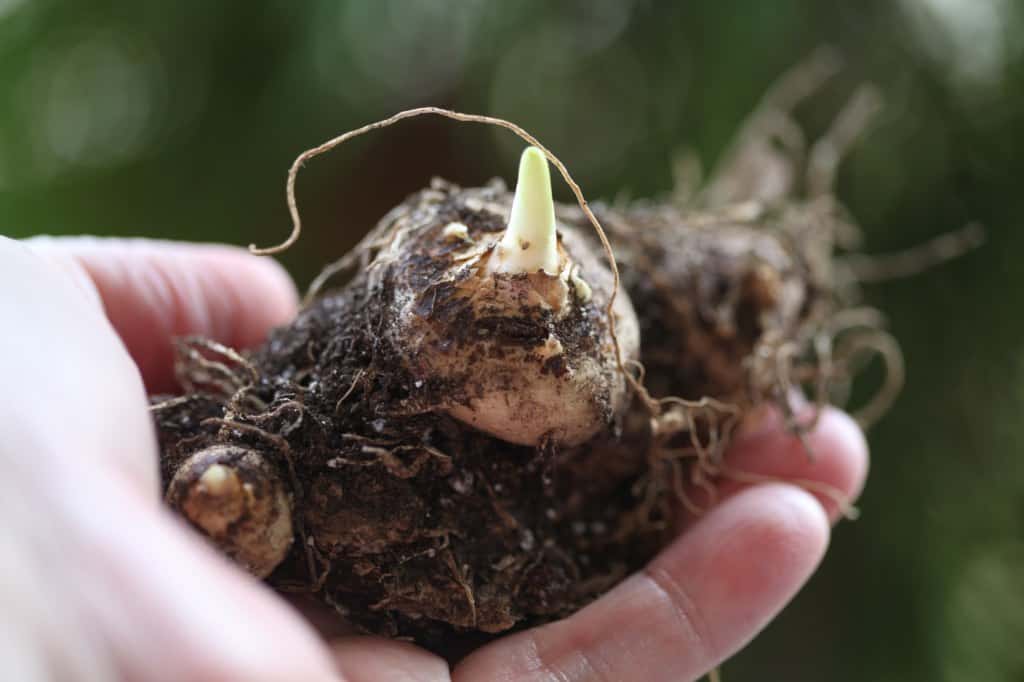
Interestingly, the cassava root also has a holiday connection to Bermudian traditions, and is used to make cassava pie, every holiday season.
Poinsettia plants are perennial shrubs and trees, which grow naturally outdoors. When the days shorten in the fall, and the length of light exposure reduces, the plants are naturally stimulated to bloom.
The cultivated varieties of poinsettia have similar characteristics. These plants have maintained many traits from their tropical origins, including the influence of day length on blooming.
Will Poinsettias Bloom Every Year?
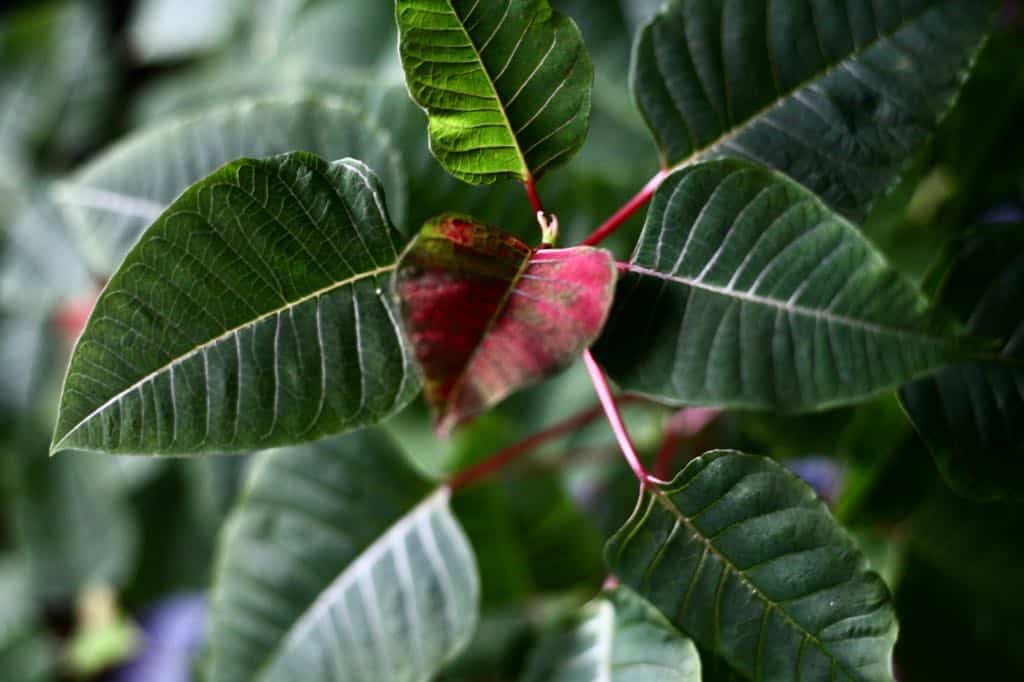
The development of poinsettia blooms and colorful bracts occurs due to a reduction in light exposure. In order for poinsettias to bloom every year, they will require a daily darkness and light regimen.
This occurs naturally out in nature, however not as readily for indoor grown poinsettias
As long as the poinsettia plant has been exposed to the required daily periods of darkness, along with daily periods of light, it should rebloom each year.
This regimen requires a bit of effort and consistency to reach maximum results.
As the poinsettia plant owner, you can use these techniques to promote blooming each and every year.
Is it a lot of work? Not really.
The real key is consistency, during the timeline before the potential blooming period.
If the poinsettia plant is not exposed to the required period of darkness and light, it will most likely remain green. Sometimes there may be an occasional bloom or modified leaf formation, however most of the plant will probably stay green.
Where Are The Blooms On A Poinsettia?
Before we discuss how to make a poinsettia bloom, let's have a look at the blooms themselves. Before learning to promote blooming it's important to know what the blooms on a poinsettia actually look like.
Poinsettia Flowers
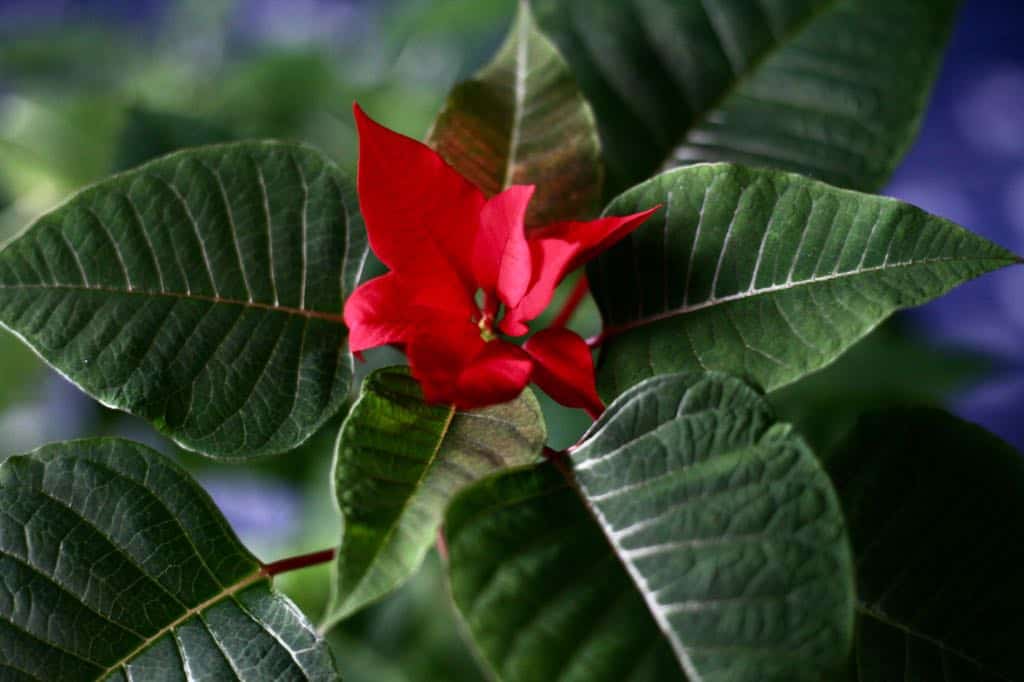
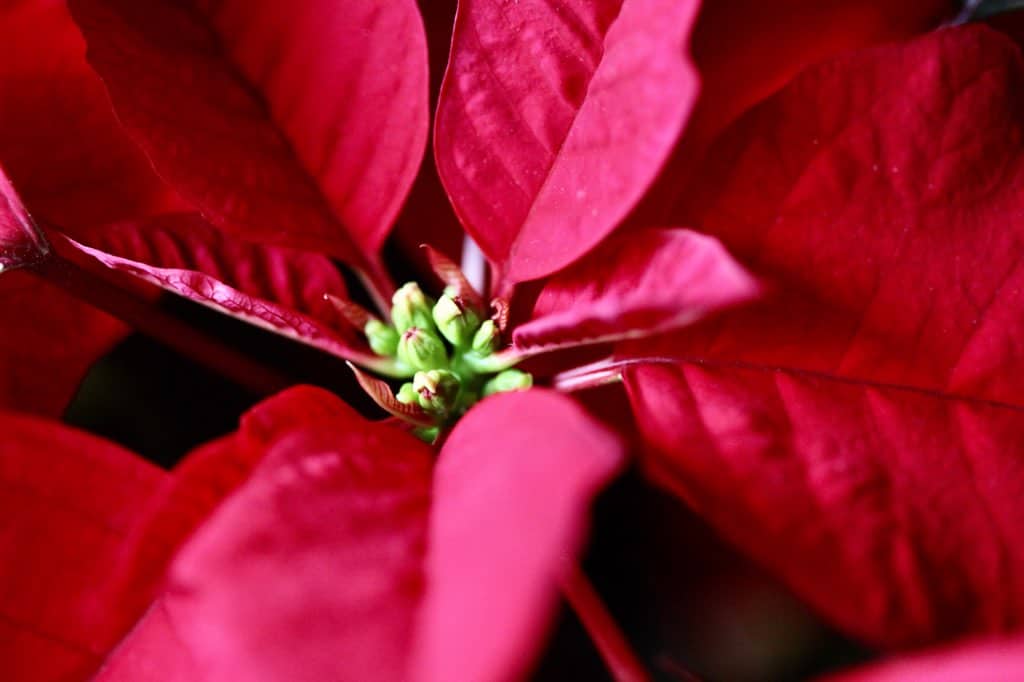
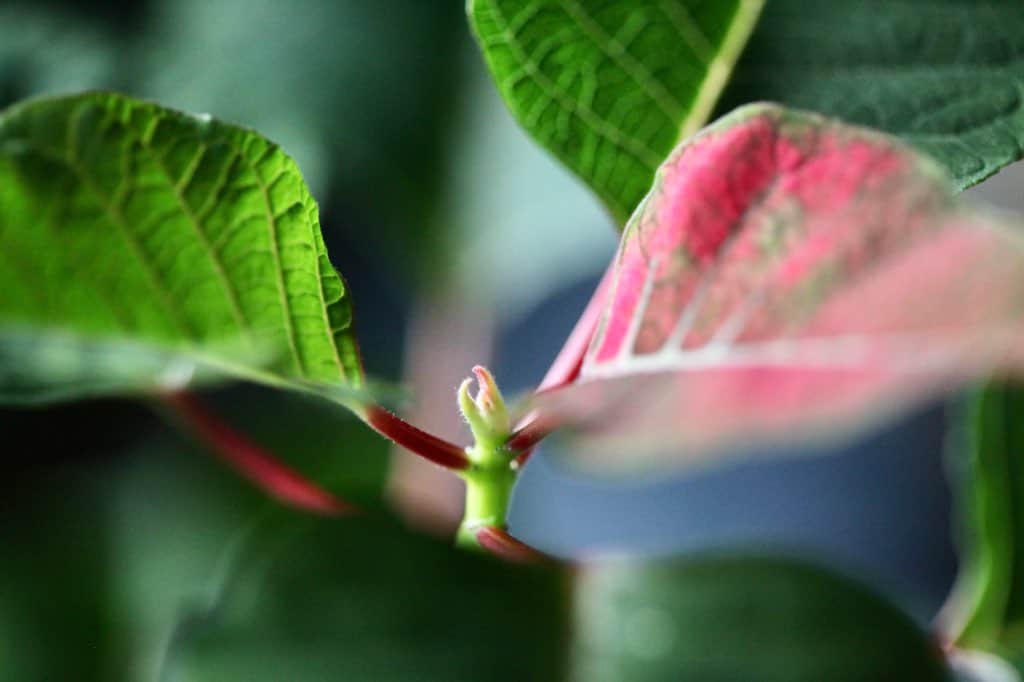
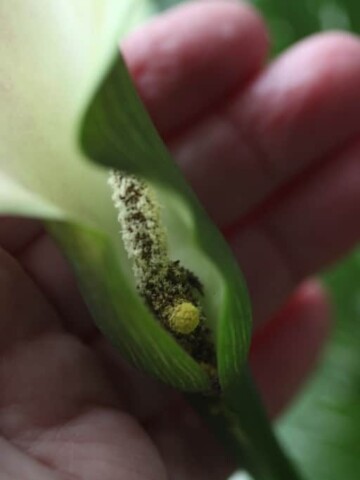
- The flowers on a poinsettia are located right in the center of the colorful bracts. You can find them at the tips of the branches.
- These tiny flowers are almost indescernable. You have to look closely to see that these small structures are actually blooms.
- When the flower buds are ripe and almost ready to bloom, they are more easily recognized. Often presenting with a yellow color, the flowers are very small, with placement in the center of the colorful bracts.
Poinsettia Bracts
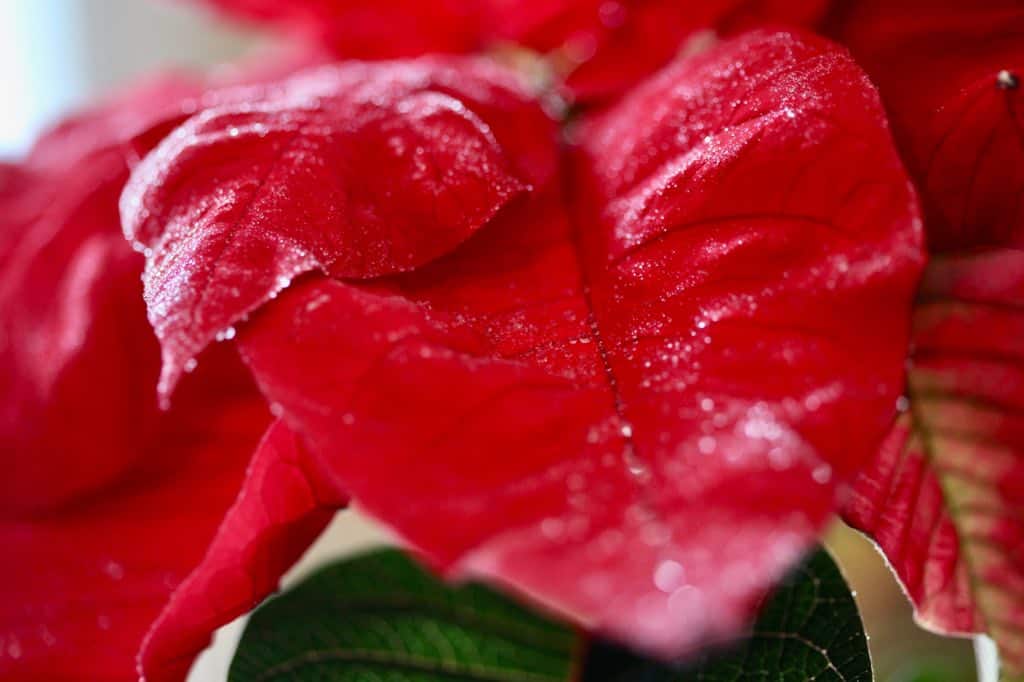
- Poinsettia plants have dark green leaves, as well as bright and colorful bracts.
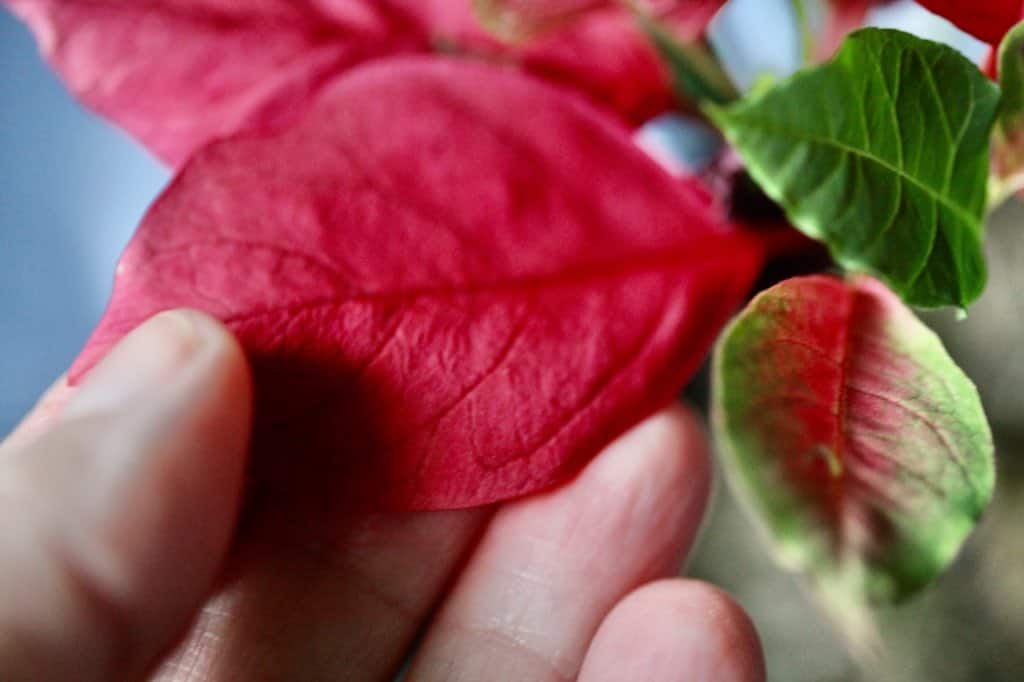
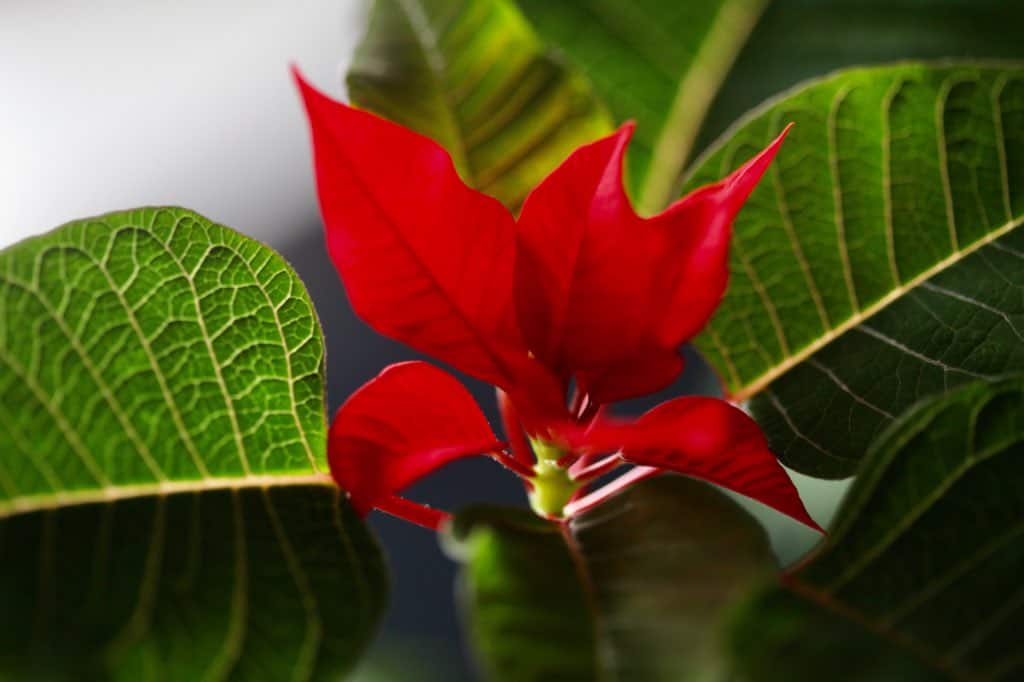
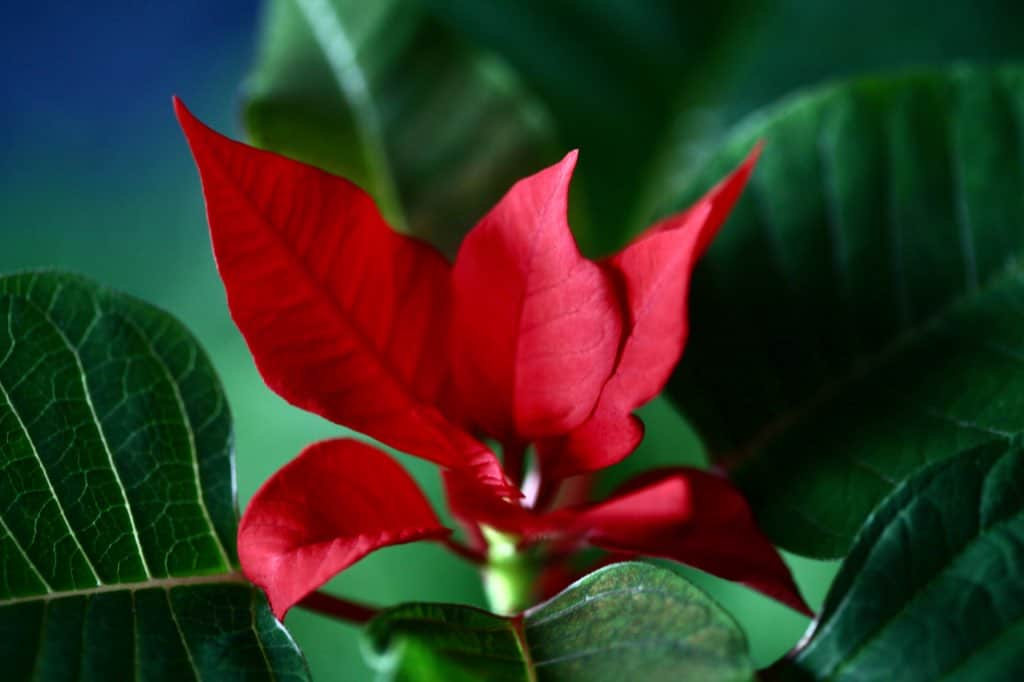
- The colorful poinsettia bracts are present during the blooming process. Some people think that the bracts are actually the poinsettia blooms, however this is not correct.
- The bracts on poinsettias are leaf shaped, and so appear as colorful leaves.
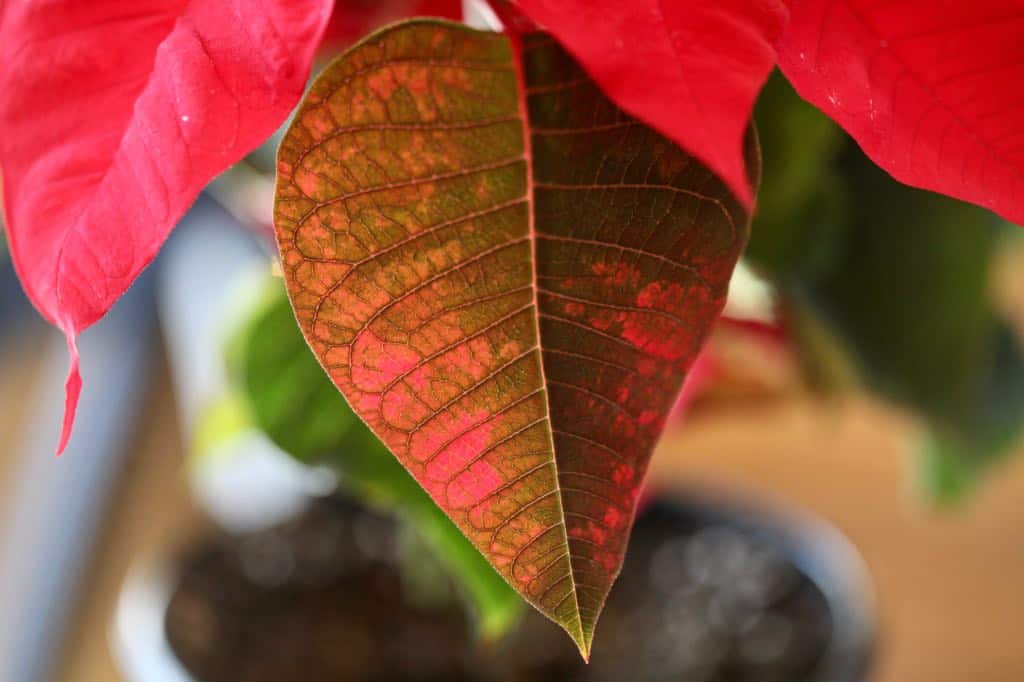
- Bracts are actually modified leaves, which have grown in a different color other than the normal green color. This is due to increased exposure to darkness.
- The more traditional red poinsettias have red bracts, however the plants are also available in many other colors, such as pink, white, variegated, and mottled.
How To Make A Poinsettia Bloom
To bloom in time for Christmas, a poinsettia will need to be subjected to periods of darkness during the short days of fall.
This timeline is a period of approximately 8 to 10 weeks before the holidays.
If done correctly, a poinsettia plant will receive reduced daylight exposure, as well as increased darkness exposure, every day.
Follow this process for poinsettia bloom, just in time for the holidays.
The Process Of Making A Poinsettia Bloom
Increase Daily Darkness Exposure
- For a poinsettia growing outside in nature, the plant will respond to the shorter daylight hours naturally. Shorter days and longer nights stimulate flower production in a poinsettia plant.
- Short-day plants require less than 12 hours of sunlight daily for flower formation.
- For indoor poinsettia plants, the process is not so simple. Poinsettia plants grown inside are exposed to increased light with indoor lighting, preventing flower formation.
- The key to stimulate poinsettia flowering is to simulate the natural short day environment of the outdoors. This is accomplished by exposing the poinsettia to periods of darkness on a daily basis, and reducing light exposure to less than 12 hours a day.
- Periods of darkness should be at least 14 a day, with periods of light approximately 10 hours a day.
When To Place A Poinsettia In The Dark
- Starting at about mid September, which is the natural time for the daylight to shorten, poinsettias should be exposed to longer periods of darkness.
- Provide at least 14 hours of total darkness per day.
- This does not mean total darkness all day however. It's important to also remove the plants from the darkness each day, to allow for daily periods of light as well.
- This is where the commitment lies.
- It can be easy to leave the plants in the darkness once they are there. I know this well, as I have done it a few times.
- However it is also important that the plants receive the necessary light for growth and energy production, every day.
Methods For Providing Darkness
There are a number of ways to provide periods of darkness for poinsettia plants.
Your method of choice make be influenced by the size of your poinsettia plant.
Some methods to enhance darkness for the plants include:
- Placing the plant into a cardboard box with a cover to provide complete darkness.
- Setting the plant into a dark closet for the required period of darkness daily.
- Using a dark cloth such as a black sheet, to cover the plant for at least 14 hours per day.
- Placing the plants into a darkened room. Aim for complete darkness if you can.
- Closing the window blinds to provide more darkness to the room. Make sure that no light filters into the room.
Duration Of Darkness For Reblooming
- Provide at least 14 hours of darkness daily to stimulate poinsettia flowering. Balance this with 10 hours of bright light daily as well, for 8 to 10 weeks.
- Bright light in a sunny window is ideal, as long as the plant is not exposed to a cold window with cold drafts.
- Have a schedule in which to place the plants into darkness with your chosen method. Remove the plants from darkness every day to provide the hours of light which they will also need for energy and growth.
- An example of a schedule is to remove from the darkness at 8 am, and place back into darkness at 6 pm.
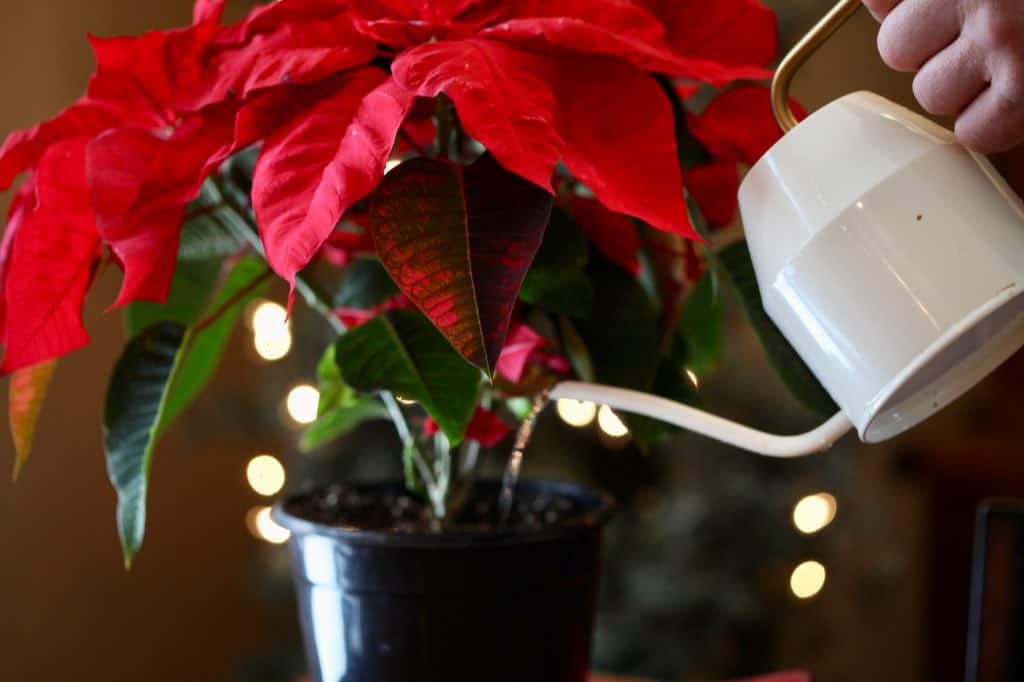
- Don't forget to water your poinsettia, when the top of the soil begins to feel dry.
- It should also be noted that indirect light is best for the plant, once it is in full bloom.
Maintain A Warm Environment
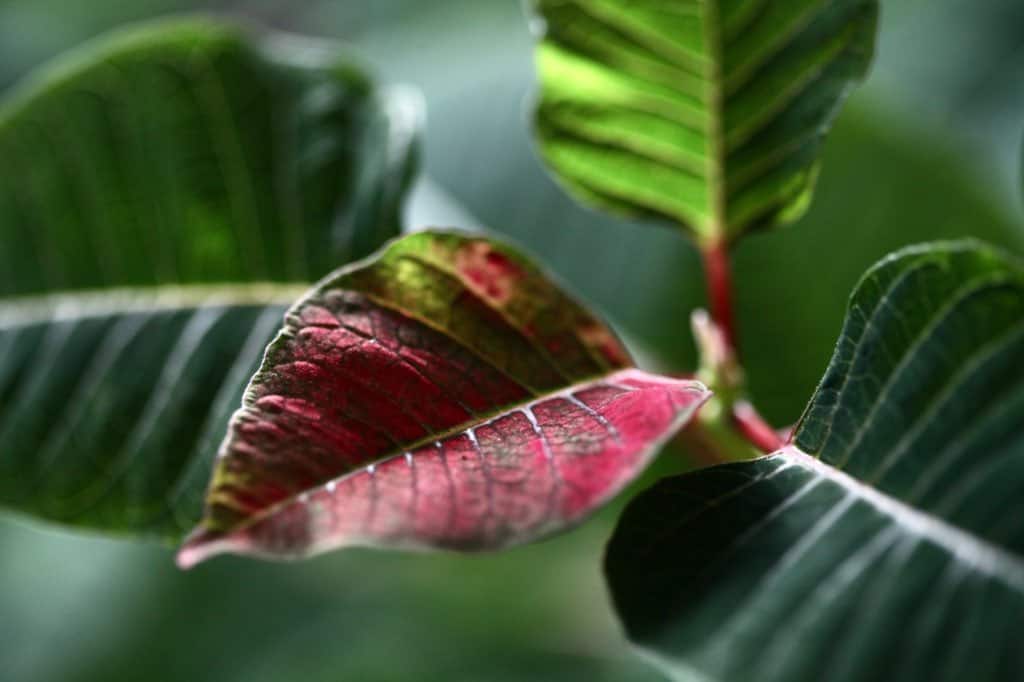
- These tropical plants will respond well to a warm environment during flower formation. Ideal room temperatures should be maintained at 20°F at this time.
- Once the plant has developed colored bracts, the temperature can be reduced slightly by several degrees. Nighttime temperatures can be reduced from 15°C to 18°C.
Pruning
- Prune your poinsettia before the short day cycle occurs.
- Pruning a poinsettia helps to stimulate new growth and also helps to keep the poinsettia plant compact.
- The pruning process should be done before the plant begins flower production, not during the time of increased darkness exposure.
- The ideal time for pruning a poinsettia plant is before September, and before the short day cycle.
- Ideally poinsettia plants will benefit from a pruning twice per year.
- The first pruning should occur in spring, sometime in April, after the flowering period. The second pruning should occur in August, before the days become shorter, and before flower production.
- August is an ideal month to prune, as this will promote healthy new growth.
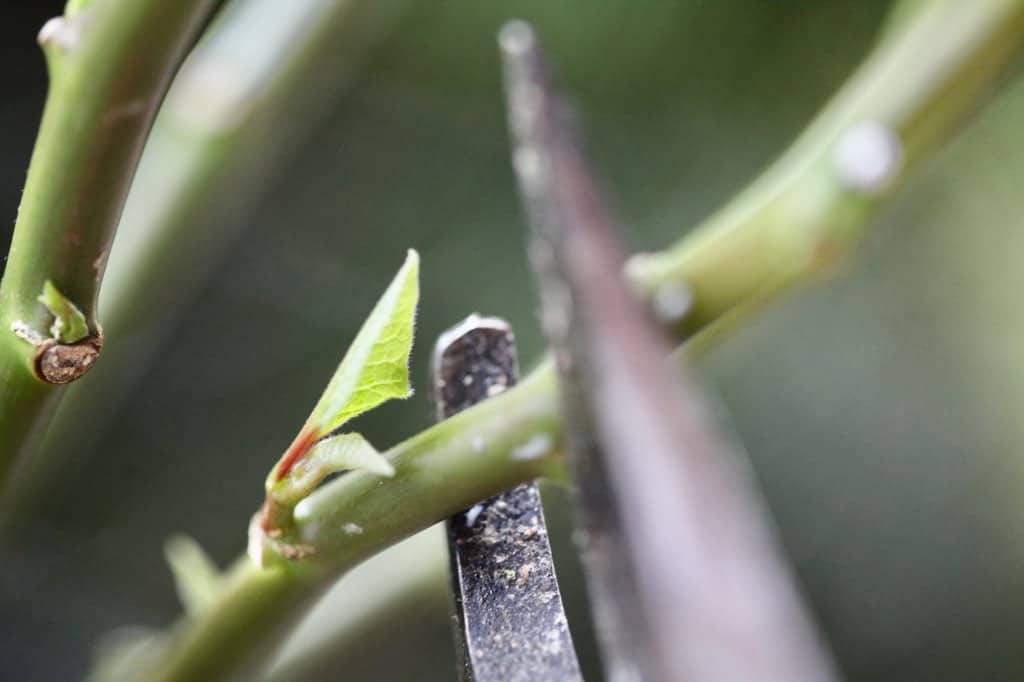
- Prune back weaker stems, and maintain the strongest branches. Cut the plant back by ⅓.
- Mist the stems after pruning, to reduce the thick milky sap excreted from the plant wounds.
Repotting
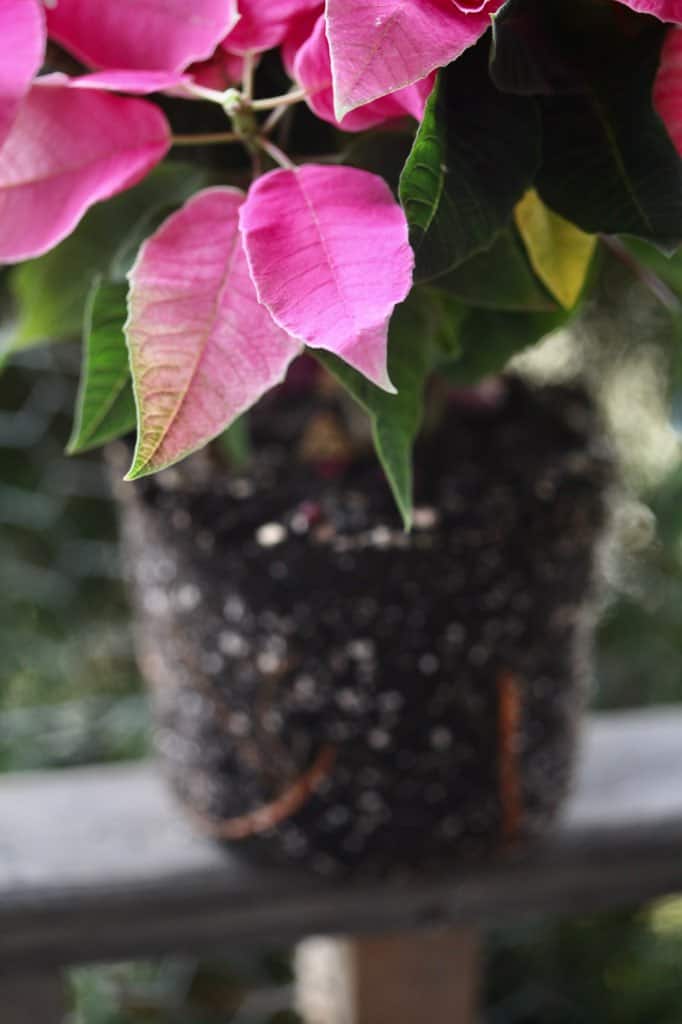
- Poinsettias often come to us in smaller pots. If you plan to keep your plant, at some point it will require repotting.
- Repotting is part of good care, which will also contribute to the health of your plant.
- The best time to transplant is in spring.
- Choose a larger pot with good drainage holes at the bottom of the pot.
- Fill the bottom of the new pot with about 2 inches of a good potting mix. Transfer the poinsettia, and fill in the sides with more of the mix, up to the surface of the soil.
- Water in well.
Fertilize
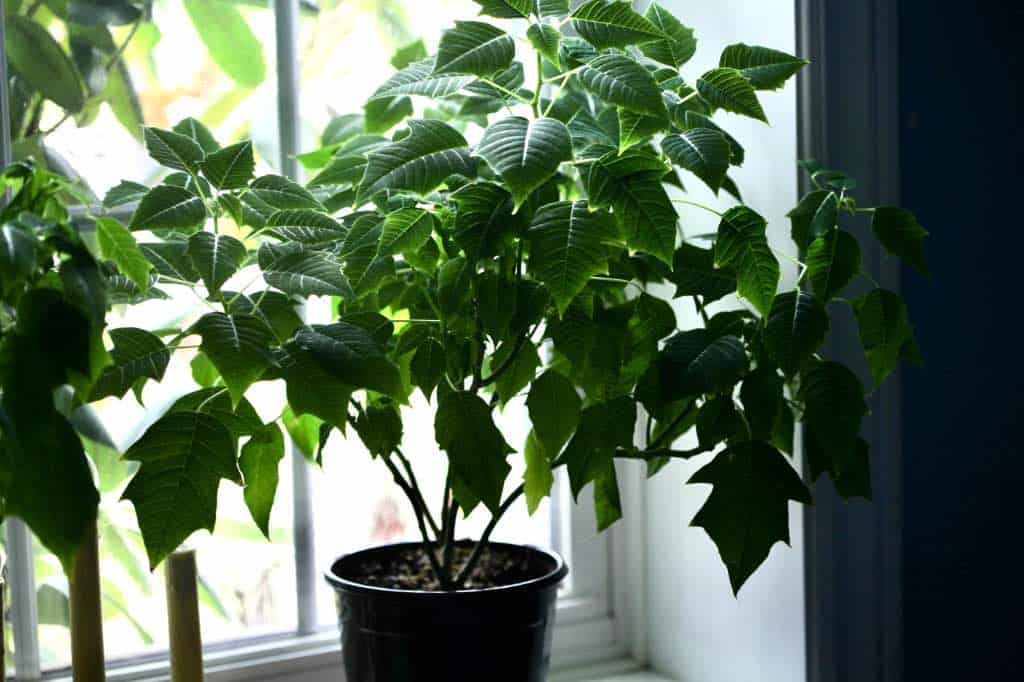
- Fertilizing a poinsettia is part of regular indoor care.
- Provide the plant with an application of half strength all purpose houseplant fertilizer once a month, starting in April.
- Continue to fertilize with this application through to bract formation.
Frequently Asked Questions
Do Poinsettias Bloom On Their Own?
Poinsettias will bloom on their own in nature, as the days become shorter. Indoor poinsettias are less affected by the short day light since they are exposed to other light sources.
If the plants receive the required amounts of darkness to stimulate flower production they will bloom on their own. Often however, they will need some assistance to reduce light exposure.
Why Is My Poinsettia Not Flowering?
If a poinsettia is not flowering, the most reasonable answer is that the plants have received more than 12 hours of light every day.
To stimulate flower production the plants must receive less than 12 hours of sunlight daily, for 8 to 10 weeks during the months preceding Christmas.
How Can I Make My Poinsettia Turn White?
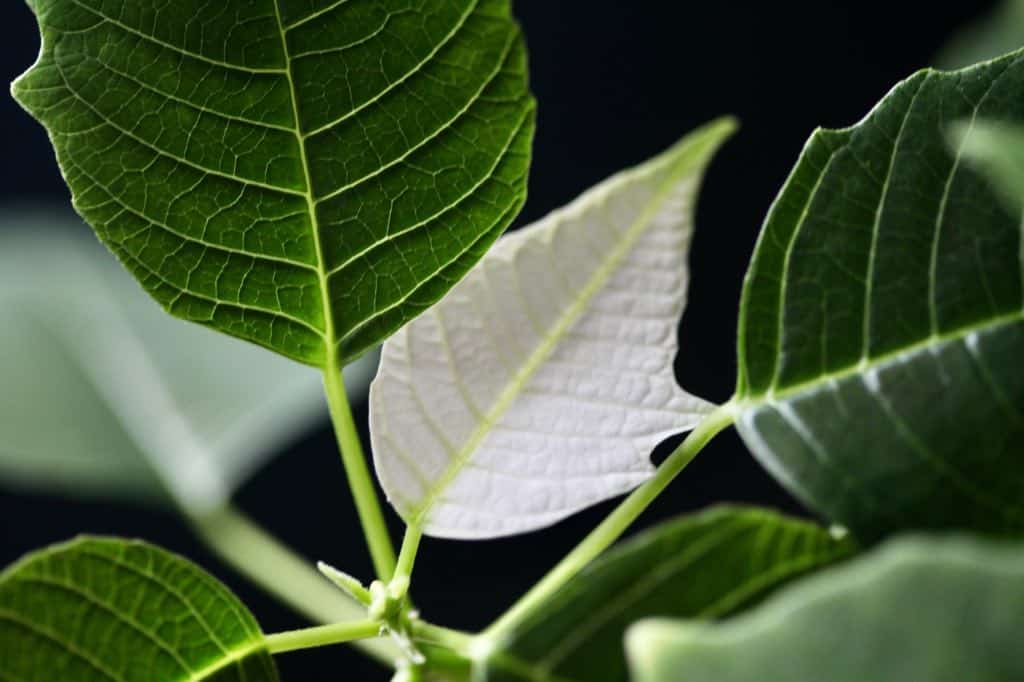
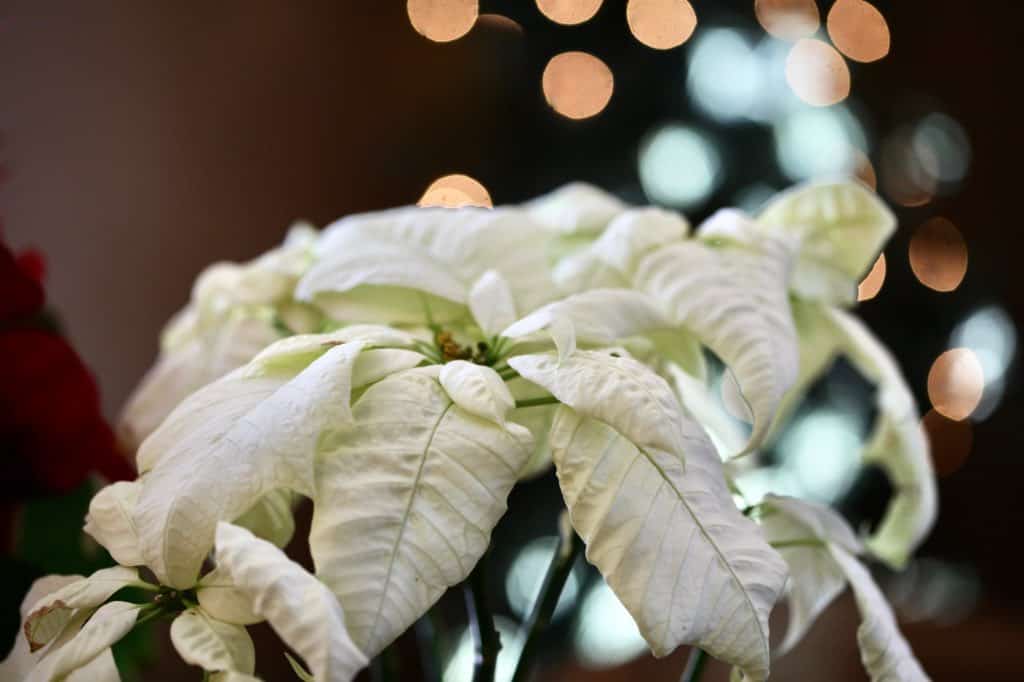
White poinsettia plants have been cultivated for their white bracts. These plants are a specific variety of poinsettia, which produce white colored bracts.
If you have a different colored poinsettia other than white, it will continue to have the same coloring when it blooms, due to the variety.
In order to grow a white colored poinsettia, you will need to find a variety with white bracts.
These varieties are very popular and are generally readily available where poinsettias are grown and available for purchase, such as your local garden center or florist.
Do You Water Poinsettias When They Are In The Dark?
Continue your regular watering schedule for the poinsettias when they are receiving their dark exposure regimen.
Remember that the plants will also have daily periods of light exposure as well, which is an ideal time to provide for watering and fertilizer care.
Give them a good watering about once a week, and allow the plant to guide you on watering time. Wait until the surface of the soil is dry to the touch before watering thoroughly.
Conclusion
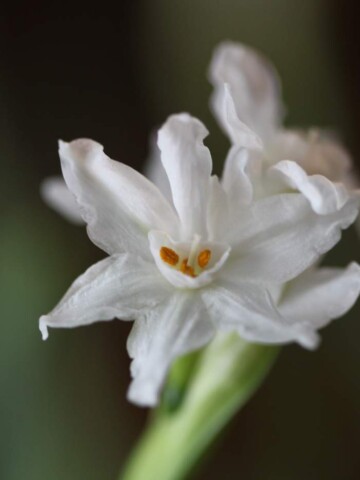
Add poinsettia to your list of indoor Christmas plants, along with paperwhites, amaryllis, wintergreen and Christmas cactus.
Poinsettia is a popular holiday plant that is often discarded after the holiday season is over.
The good news is that you can grow this plant year round, and with the right care, have it rebloom again next year.
With the proper care during the winter months to develop a healthy plant, and sunlight restriction during the fall, you will likely have more blooms on your plant again next Christmas.
Try your hand at getting a poinsettia to bloom. It's a bit of a challenge, but very rewarding when you have success.
Have you ever tried to make a poinsettia bloom? Be sure to leave a comment below to share your experience!
Other Posts You May Like:
PIN IT FOR LATER!

Leave a Reply