

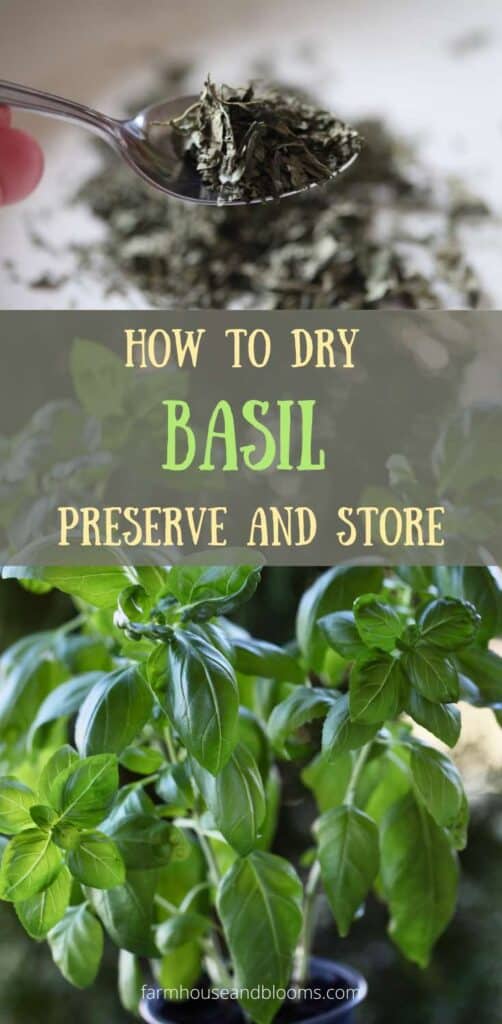
Basil is a fabulous summer time herb that is grown in many gardens, and used in many fresh summer recipes. If you grow basil in the summer, consider drying it as well. Learn how to dry basil, and make use of this wonderful herb all year round.
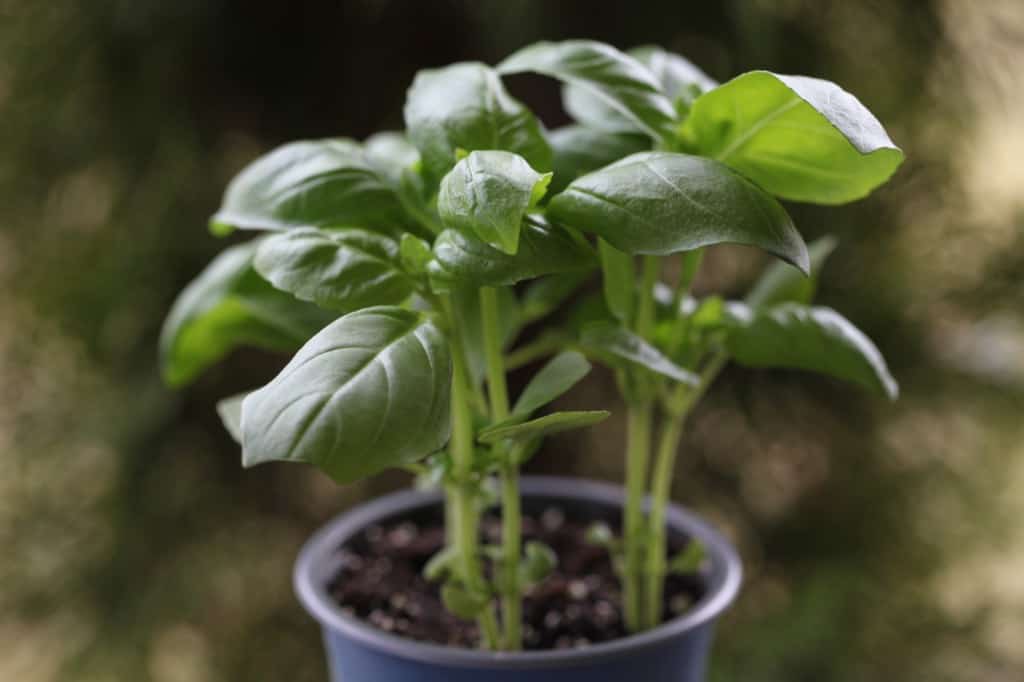
Drying basil allows you to make use of it in the winter months, as well as in the summer.
Basil is a versatile herb, and can be used both in the fresh and dried states. If you grow it in the garden in summer, harvest it for fresh use in summer, and also consider drying it for off season use.
If you have a lot of basil in your garden, drying it is definitely worth the effort.
The basil plant itself is very vulnerable to frost, and is considered to be frost tender. As soon as the first frosts of fall touch the garden, the basil plants are essentially gone.
So harvest all those extras for drying, and you will be glad that you did.
In the cold winter months when you open up the jar of dried basil, the sweet intoxicating basil aroma will bring you right back to the memories of the warm days of summer.
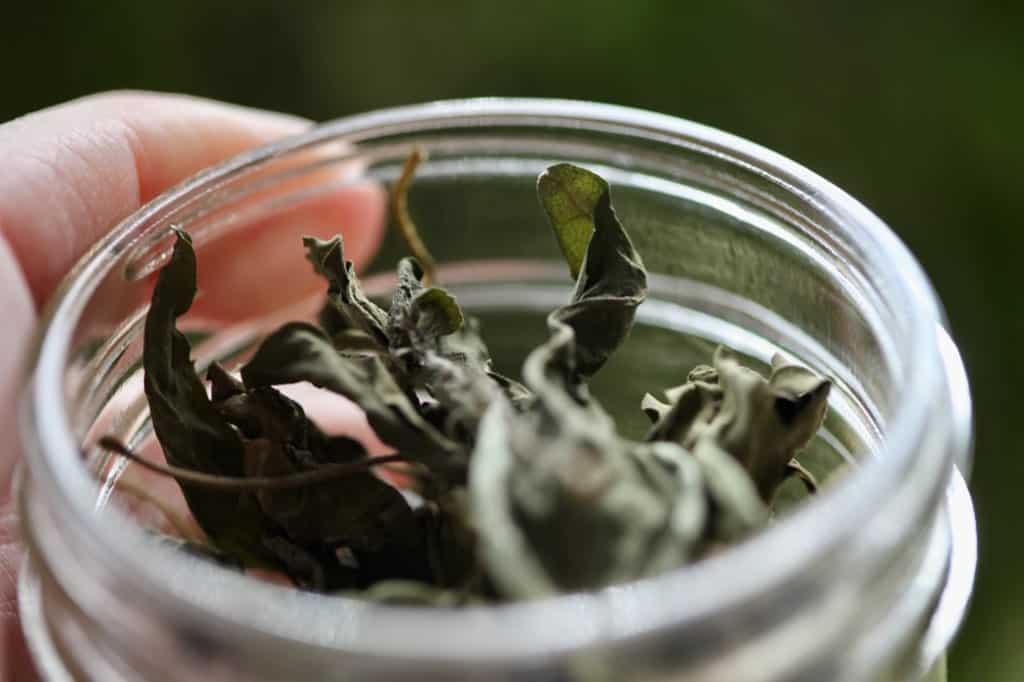
Can You Dry Basil?
Yes you can definitely dry basil. In fact it is highly recommended, in order to save your basil for a time when it no longer grows in the garden.
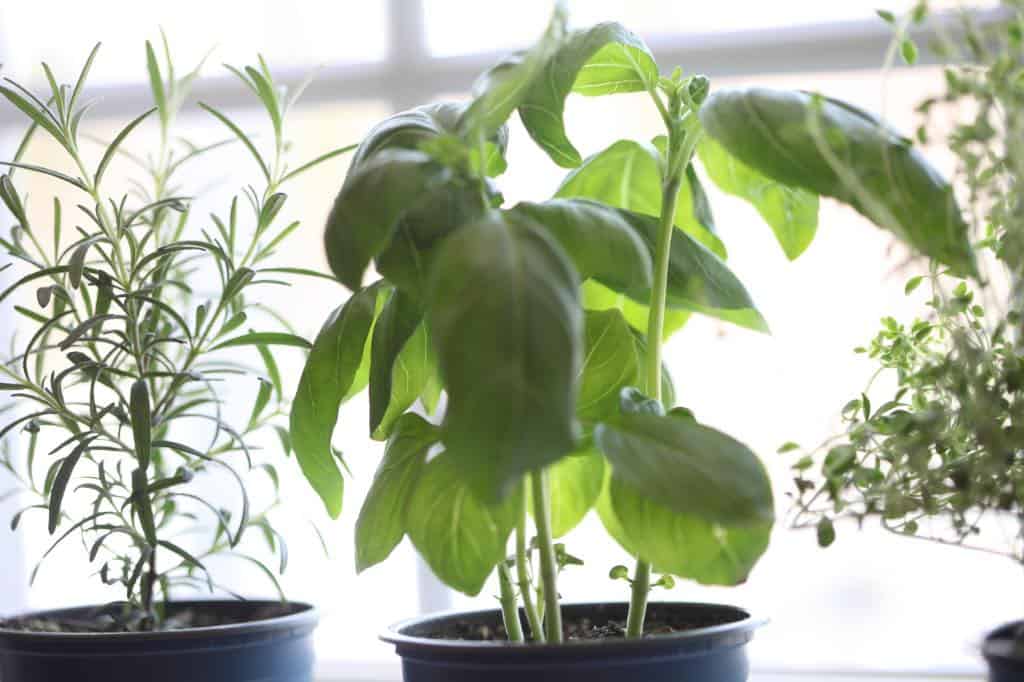
Granted, it's easy to grow basil inside on a windowsill in a small pot, throughout the winter months. By doing so you will always be able to have a few leaves for a fresh garden salad, or to put on a tomato sandwich if you so choose.
If you do lots of cooking with basil however, a small potted herb on the windowsill may not be enough.
Dried basil can offer such an aromatic ingredient to special sauces and recipes that call for basil.
So if you have lots of basil growing in your garden in summer, definitely consider drying it, to preserve it for use through the winter months.
Is It Better To Freeze Or Dry Basil?
Basil can be frozen in a pureed form along with olive oil, and stored in the freezer in baggies for up to four months. The flavour of the frozen basil is mostly maintained, when stored in this manner.
Dried basil's flavor will reduce over time, however it will store longer than the frozen. The shelf life of dried herbs is typically 1 to 3 years before expiry.
Over time the flavour of all dried herbs, including basil, will be reduced.
So is it better to freeze or dry basil?
- Frozen basil will have a better flavour and yet not last as long. Dried basil will get you through the winter.
- Both have their positives and negatives, and in the end it's a personal choice.
- You can also preserve your basil both ways.
How Much Fresh Basil To Dry Basil?
Consider the drying or dehydration process, and what is actually happening to the basil leaves.
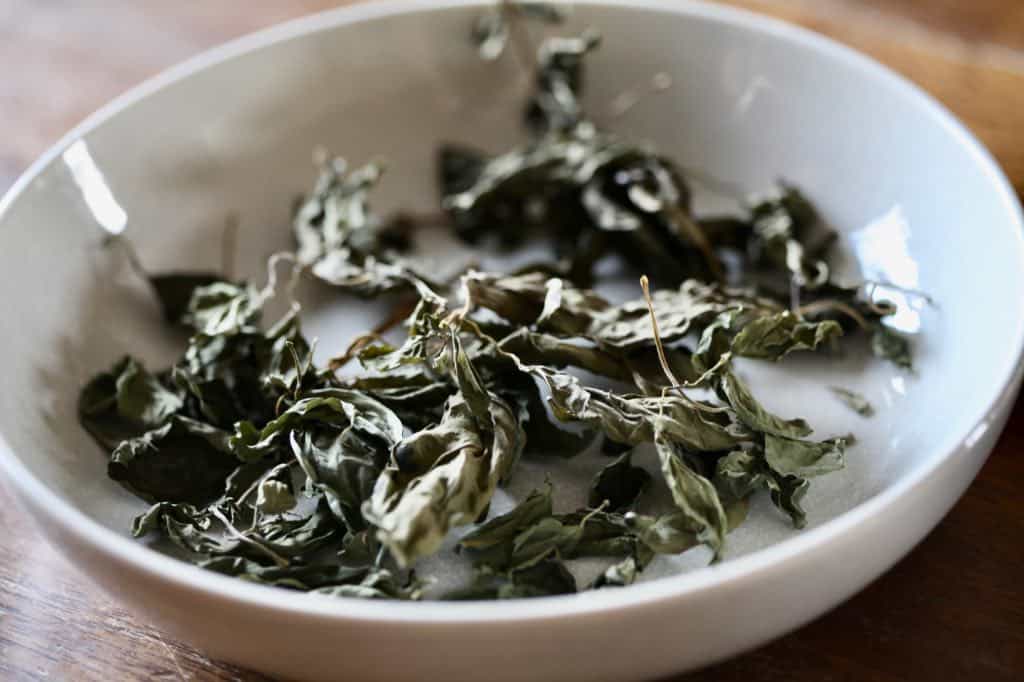
When dehydrating, the moisture is removed from the leaves, causing a reduction in volume. The taste is still present, as well as the nutritional value, it's just in a smaller package per se.
Dried herbs are more potent than fresh herbs and have a stronger flavor. This goes for basil as well.
So if a recipe calls for fresh herbs, and you are using dried, you will need a smaller amount of the dried.
For example, use approximately ⅓ of the amount of the dried basil when substituting it for fresh basil.
How Do You Dry Fresh Basil Leaves?
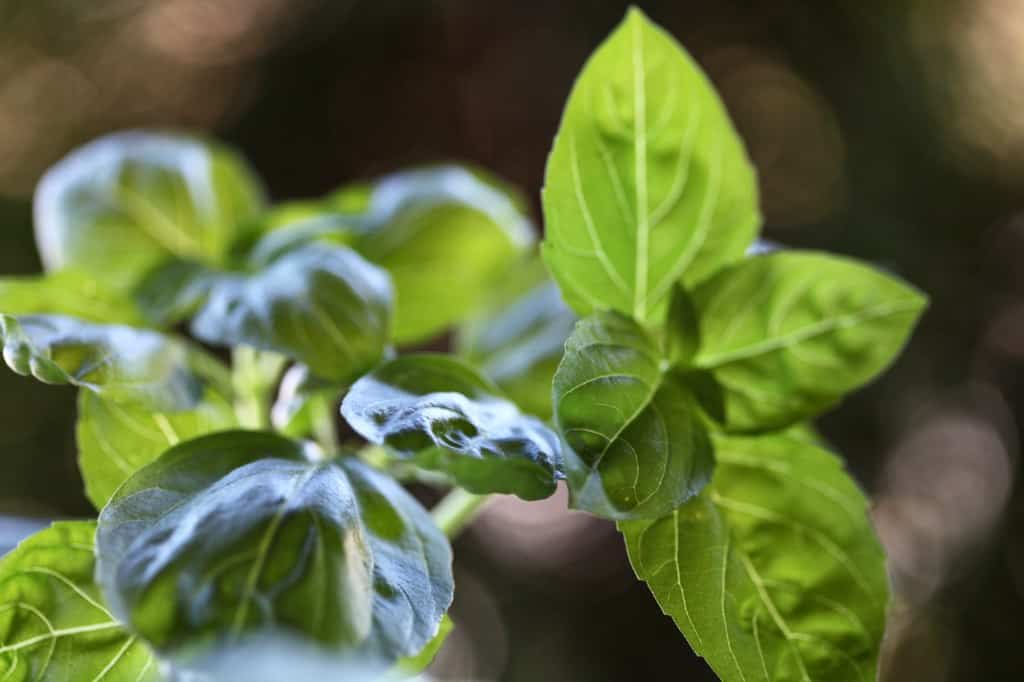
Harvest The Basil From The Garden (Or Pot)
- When you are ready to process the basil for drying, the first step is to harvest the leaves.
- Harvest early in the day for best quality, and morning time is best, before the heat of the day.
- The best way to harvest the basil is by cutting the stems of basil deeply on the plant.
- Try to leave part of the stem on the plant, along with some leaves, so the basil will regrow.
- Gather the harvested basil into a basket or bowl, and take only enough for drying.
- If you have lots of extra basil in the garden that you plan to dry, leave it in the garden until you are ready to process it. Otherwise it may wilt.
- After harvesting the basil, if you are unable to dry it right away, make sure to place the basil stems in water to keep them from wilting.
Do You Wash Basil Before Drying?
- If you have picked your basil from the garden, it's a good idea to rinse it well in cool water to remove any dirt, debris or bugs. Just place in a colander and give it a good rinse under the tap.
- Allow the leaves to drain for about ten minutes. You can also use a salad spinner to remove the excess water.
- After the water had drained from the basil leaves, it's now time to process it for drying.
Preparing The Basil For Drying
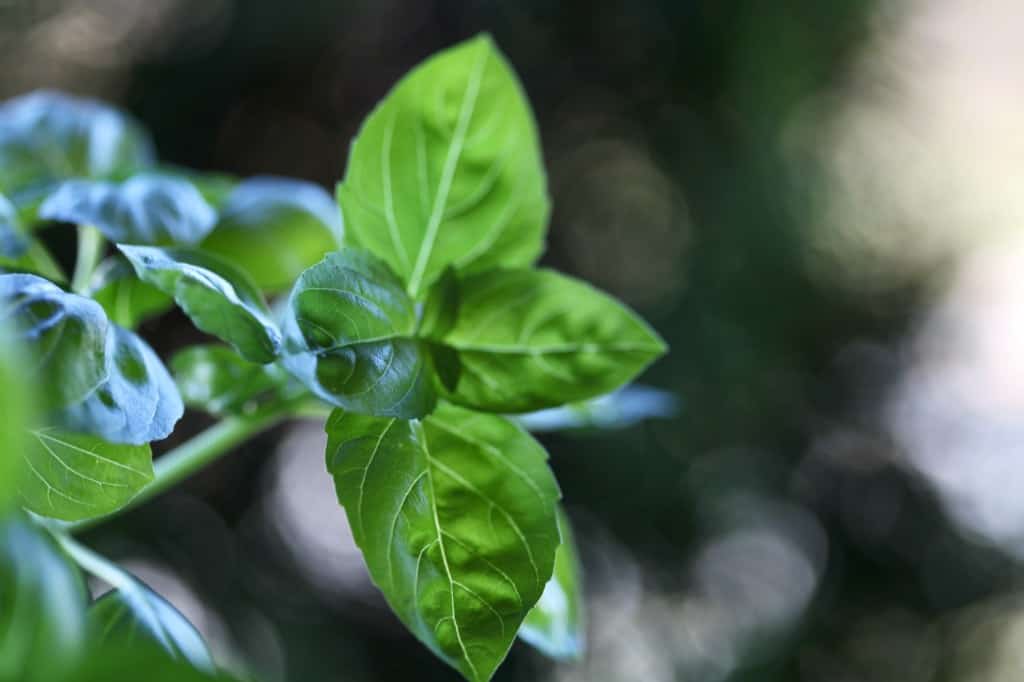
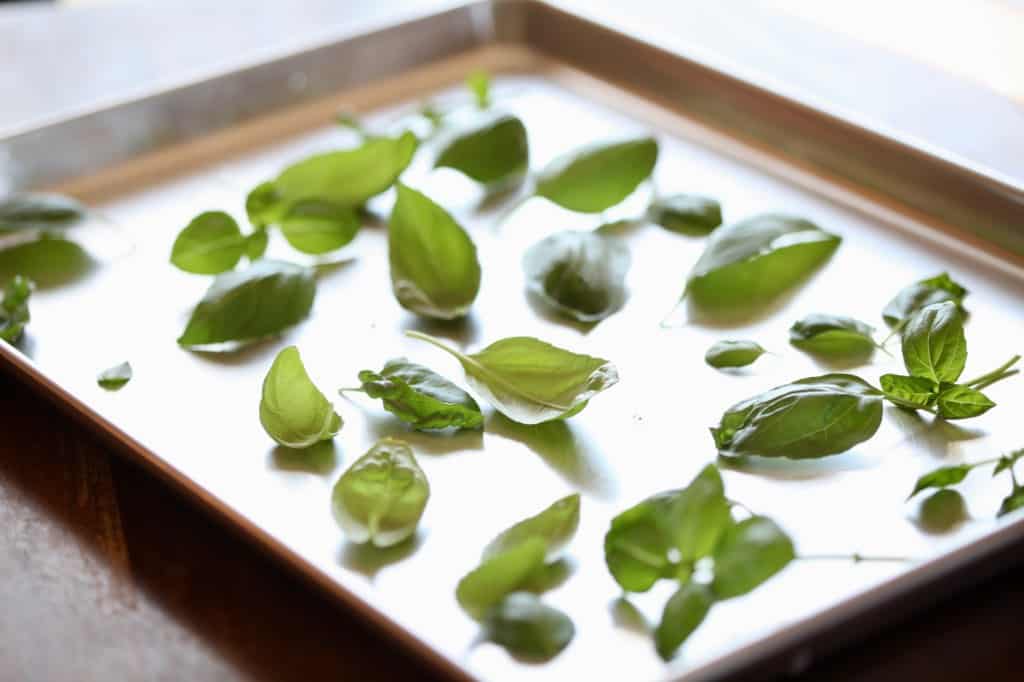
- If you are drying the basil in a standard oven, it is a good idea to pick the individual leaves off the stems. Place the leaves on a baking sheet without the stems for drying, which will make the after drying preparation and storage a bit easier.
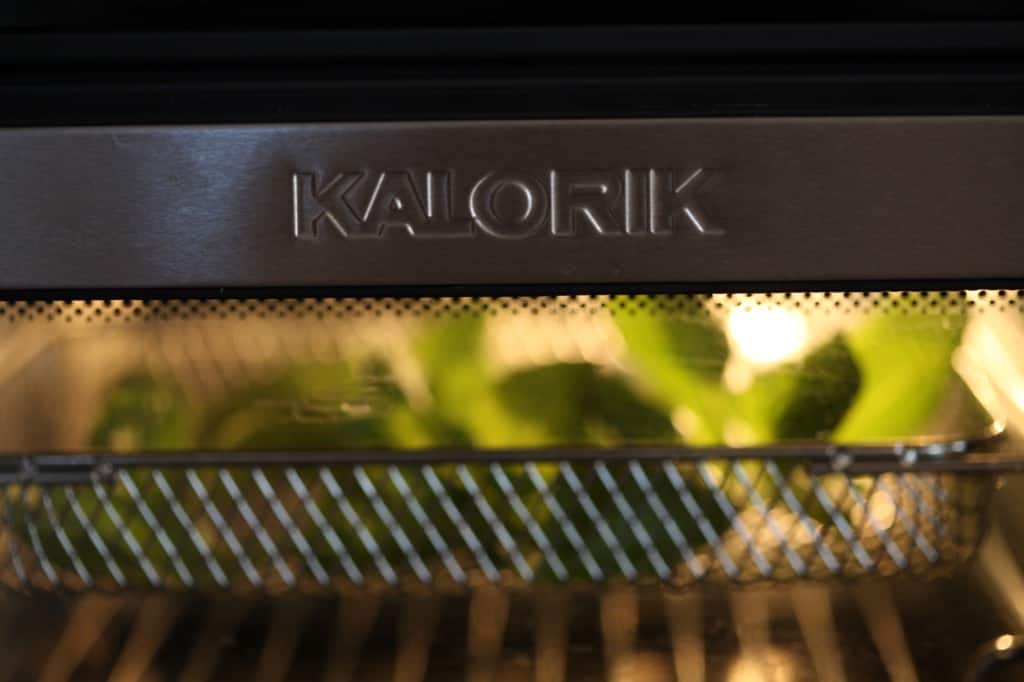
- If you plan to use a method for dehydrating that has air flow, such as a food dehydrator, air fryer, or convection oven, it is a good idea to leave the stems in place for weight. The stems are easily removed after drying.
- I find that any of the methods for dehydrating or drying herbs that involve a fan and air flow, will blow around the leaves inside the unit, especially when they start to dry out and become lightweight.
How To Dry Basil Without It Turning Brown
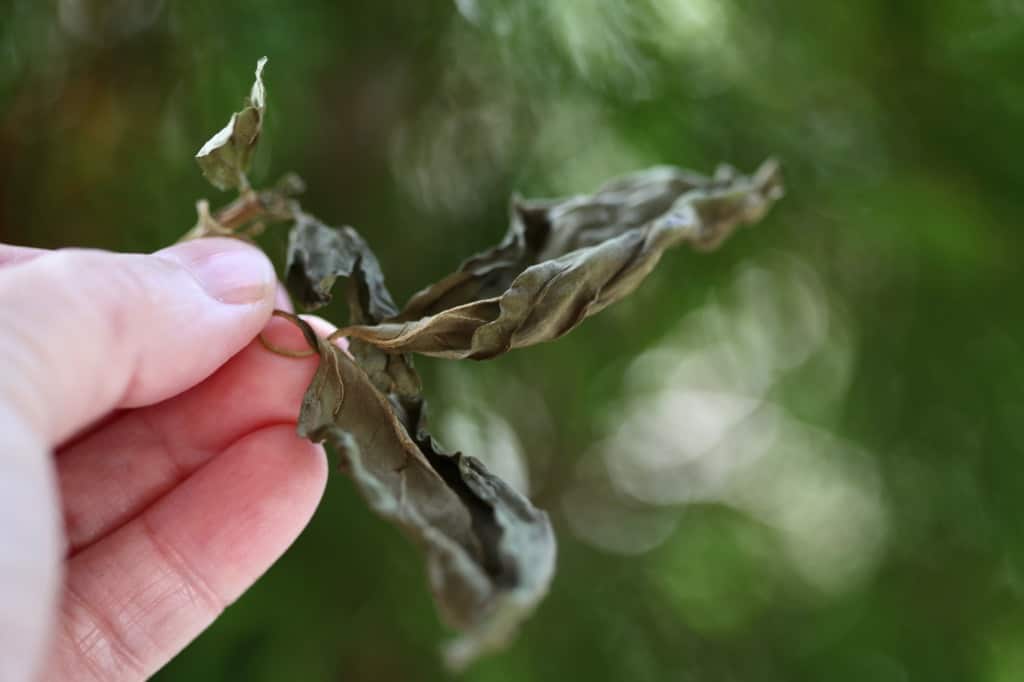
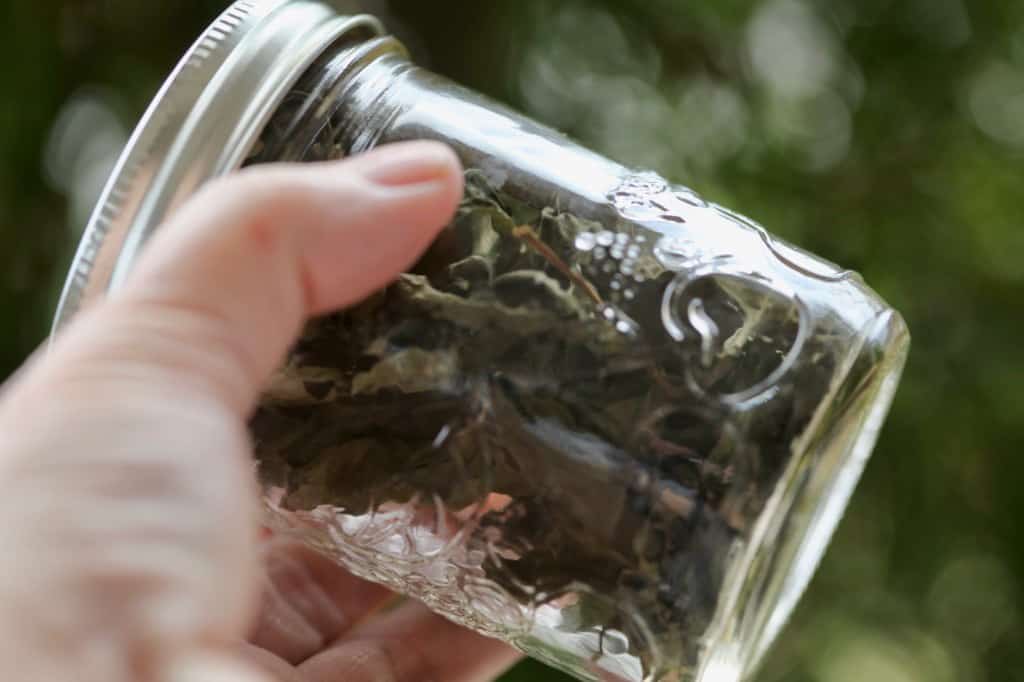
When the bright green basil leaves are exposed to heat during the drying process, they will change from a bright green colour to a dark green smoky colour.
This happens fairly quickly during the drying when exposed to heat, no matter which technique you use to dry the herb.
The dark smoky green colour is maintained in the dried leaves.
If air drying, dry away from heat and light to prevent the leaves from turning brown.
Different Methods For Drying Basil
How To Air Dry Basil
- Air drying basil is a simple method of drying this aromatic herb.
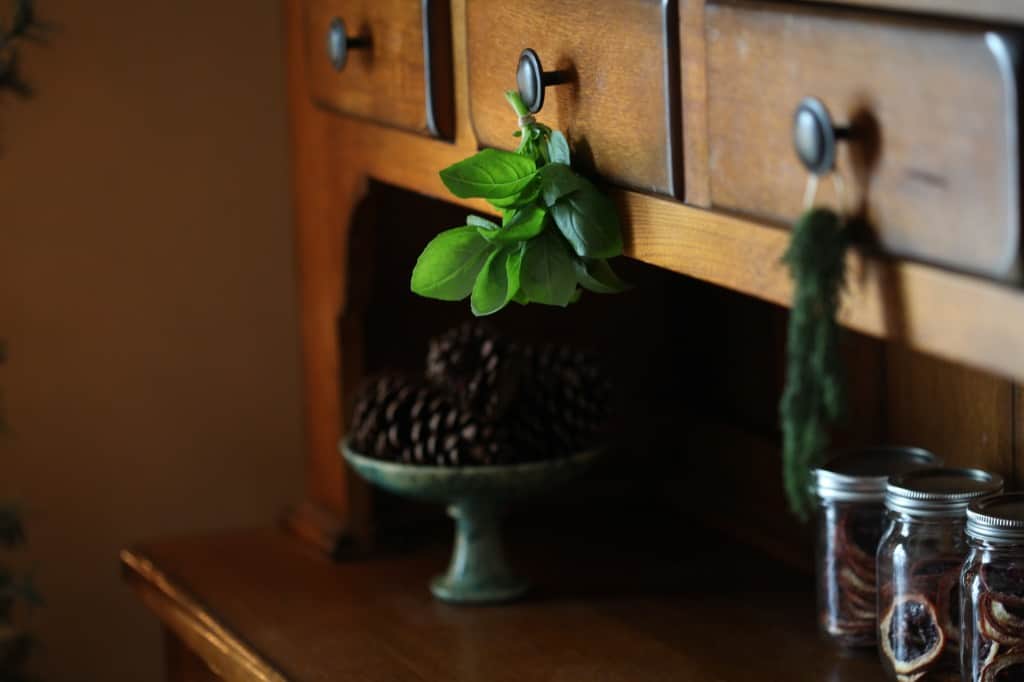
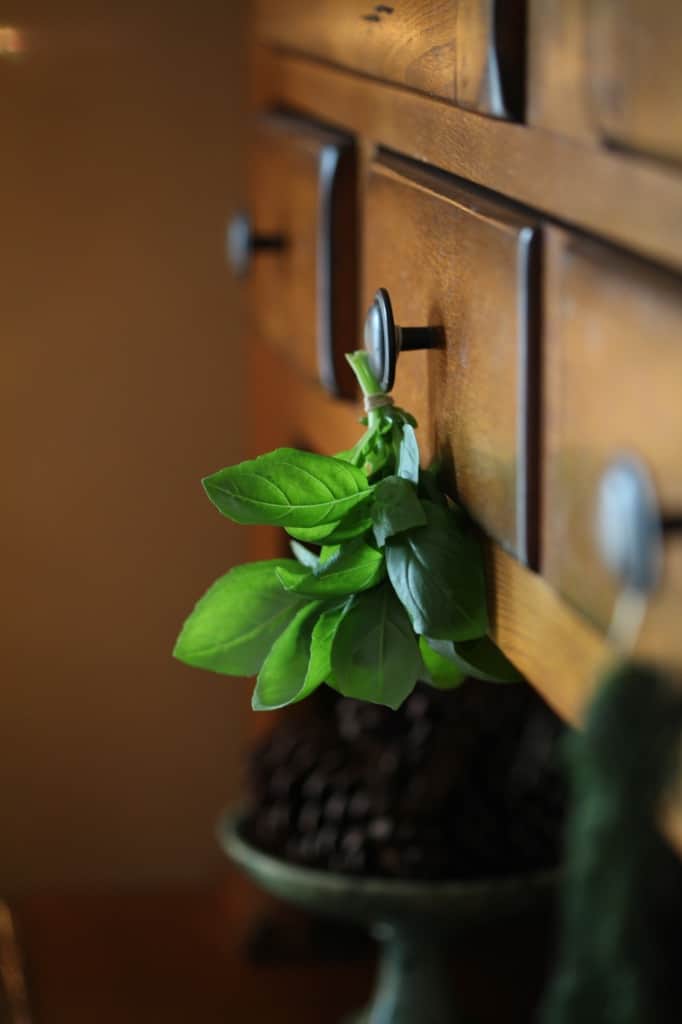
- To air dry basil gather a bunch of basil stems, and tie them together at the bottom of the stems using a rubber band.
- The elastic will help hold the stems together as they dry and shrink. If you tie them with string, they sometimes have a tendency to fall out of the bunch as they dry and shrink.
- Hang the bunch or bunches of basil upside down, on any suitable hook or knob.
- The key is to find a dry location away from direct sunlight, to prevent browning. There should also be good air circulation in the drying location.
- I often dry herbs by hanging bunches on the knobs of my kitchen hutch.
- If you are air drying many bunches of basil, consider hanging from a drying rack or a drying line, as discussed in this post for drying flowers upside down.
- Allow to dry completely, and then remove and process for storing, when the basil is completely dry. Dry leaves will be crispy and crumble when touched.
How Long Does It Take To Air Dry Fresh Basil?
- It may take the basil bunches up to four weeks to completely dry.
- Drying time will depend on the dryness or humidity of the drying location, as well as the size and thickness of the leaves.
How To Dry Basil In The Oven
- Oven drying is perhaps the simplest method and easiest way for drying this herb.
- Turn the temperature in the oven down to the lowest setting. In my oven, the lowest temperature setting is 170°F.
- Place the wash, rinsed and prepared basil leaves on a baking pan or cookie sheet in a single layer.
- Place the basil into the oven and begin the drying process on this low heat.
- The leaves in the oven should dry within approximately 1.5 hours, depending on size and thickness. If you have large leaves, they may take a bit longer.
- When completely dry, the leaves will be dry and crispy, and easily crumbled.
- If the leaves have reached this state, they are ready to be removed from the oven.
- Allow the dried basil to cool.
- When cool, it will be ready to process for storage.
How To Dry Basil In Air Fryer
- The air fryer is great for drying and dehydrating herbs in general, such as drying mint leaves for tea.
- It's important however to make sure that you have the dehydrate setting on your air fryer for this project.
- If you have an air fryer with a dehydrate setting, you will be able to dehydrate and dry your basil in the air fryer.
- It is important to use this setting, otherwise you will be cooking, rather than drying the basil leaves.
- Keep the stems on the basil to help weight the leaves down, as the air fryer has a strong fan that can blow the lightweight leaves around.
- Place the basil in the air fryer basket.
- Dehydrate at 135°F on the dehydrate setting on the air fryer, for approximately 3 hours.
- It is important to know that air fryers may have different drying times, depending on individual brands and machines.
- So keep an eye on the drying basil throughout the process, and remove when the leaves are dry and easily crumbled.
- Remove from the air fryer when dried, and allow to cool to room temperature.
- When cool, process for storage.
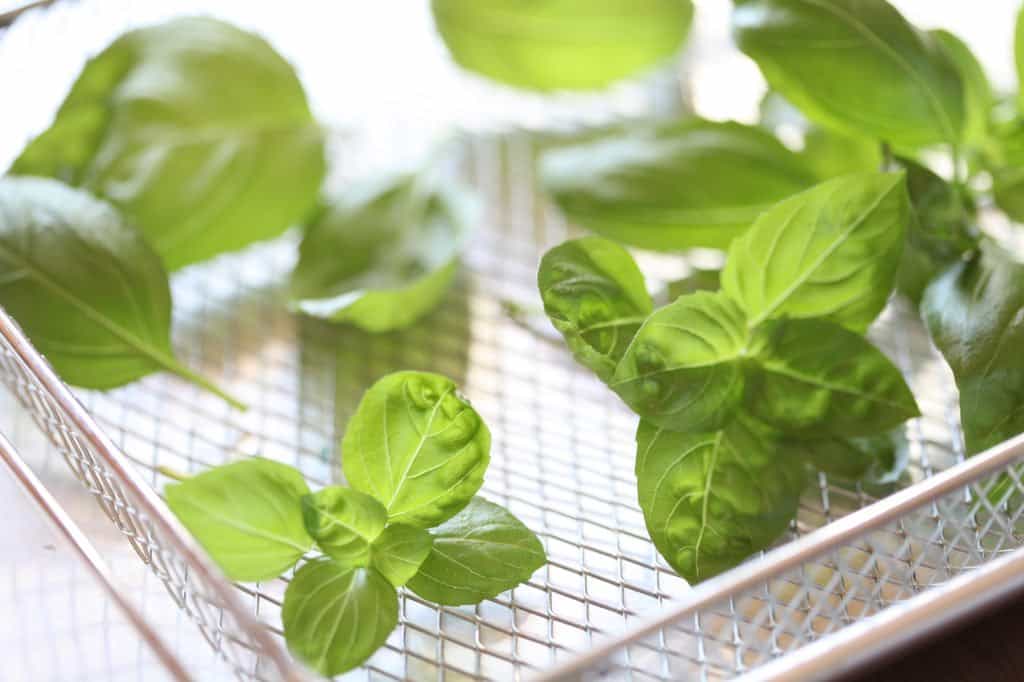
How To Dry Basil In A Dehydrator
- Drying basil in a food dehydrator is yet another simple method for drying and dehydrating this delicious herb.
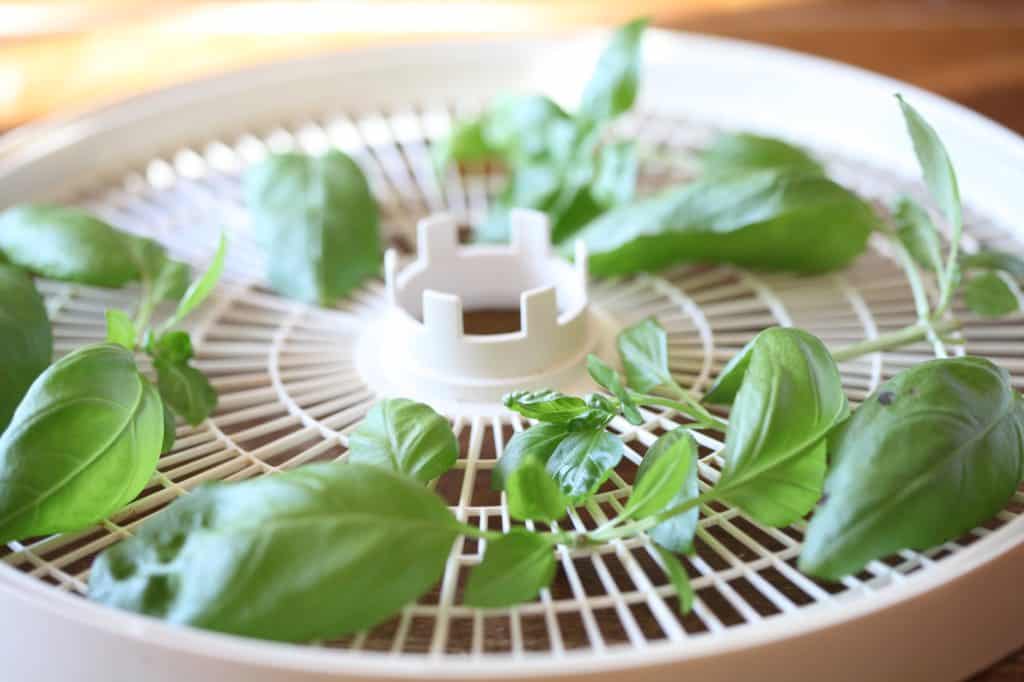
- Again, since the dehydrator is likely to have a strong fan and air movement, keep the leaves on the stems if you find that the dehydrator tends to blow them around.
- Taking the leaves off the stem after drying is no more labor intensive that taking the leaves off the stems before drying.
- Place the basil on the dehydrator trays in a single layer.
- Dehydrate on the vegetable and fresh fruit setting, which is 135°F.
- Dehydrate for approximately 2.5 hours, or until crispy and dry.
- Remove from the dehydrator when dry. Allow to cool.
- When cooled, it is time to process for storage.
Processing Dried Basil For Storage
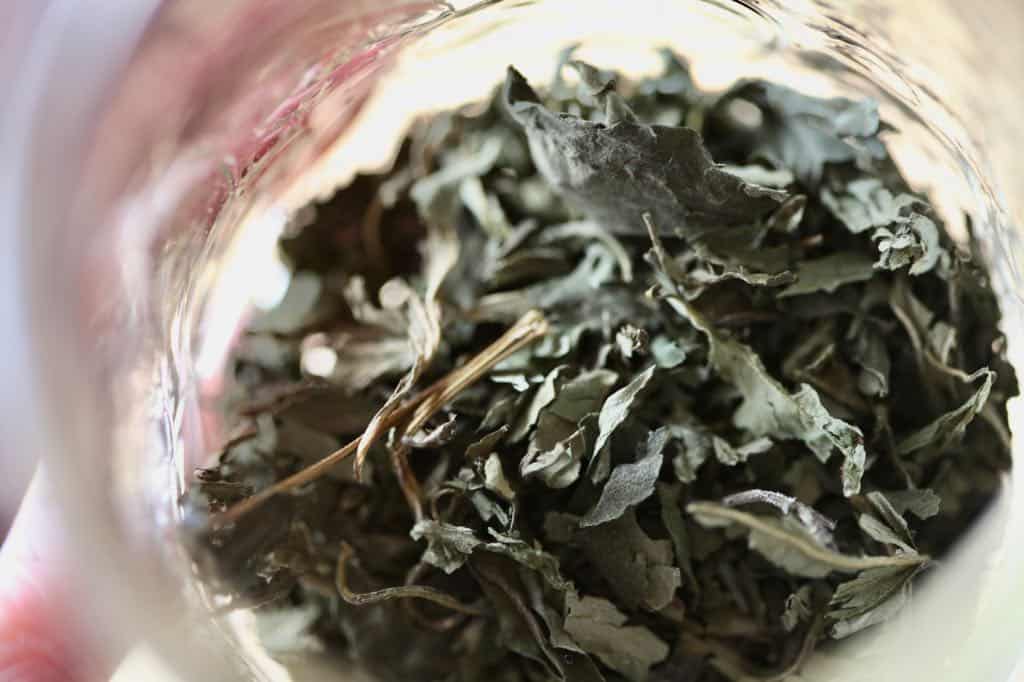
You can store the basil in the dried state, as is, with whole leaves and stems attached.
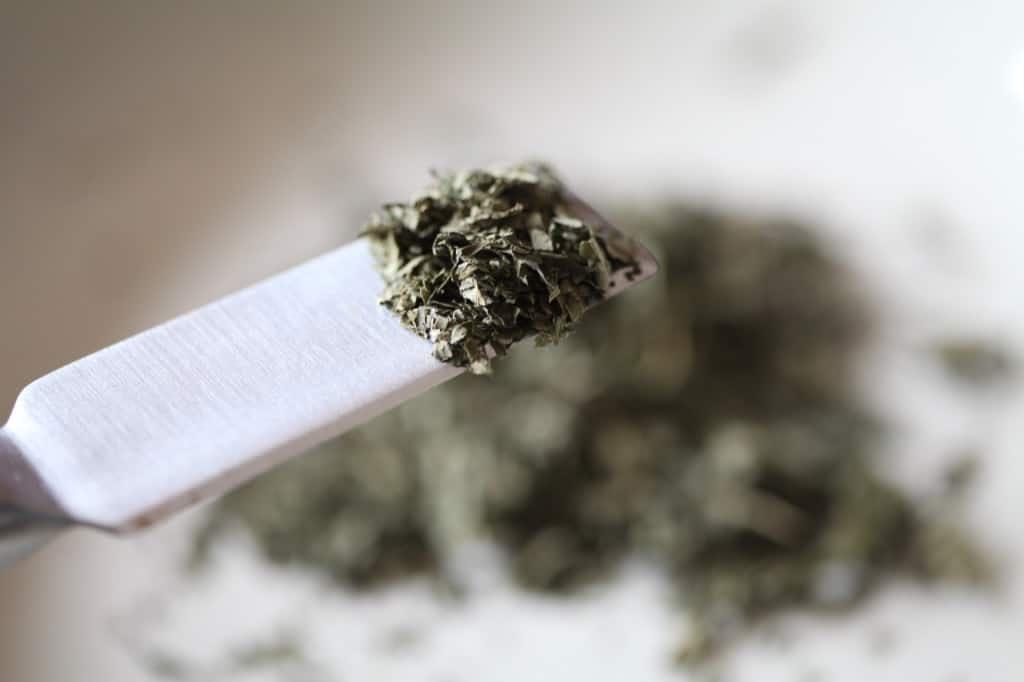
You can also process the leaves, removing them from the stems, and crushing them to further decrease the volume for storage purposes.
To process the basil:
- Remove the leaves from the stems, and discard the stems.
- The dried leaves usually easily fall apart and crumble as they are removed from the dried stems.
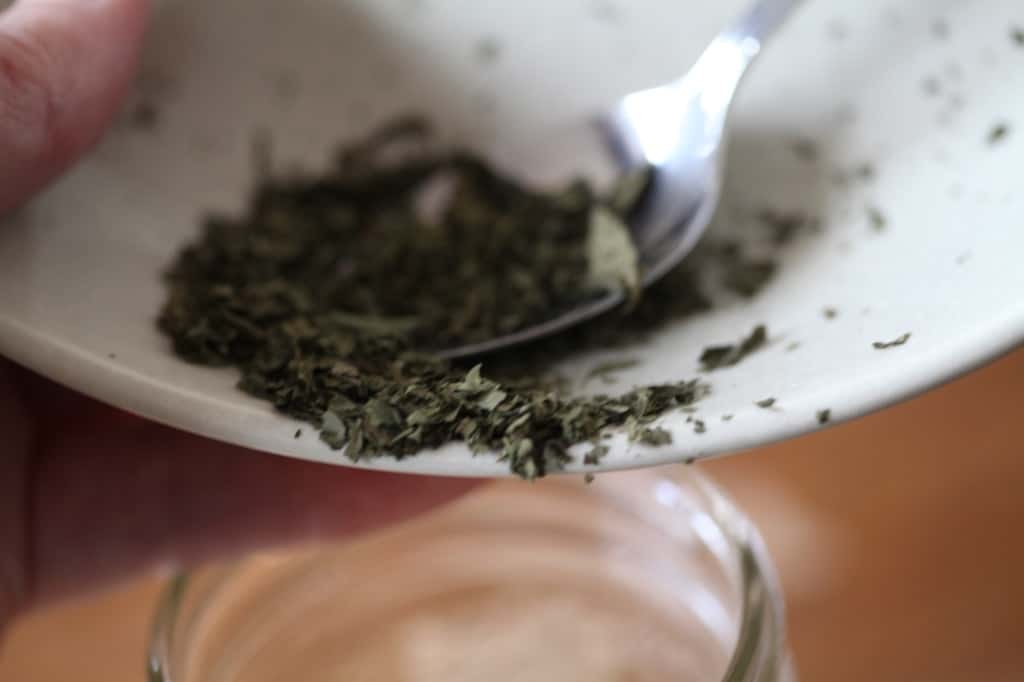
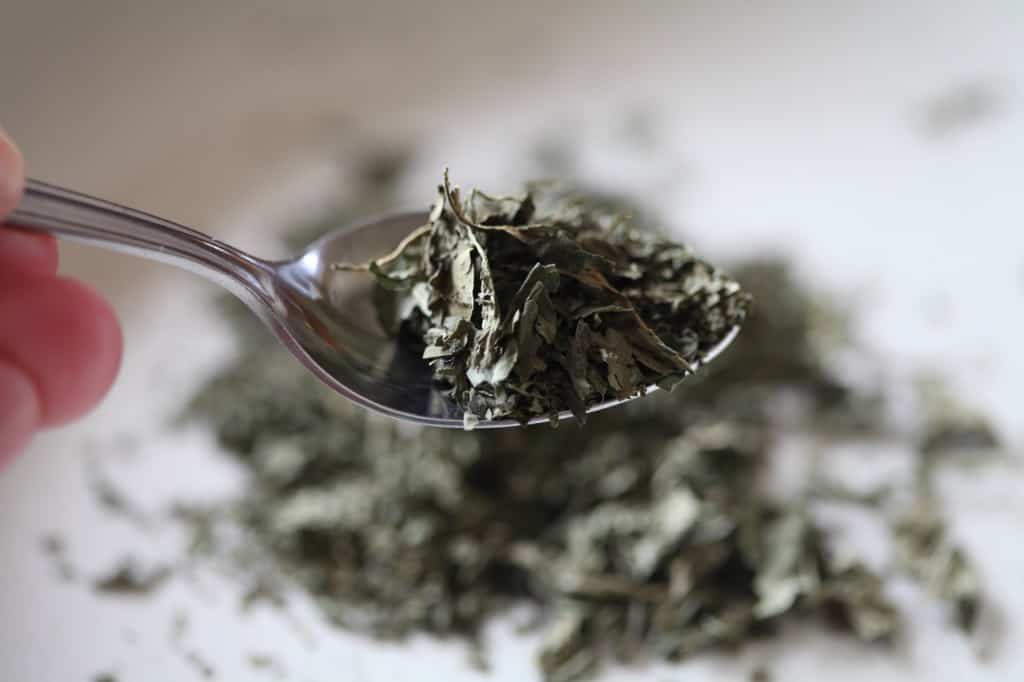
- Place the leaves into a bowl and manually crush with a spoon.
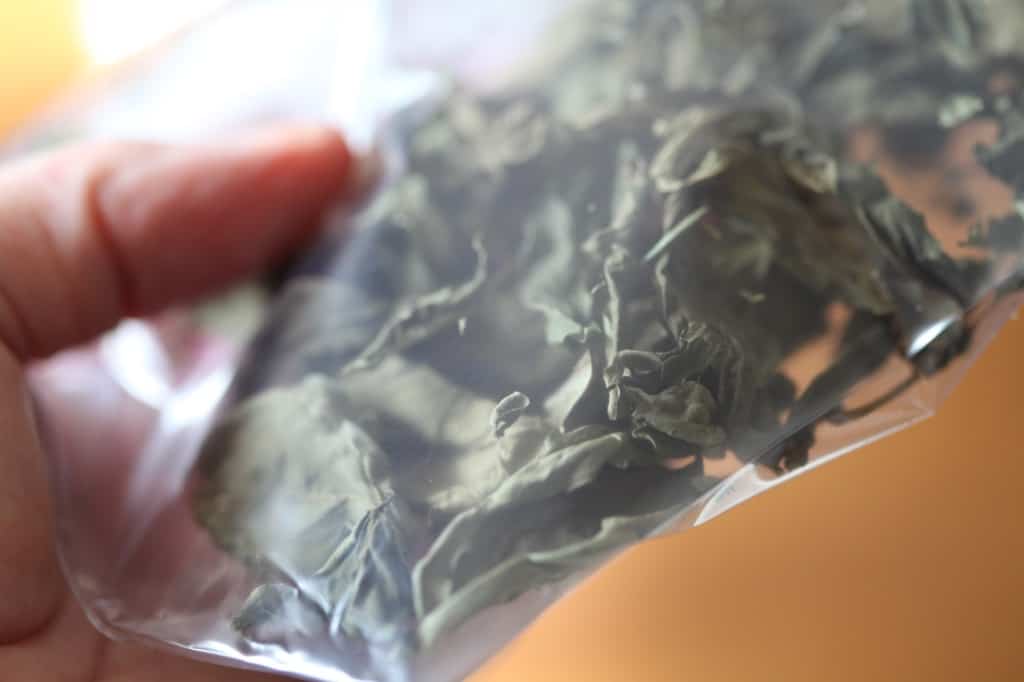
- Alternatively you can also place the dried leaves into a plastic bag such as a freezer bag, and crush the leaves by squeezing the outside of the bag.
- The leaves crush very easily with a light squeeze.
How To Store Dried Basil
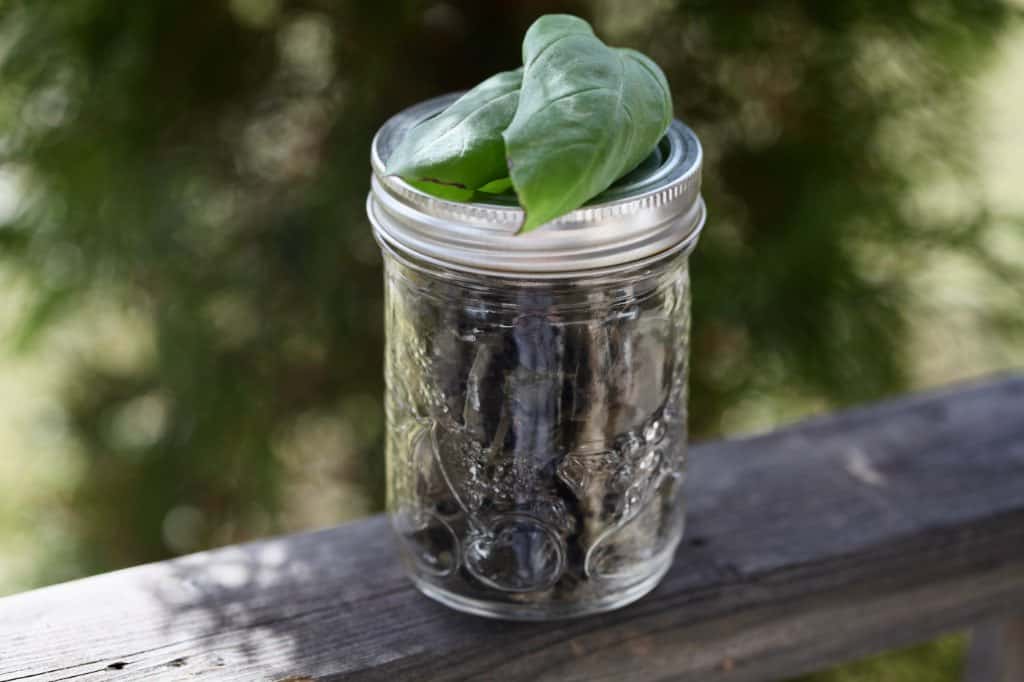
- Basil should be stored in an air-tight container such as a glass jar, in a dry and dark place.
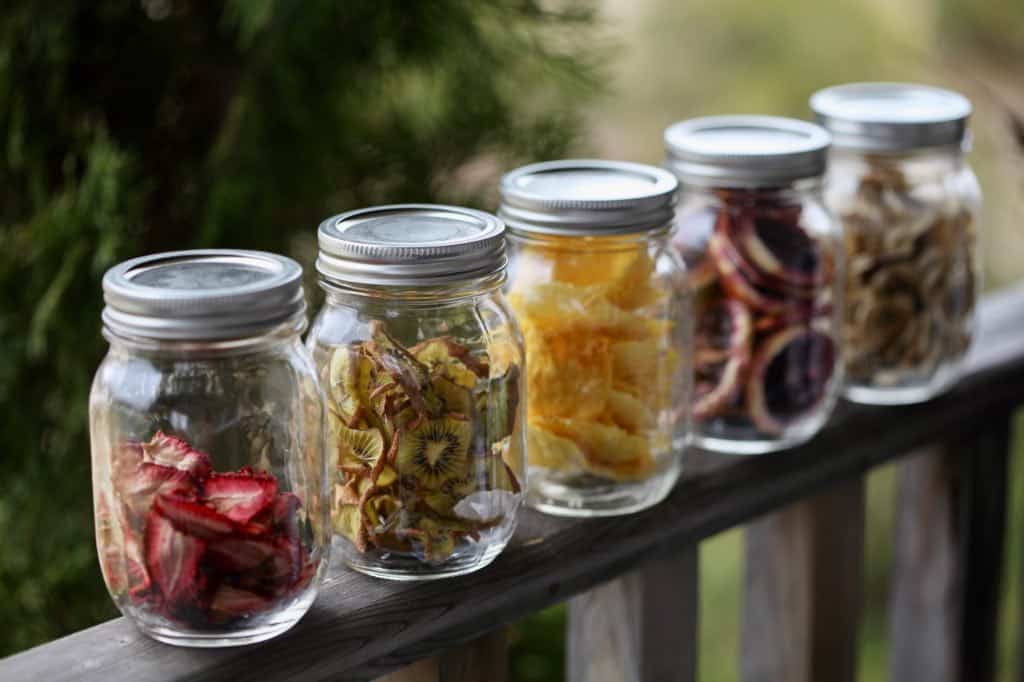
- I like to use mason jars to store dried herbs and fruits. The bottles are easy to store, and the dried foods are easily identified.
- Spice jars are another option.
- Label the jar with the name of the herb and the date of drying.
- Dried basil will be able to store for approximately one to three years.
- Store in a dry place.
How To Use Dried Basil
- Dried basil is fabulous in recipes such as bruschetta, pesto and marinara sauce.
- Use it on fresh salads and pastas.
- Dried basil can also be used to season fish, chicken and meat.
- Add it to Italian tomato sauces, soups, and spice up any recipe.
- If you are using your own basil, you are in total control of the goodness of this wonderful dried herb.
Conclusion
Drying basil is very easy, and is a wonderful way to preserve this tasty herb.
Dry as much basil as you want, as the herb is long lasting in the dried form.
The process of drying basil will fill your home and kitchen with an amazing fresh scent.
It is one that will likely be repeated, just for the aroma you that is experienced during the drying process itself.
Then in the winter months, just opening the bottle brings back memories of the garden in summer months.
If you have some extra basil from the garden or farmer's market, consider drying this herb. It is well worth the effort.
I will be planting extra basil in the herb garden next growing season, and looking forward to drying the extras.
Have you ever tried to dry basil? Be sure to leave a comment to share your experience!
Other Posts You May Like:
PIN IT FOR LATER!



Leave a Reply