

Muscari, also known as grape hyacinth, is a beautiful and easy to grow flower that adds a touch of charm to any garden. Most often propagated by planting muscari bulbs, these flowering plants can also be started from seed, which is collected from the plants at the end of their seasonal cycle. Learn how to collect muscari seeds, and fill your garden with these delightful flowers.
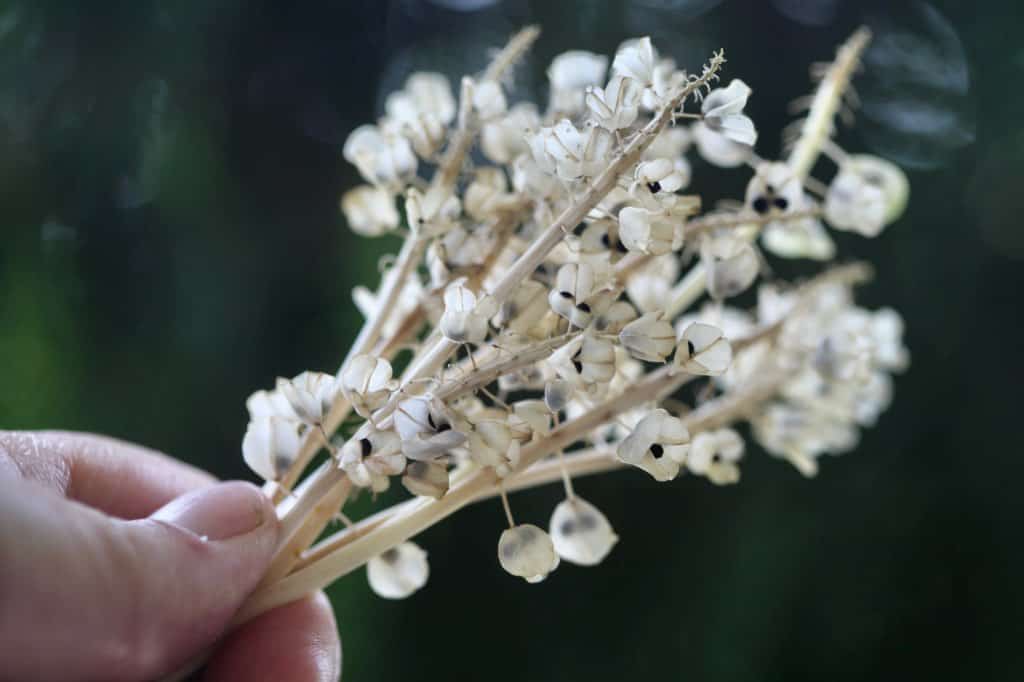
To collect muscari seeds, allow the seeds to mature on the muscari plants for best viability. Harvest ripe seed when the seed pods become dry and brown, and begin to crack open. The best time to harvest is about 2 months after blooming and pollination.
Follow along to learn more about collecting muscari seeds.
Why Collect Muscari Seeds?
Collecting muscari seeds offers a number of benefits, both for gardening enthusiasts, as well as for the environment.
1. Propagation And Garden Expansion:
Collecting the muscari seeds is an economical way to propagate these perennial plants, without needing to purchase additional bulbs. By propagating the plants from seed, you can expand their presence in your garden landscape.
2. Genetic Diversity:
By collecting seeds, you can help to maintain and enhance the genetic diversity of your muscari plants. The seeds collected from your garden will be well adapted to your local growing conditions, potentially creating stronger and more resilient plants.
3. Conservation
If you have unique or rare muscari cultivars, preserving the seeds can help to contribute to the biodiversity of the species.

4. Sharing With Others:
Saving seeds can offer an opportunity to share your seeds with others. Share with fellow gardening enthusiasts, community gardens, or even seed exchange programs. Sharing seeds helps to spread the joy of gardening, and promotes a sense of community.
5. Eco-Friendly:
Seed collection is also eco-friendly, reducing the reliance on commercially prepared plants and seeds, which reduces the need for things like packaging and transportation.
6. Gardening Satisfaction:
Growing plants from seeds which you have collected from your own garden often leads to a great sense of personal satisfaction. The process can even be exciting, if you grow several different varieties, which can result in natural cross-breeding, leading to new and unique muscari hybrids with a new look.

Understanding The Muscari Life Cycle
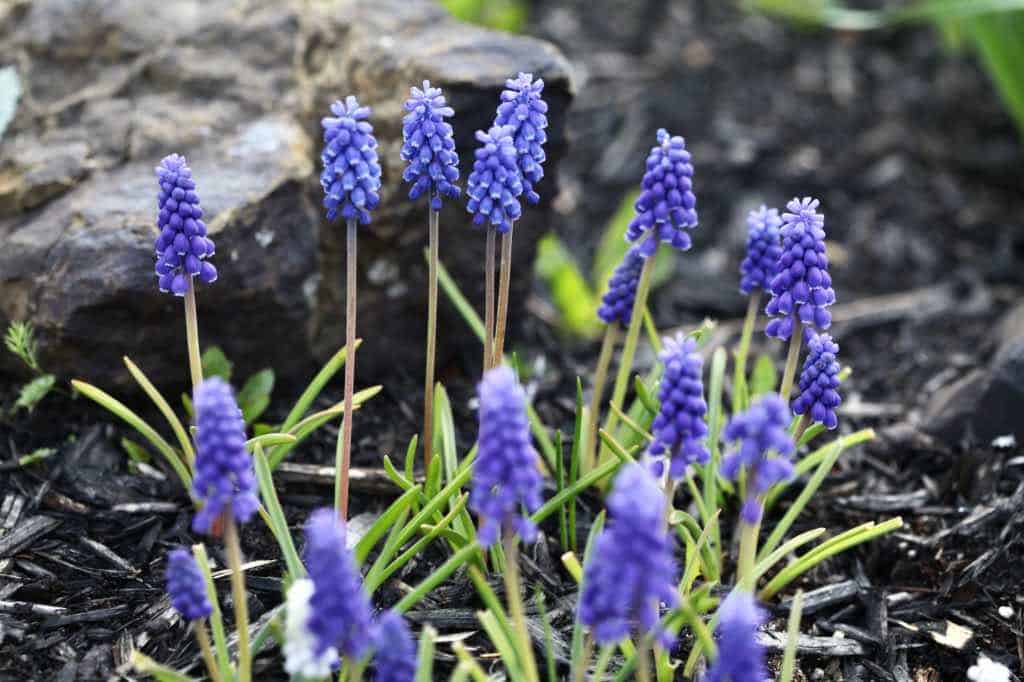
Muscari, commonly known as grape hyacinths, are flowering bulbs which produce beautiful clusters of bell-shaped flowers in late spring. These little plants look amazing, especially when grown en masse, in rock gardens and garden beds.
Muscari are perennial bulbs, and the flowers will return to the garden year after year. The plants will naturalize over time if planted in the right location, as the bulbs grow and multiply each growing season.
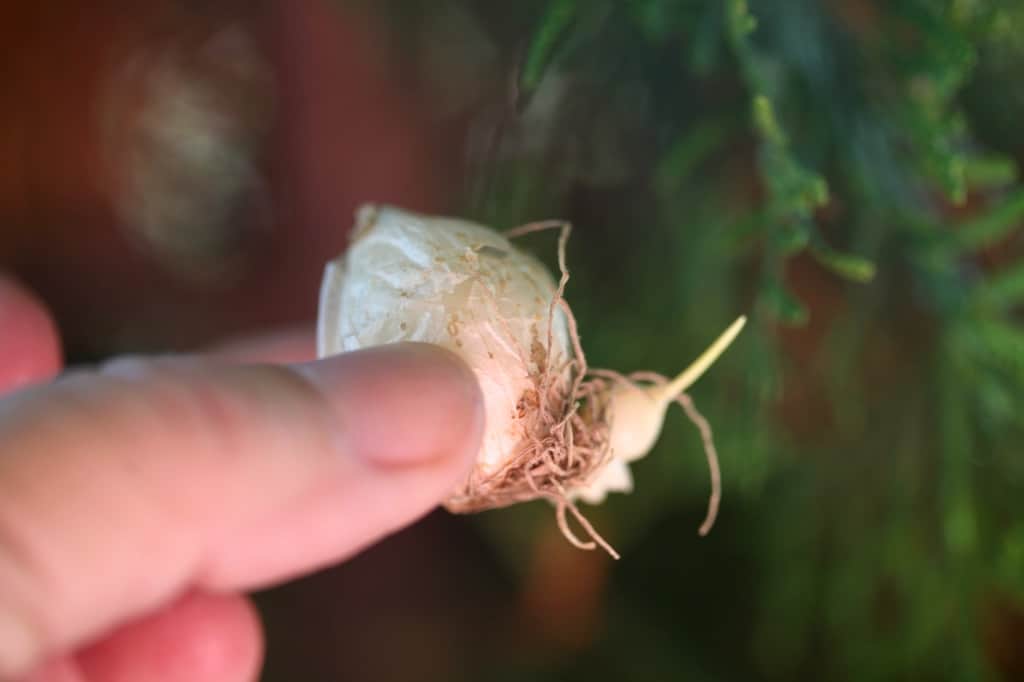
By understanding the life cycle of muscari flowers and the seed collection process, you can ensure that you will have a steady supply of these plants for years to come.
In order to collect muscari seeds, it's important to have a basic understanding of the lifecycle of the plant, and in particular the development of the seeds.
The muscari bulbs are typically planted in fall for spring blooming. In early spring the green leaves appear, and not long after that the flower buds appear.
When the flowers are in bud, they have a similar appearance to a bunch of grapes, which is how the plants got the common name "grape hyacinth". These perennial plants however, are not true hyacinths.
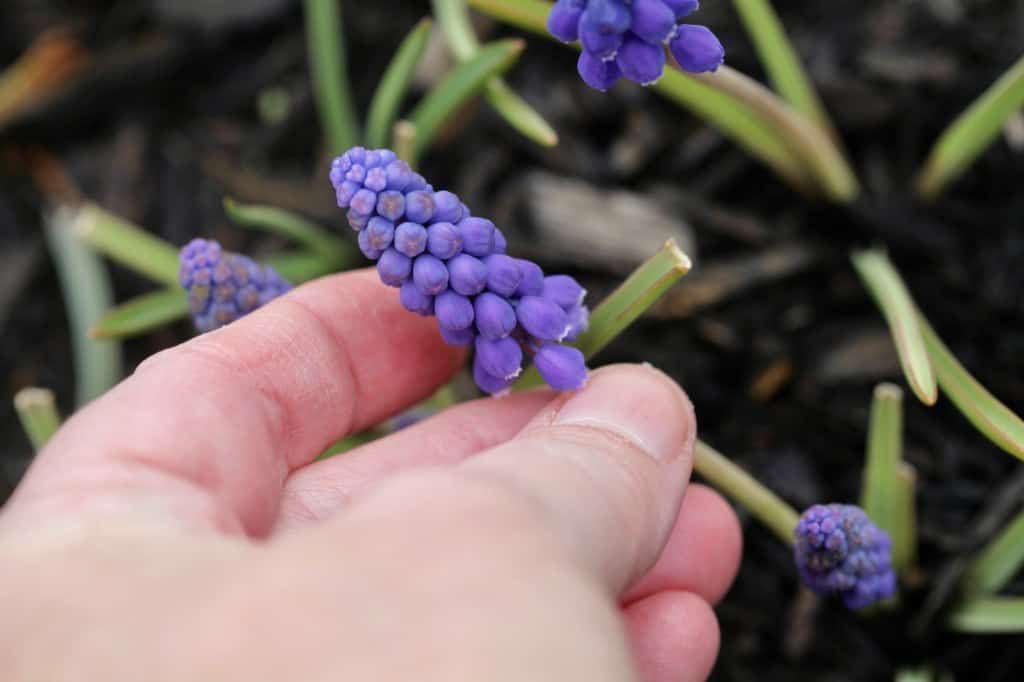
When muscari flowers are in bloom, each tiny flower within the flower cluster has the potential to be fertilized, and to develop seeds.
Once the flowers have finished blooming the plant will produce seed pods containing the seeds for the next generation.
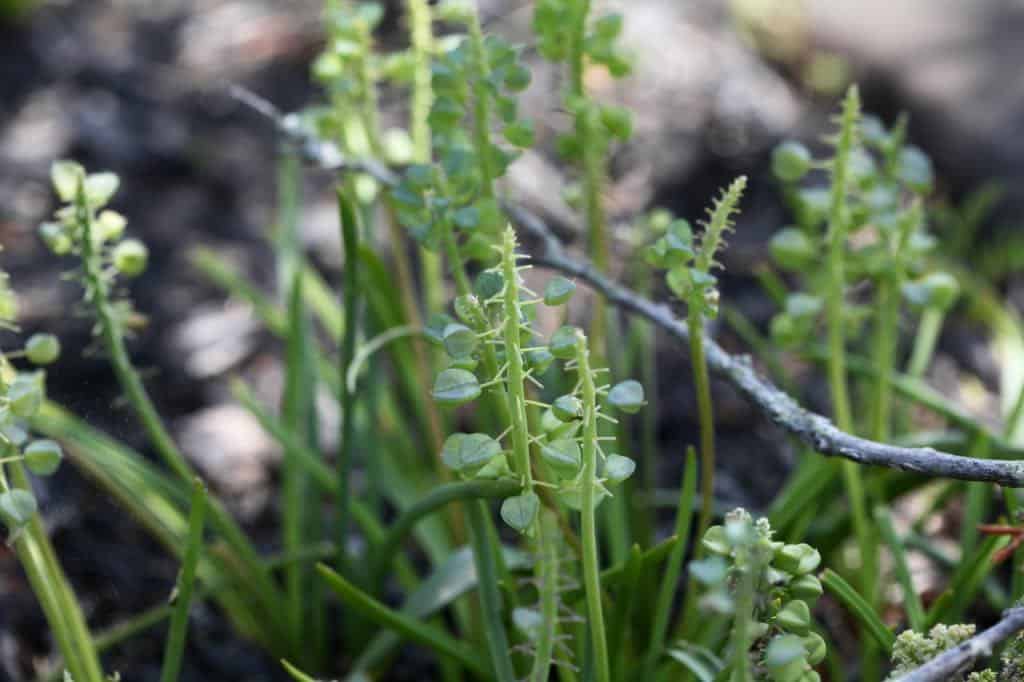
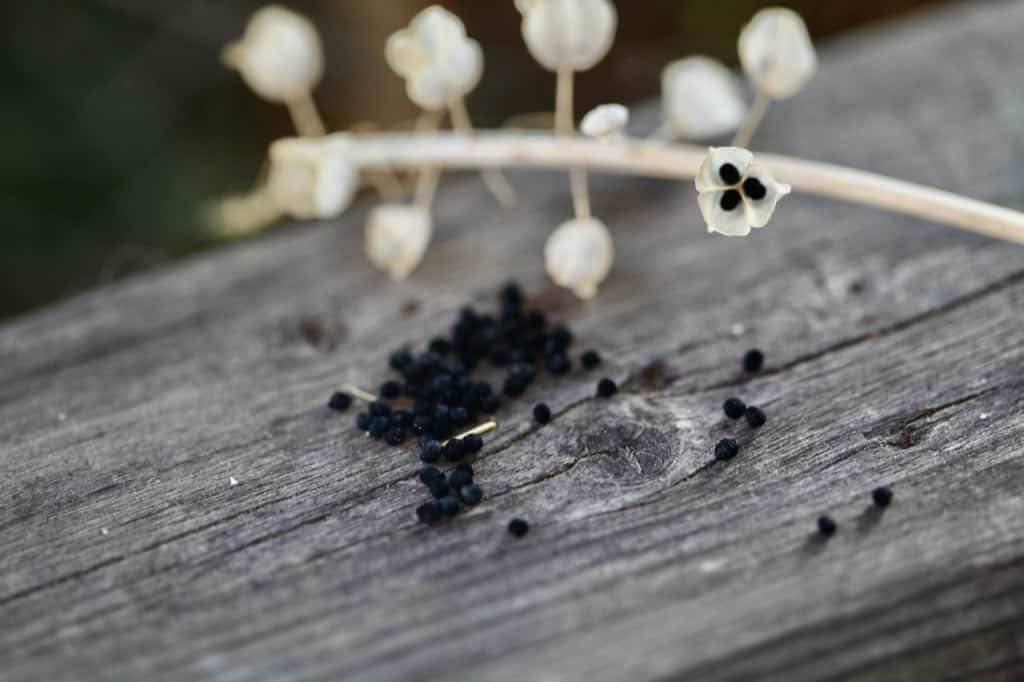
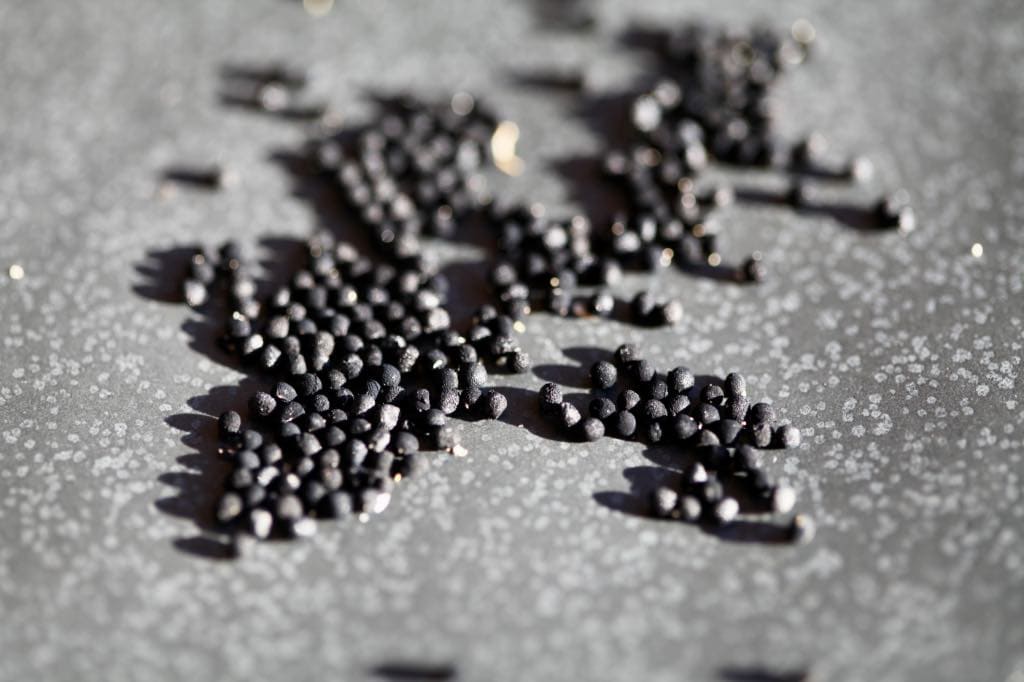
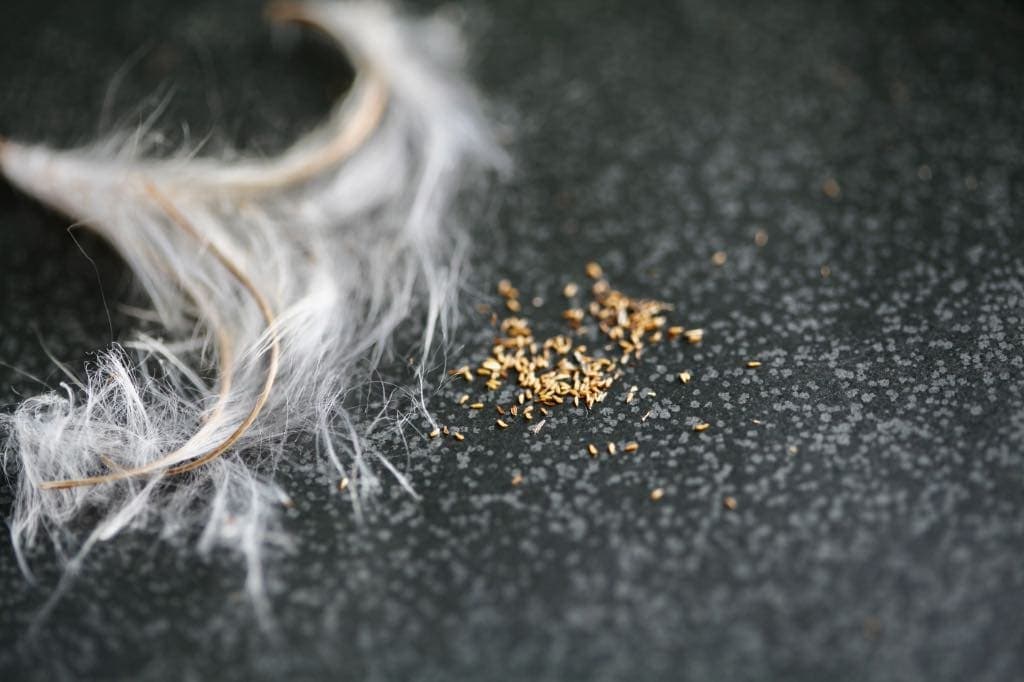
The tiny black seeds can then collected and grown. The new plants grown from seed will eventually develop small bulbs as well, as part of their energy storage system, and the lifecycle continues.
Identifying Seed-Ready Muscari
When collecting muscari seeds, it's crucial to wait until the seed pods have dried. This will mean that the pods should have viable seeds inside.
It's important to harvest the seeds at the right time to ensure successful propagation.
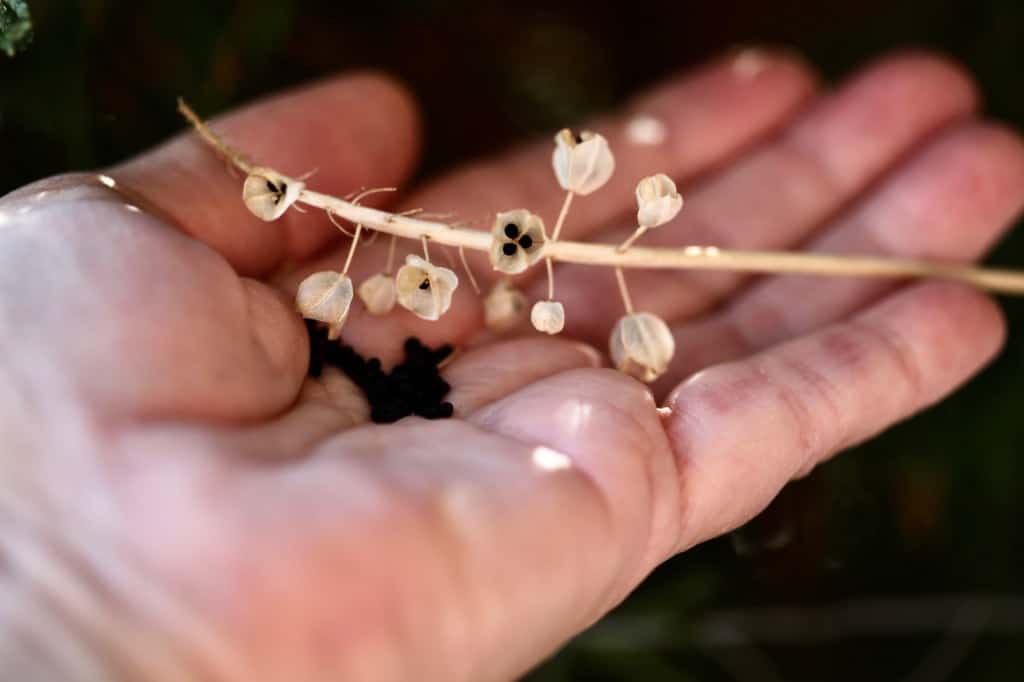
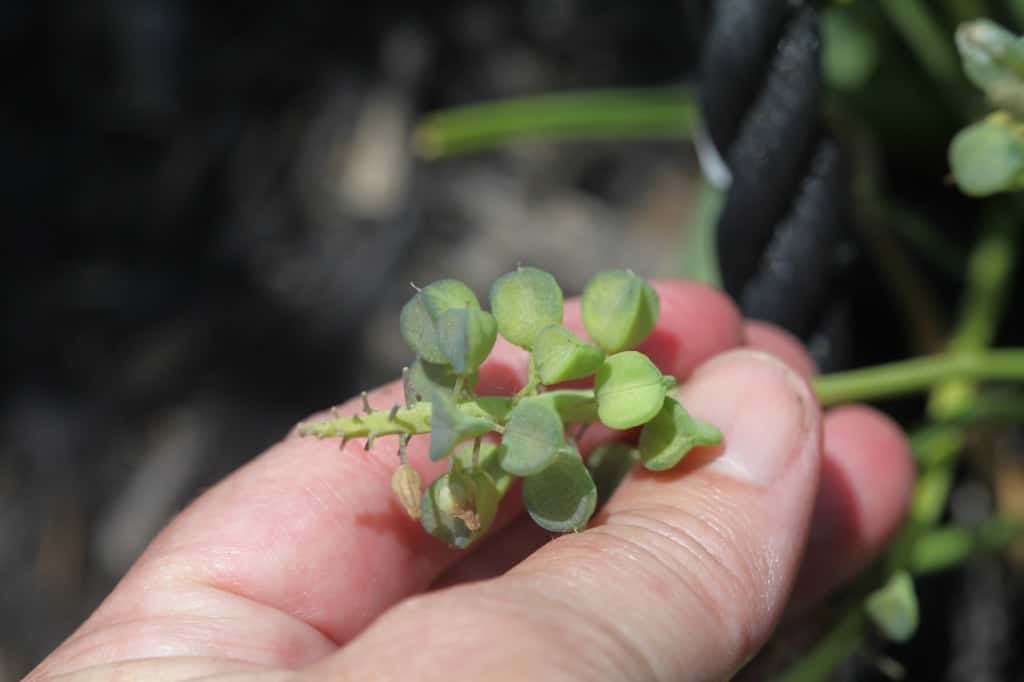
To collect viable muscari seeds, allow the seed pods to mature and dry on the plant. The pods turn from green to a light brown color, as they dry and become mature.
The seed pods will be mature approximately 6 to 8 weeks after blooming. Keep an eye on the pods for evidence of color change and drying, and readiness for harvest.
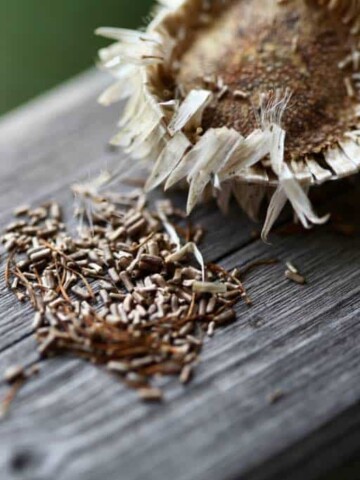
When ready to harvest, the seed pods will actually split open, revealing the tiny black seeds inside. This is the perfect time to collect the seeds.
Make sure to gather them before they become loose and spill onto the ground.

How To Collect Muscari Seeds
1. Collecting The Seeds
- Harvesting muscari seeds is fairly easy.
- Bring a pair of scissors and a container with you into the garden on a dry day.
- Cut the mature muscari flower stems with mature seed heads, and place the stems with the attached pods, into your container. This is the quickest and easiest way to do the collection.
- Be careful not to bump the stems, as this may cause some seeds to spill out onto the ground.
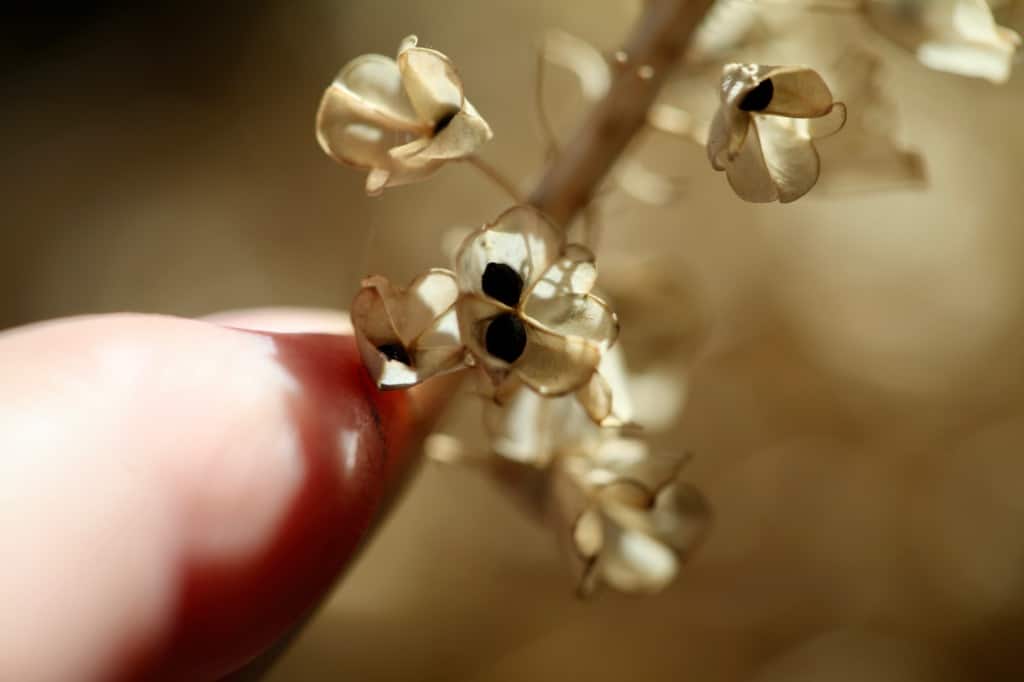
- Bring the seed pods inside, and then gently remove the small seeds from inside each pod.
- You can do this by gently tapping the pods over a container. Some seeds will remain readily fixed, while others will easily fall from the pods.
- Use a deep container to place the seeds into if possible, because a shallow dish will allow some seeds to bounce out, and then they will have to be retrieved.
- If the seeds are fixed inside the pods, gently squeeze each seed pod over your container. The seeds will pop right out, although you will also likely get some chaff, if you happen to crush the dried pod.

2. Drying The Seeds
- Clean the chaff from the seeds, which occurs when some seed pod particles break off into the container, during the seed extraction.
- Allow the seeds to air dry for several days before storage. Drying the seeds thoroughly is important, because this will help to prevent molding of the seeds.

3. Storing The Seeds
- Storing muscari seeds properly is crucial for maintaining their viability, until you are ready to plant them.
- Store the dried muscari seeds in a cool and dry place, away from sunlight and moisture.
- Place the seeds in a paper envelope or in an airtight container for best storage outcomes.
- Make sure to label the container with seed type, and storage date for future reference. This is especially important if you are storing multiple types of seeds.
- Muscari seeds can be stored for several years if stored in ideal conditions. Remember however to use them, and to plant them within a reasonable time frame, because the germination rate typically decreases over time.

Planting Muscari Seeds
- Muscari seeds can be direct sown in a full sun to partial shade location.
- The planting site should have well-drained soil with lots of organic matter.
- Plant in fall for winter stratification.
- Sprinkle the seeds on the soil surface and lightly cover.
- The plants will grow the following spring, although generally will not bloom the first year.
- It will likely take several years of growth before the small plants are blooming sized and develop new bulbs, however it is well worth the wait.
It should be noted that muscari seeds can also be started early indoors, and planted out in spring. The seeds are also excellent candidates for winter sowing.
Frequently Asked Questions
When Is The Best Time To Harvest Muscari Seeds?
The best time to harvest muscari seeds is when the seed pods have turned from green to brown, and feel dry to the touch. At this stage they will crack open revealing the seeds inside, which will remain attached inside the pod, until they become loose and disperse.
The timing of seed collection will be dependent on your growing zone, and the timing of the muscari blooms. The seed pods and seeds should be ready for harvest about 6 to 8 weeks after the flowers have faded.
In our zone 5b garden, the muscari are in full bloom by mid May. The seeds are dry and ready to be harvested by mid July.


Do Muscari Seeds Need Cold Stratification To Germinate?
Yes Muscari seeds, like many other perennial bulbous plants, typically benefit from a period of cold stratification to help with seed germination.
These seeds generally have hard seed coats, to protect them from harsh winters. The seed coats break down gradually, during the stratification process, and the seeds will germinate in spring.
Cold stratification occurs outdoors naturally, however can also be provided indoors, by placing the seeds in the fridge. This process mimics the cold exposure that the seeds would experience in the wild, and includes exposure to cold temperatures, along with moist conditions.
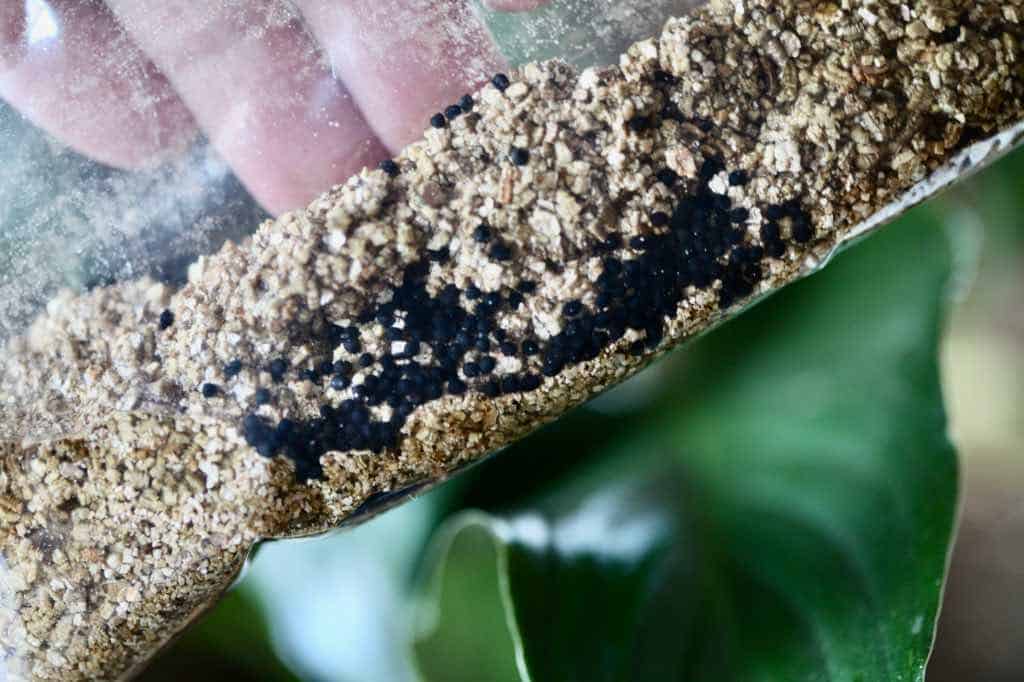
To stratify seeds in the fridge, place them in a plastic bag with some barely moist vermiculite or a moist paper towel, and place into the crisper drawer. Muscari will require at least several weeks or even longer for the cool moist chill.
With exposure to cold temperatures, along with moisture, this chill period helps to break the dormancy of the seeds, making them more likely to germinate when conditions improve.
Muscari seeds left in the fridge for up to 12 weeks have been known to start sprouting inside the fridge in their baggies.
Can I Plant Muscari Seeds Immediately After Collecting Them?
Yes you can plant muscari seeds immediately after collecting them, however there are a few considerations to keep in mind.
Planting in late summer or early fall allows the seeds to experience a natural cold period over the winter, which can aid in germination the following spring.
For seeds collected in spring or early summer that you want to plant immediately, consider stimulating this cold period artificially. This can be accomplished by stratifying the seeds in the fridge for several weeks.
Generally muscari seeds will take several months to germinate anyway. If the seeds are planted after collection, you may not see evidence of sprouting until the next spring.
What Are The Germination Rates For Muscari Seeds?
Germination rates for muscari seeds can vary, depending on a number of factors. These include seed freshness, seed variety, as well as conditions under which the seeds are germinated.
Freshest seeds often have the best germination rates. Those that have been in storage will have reduced germination rates over time.
Generally muscari seeds have a moderate to high germination rate, if they are fresh and have been provided with optimal conditions for planting.
And remember, cold stratification will also improve germination rates of the muscari seeds, helping to break seed dormancy.

Conclusion
Muscari are a must have for every spring garden. These low maintenance plants, with their bright flower colors, are always a welcome sight every spring.
Collecting muscari seeds is a fun gardening activity, that can eventually help you to expand your garden with more of these adorable muscari blooms.
The seed saving process is an eco-friendly and cost saving activity.
Collecting seeds also offers an opportunity to connect with nature and the natural world. When you collect muscari seeds, you get to know your plants just a little bit more.
By following best practices, you can ensure that your muscari seeds have the best start in life, leading to a beautiful and vibrant display in your garden, for many years to come.

Have you ever collected and planted muscari seeds? Be sure to leave a comment below to share your experience!
Other Posts You May Like:


PIN IT FOR LATER!



Leave a Reply