

Muscari, commonly known as Grape Hyacinths, are popular bulbs to grow in spring gardens. With their vibrant hues and tiny grape-like flower clusters, muscari have a striking resemblance to miniature hyacinths, although they are not true hyacinths. Learn how to plant muscari bulbs, and add these colorful flowers to your early spring landscape.
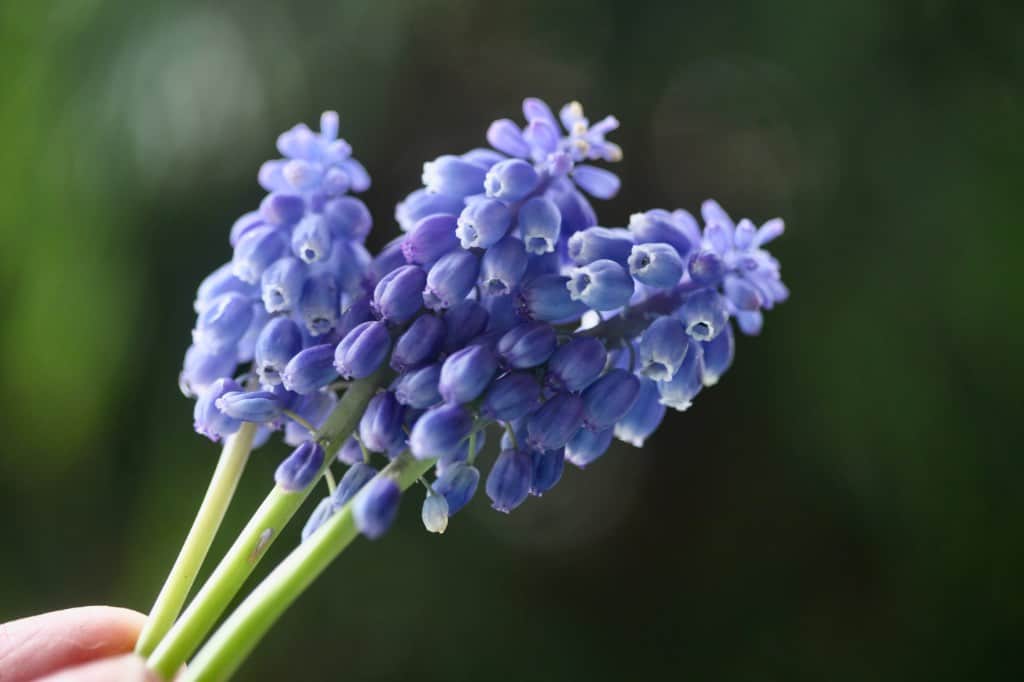
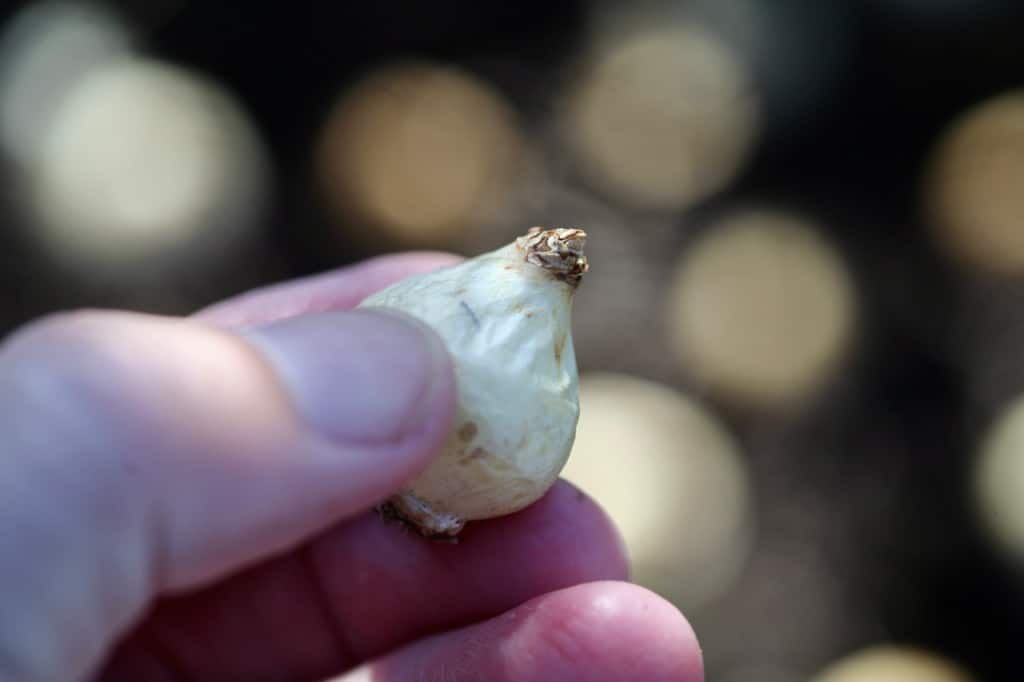
Plant muscari bulbs in mid to late fall, 3 to 4 inches deep, and 2 to 3 inches apart. Plant with the pointy end up in a sunny location, into well-drained soil for best bulb health and growth. The plants are perennial, and will grow and multiply, returning to the garden year after year.
Read along for a more in-depth description of muscari, and learn all about where to plant, how to plant and post planting care.
What Are Muscari Bulbs?
Muscari belong to the Family Asparagaceae, and to the Genus Muscari.
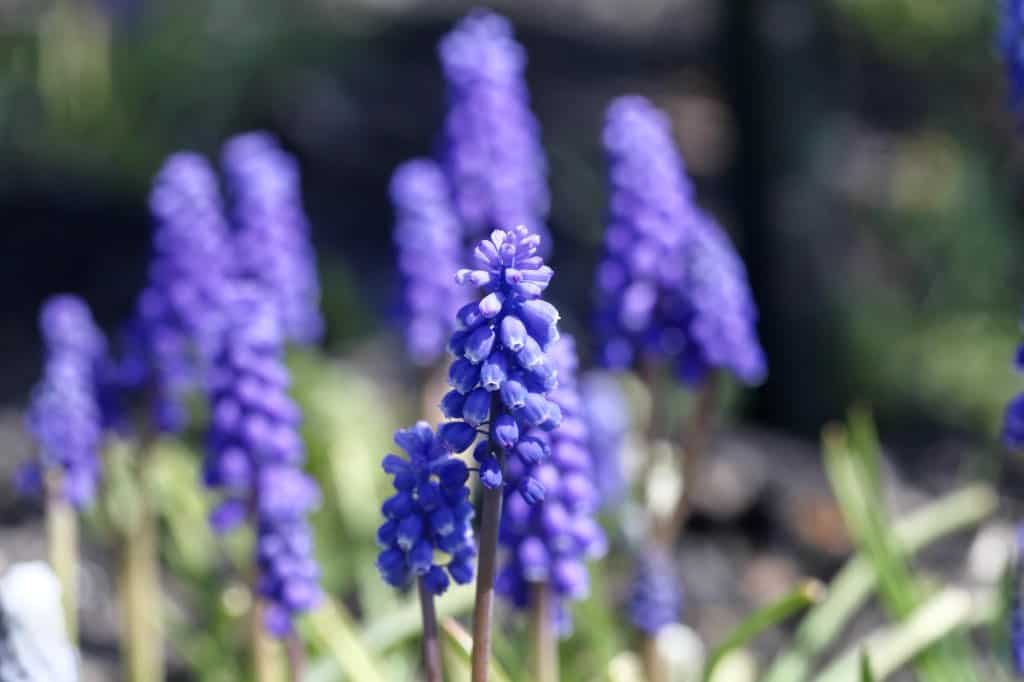
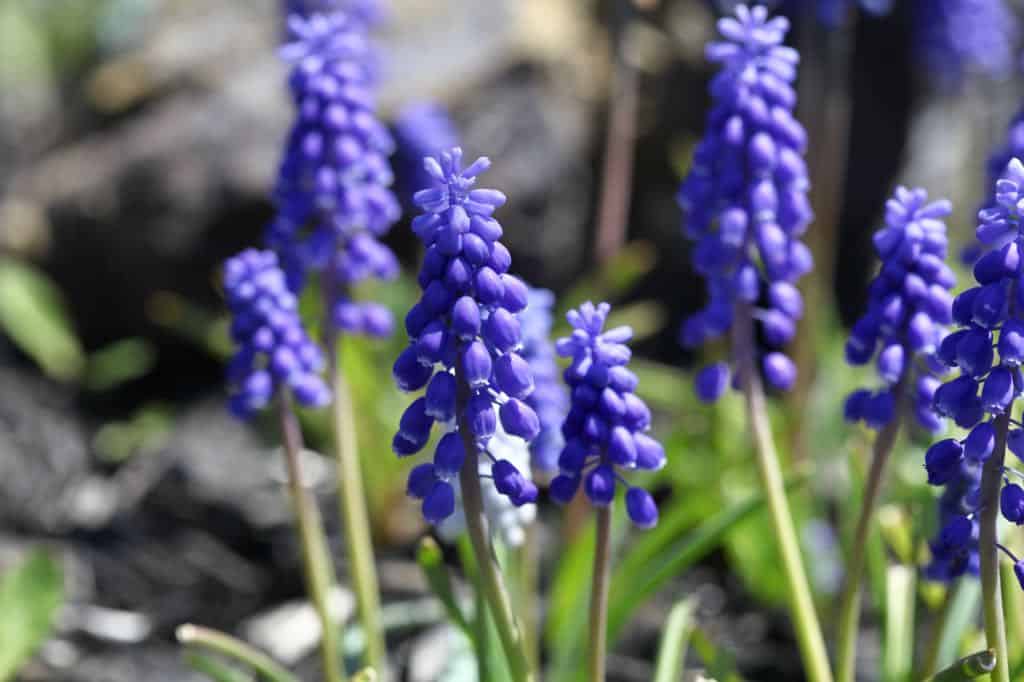
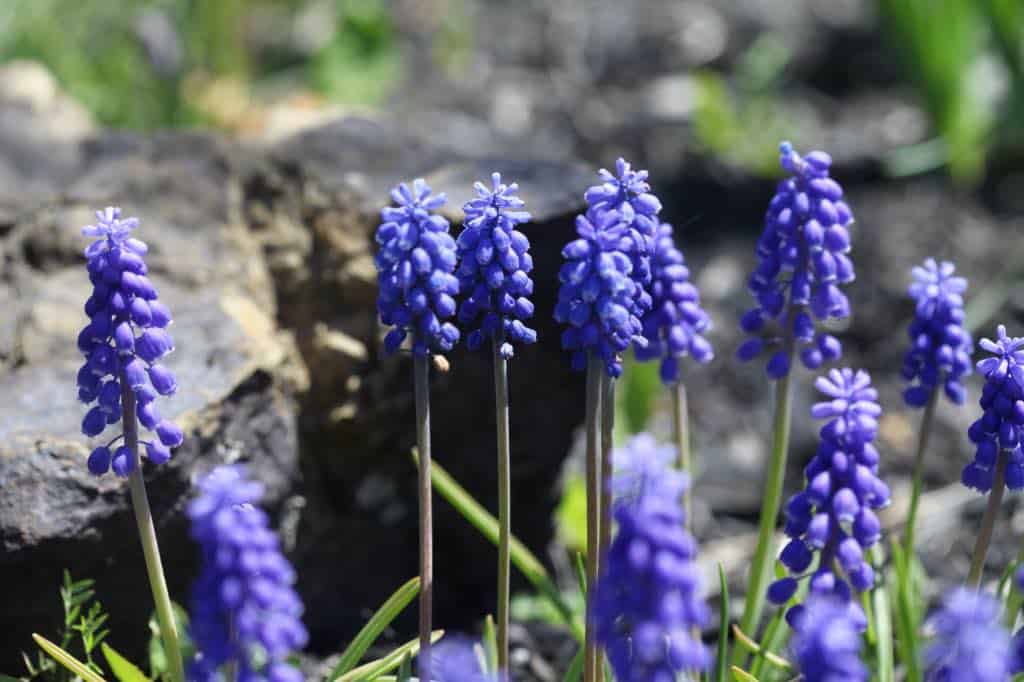
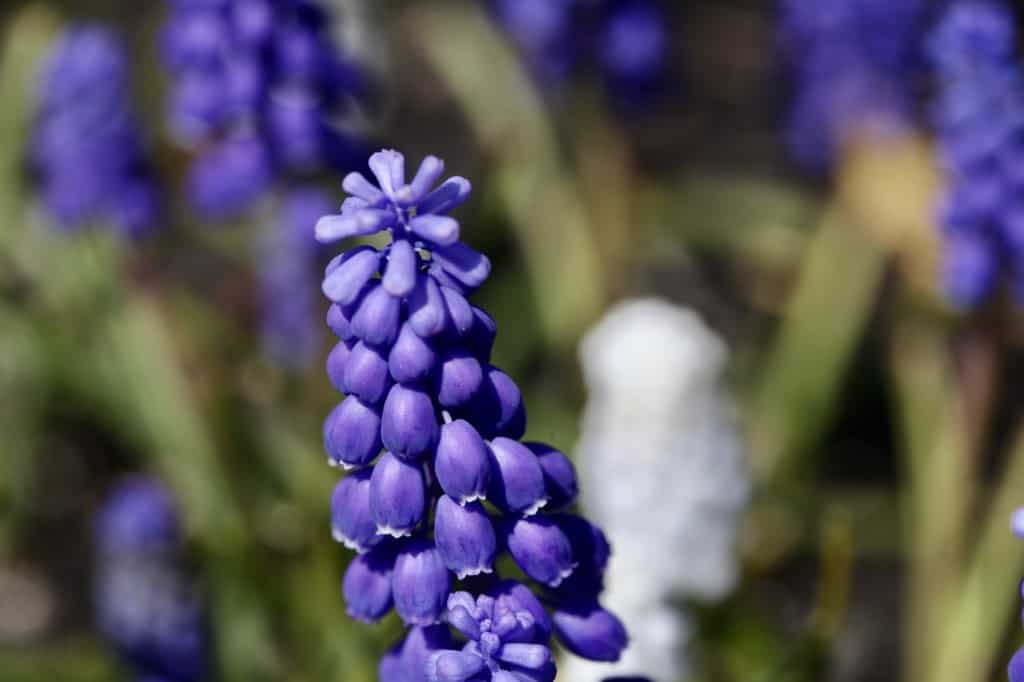
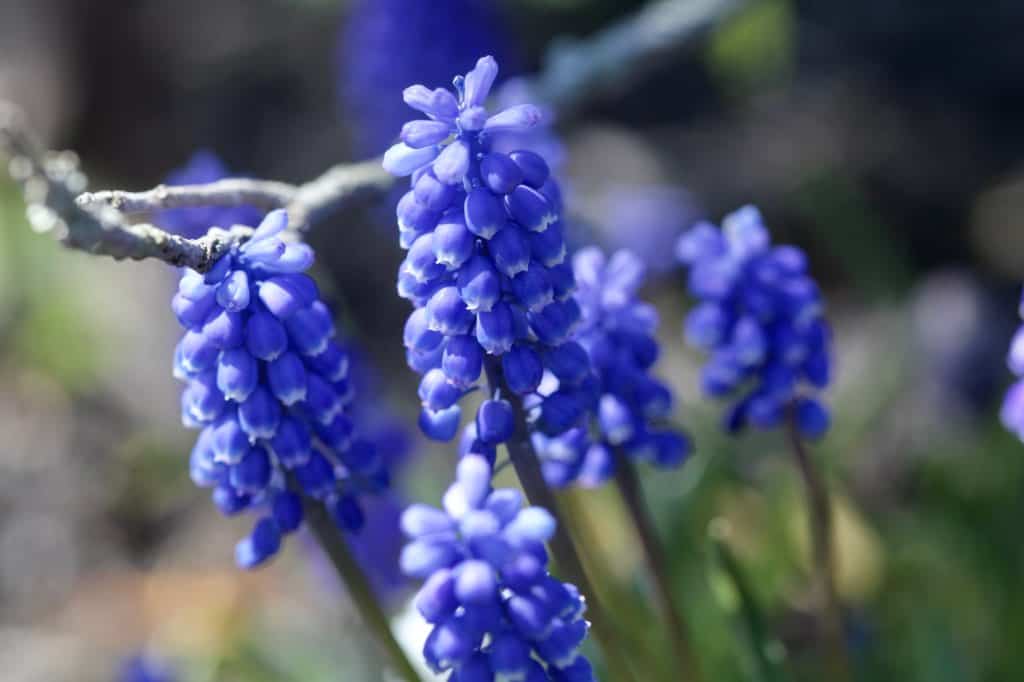
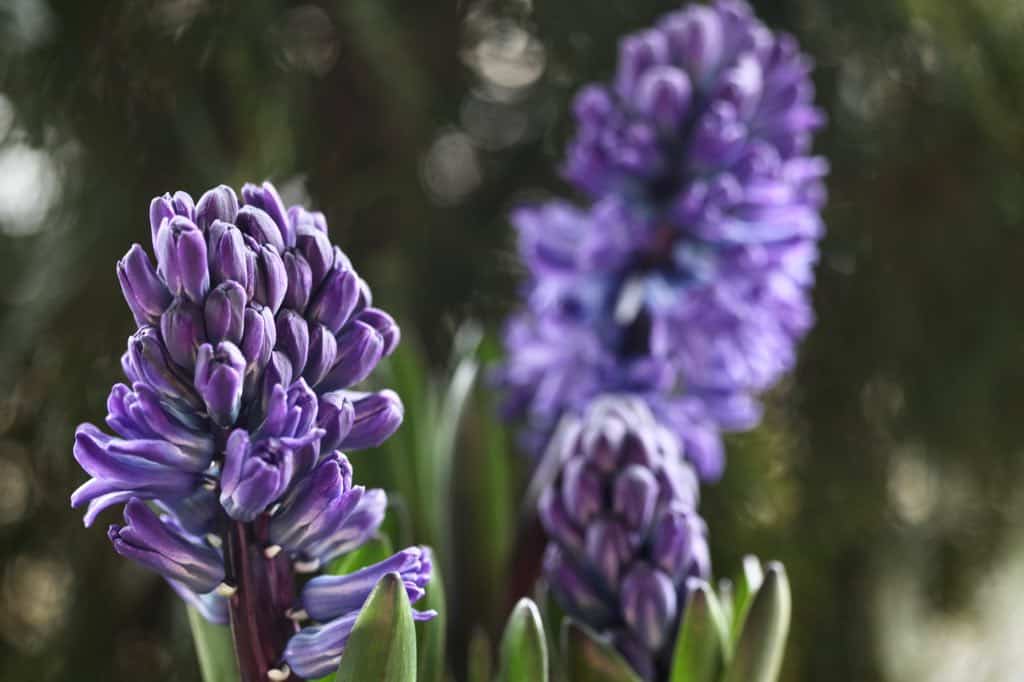
These spring blooming plants are recognized by their dense clusters of tiny bell-shaped flowers, which grow at the top of the flower stem, forming a spiked bloom.
Muscari flower buds resemble small clusters of tiny grapes, hence the common name of "grape hyacinths".
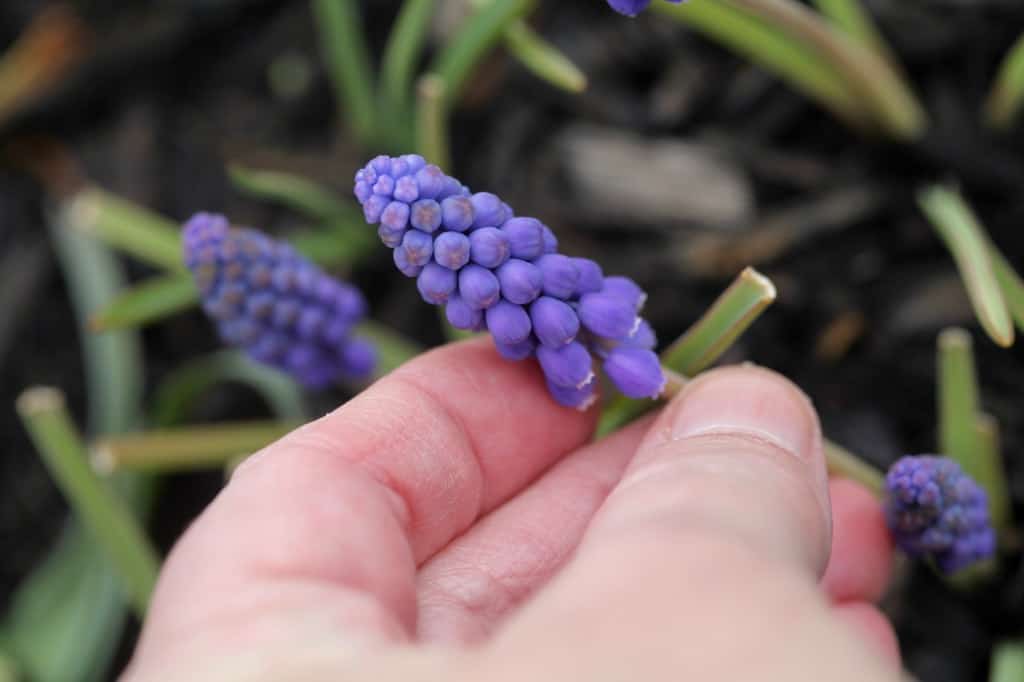
The flowers have a subtle scent, however they are generally known more for their beauty, rather than for their fragrance.
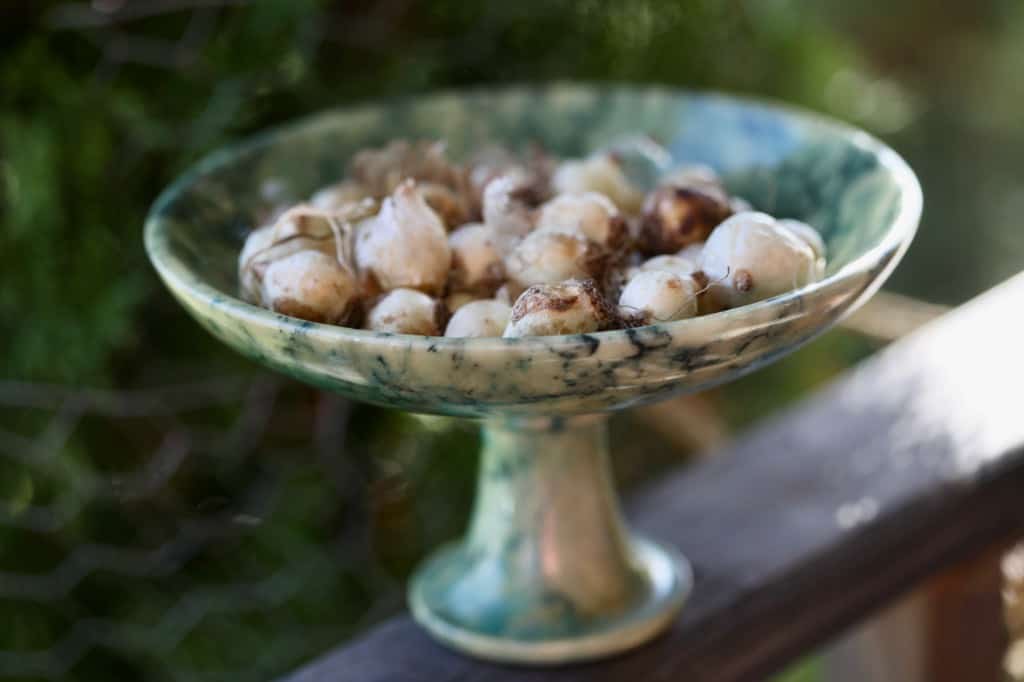
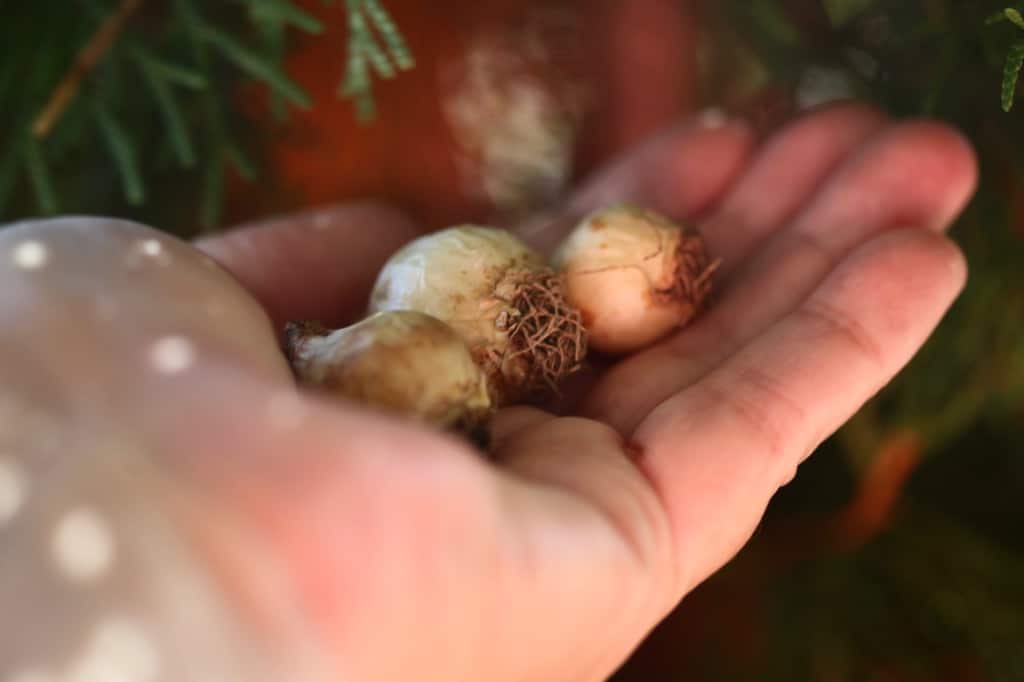
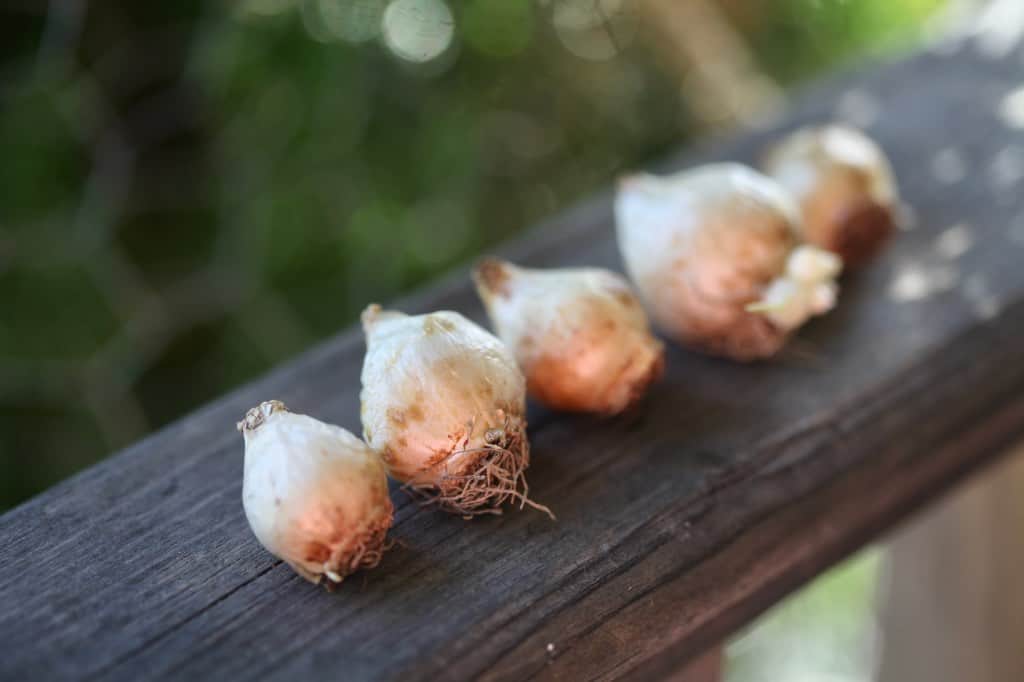
These spring-flowering bulbs are typically planted in the fall, for blooming the following year. The bulbs are a small size, and notably much smaller than many other commonly fall planted bulbs such as hyacinths and daffodils.
Muscari are hardy perennial bulbs, and produce flowers in mid to late spring. The bulbs will naturalize in the garden in ideal growing conditions, producing offsets and multiplying, much like daffodil bulbs.
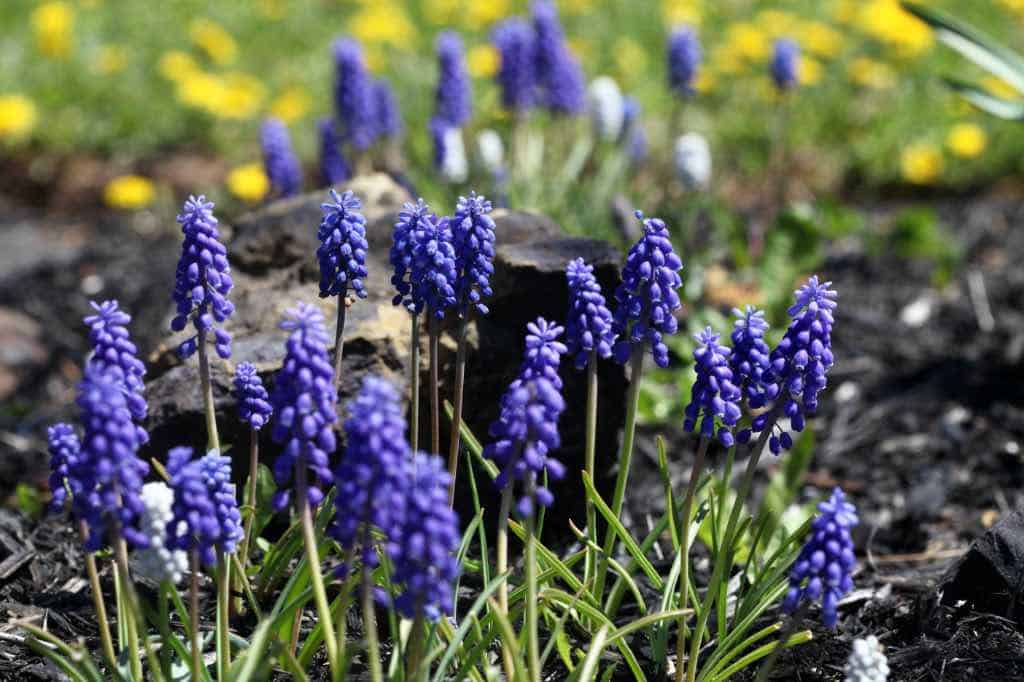
The stems of muscari plants are fairly short, reaching approximately 6 to 8 inches in height at maturity. This makes them ideal for rock gardens, and planting in containers.
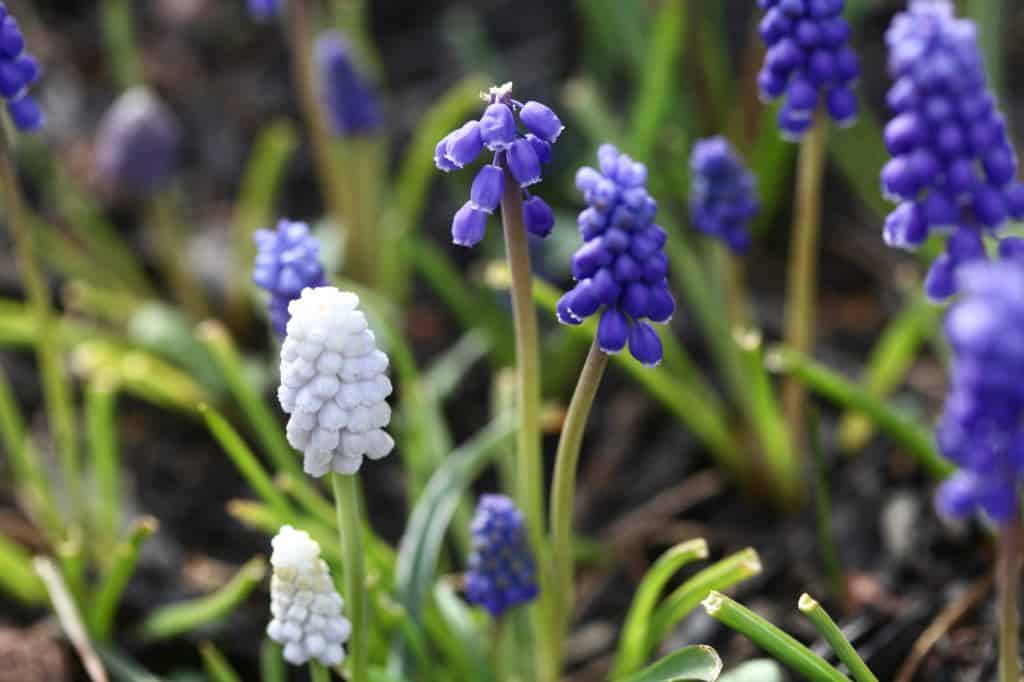
The bulbs look great planted in the garden amongst other spring bulbs, and contribute to the beauty of the spring landscape, with their punch of blue color.
Although muscari do not have an ideal stem length for cut flowers, you can always make smaller posies from the blooms, to bring indoors. They are similar in height to lily of the valley, which also have shorter stems, but which are used for spring posies.
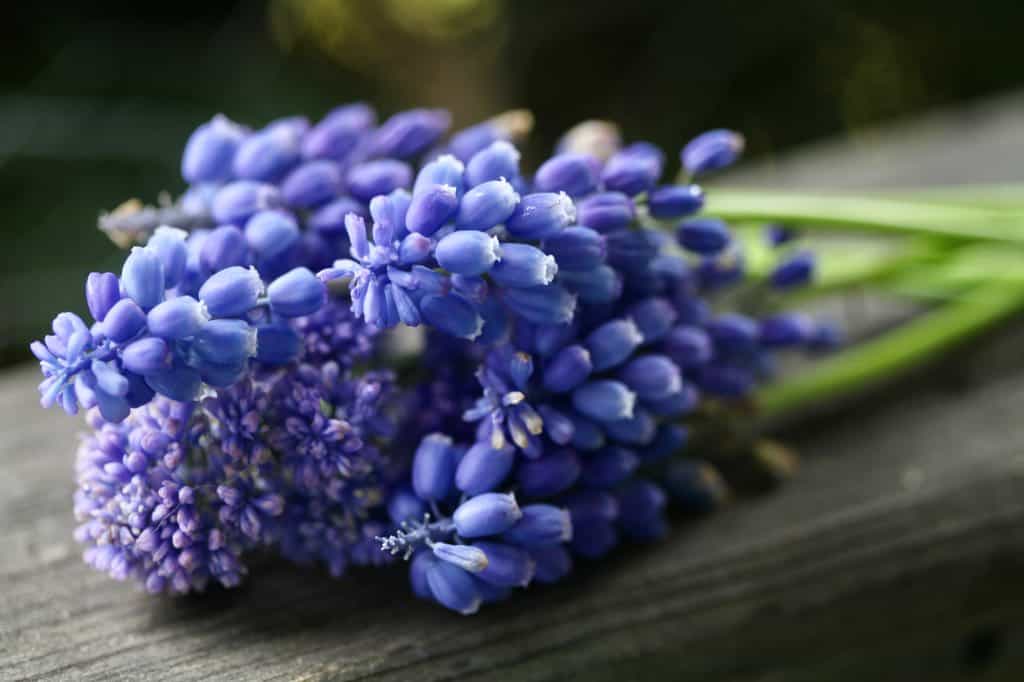
Varieties Of Muscari
There are a number of different muscari species that are grown as ornamental flowers. Each has it's own unique characteristics and special charm.
Some of these species include:
1. Muscari armeniacum:
- This deep blue variety of muscari is one of the most common, known for it's ease of care, and ability to naturalize in the garden.
2. Muscari azureum:
- This variety of muscari is known for it's looser clusters of flowers, adding to a different visual texture of the blooms.
3. Muscari botryoides:
- Resembling Muscari armeniacum, this variety is also available in white and pink cultivars.
4. Muscari comosum:
- A more unique variety, Muscari comosum, also known as tassel hyacinth, has tufted flowers at the tip of the flower spike, giving a feathery appearance to the blooms.
5. Muscari latifolium:
- This variety of muscari has two-toned flower spikes, consisting of a darker violet color on the bottom, blending to a lighter blue color towards the top of the blooms.
6. Muscari macrocarpum:
- Also known as Yellow Grape Hyacinth, this muscari variety is not as common.
- The spiked blooms of this muscari variety have purple buds which open to reveal yellow flowers, giving a two toned appearance. These spring flowers also have a sweet musky fragrance.
What Are The Benefits Of Planting Muscari?
1. Aesthetic Appeal: The sweet blue flowers of Muscari are known for their ornamental value, and beauty in the spring landscape.
2. Early Bloomers: Muscari bulbs bloom in spring, contributing to the beauty of the early spring garden. They are some of the first flowers to appear in the garden, after the long winter months.
3. Easy To Grow: The bulbs are low maintenance, naturalize readily, and are easy to plant and grow. They are great plants for even the beginner gardener.
4. Versatility: Muscari bulbs can be planted in a number of different settings, including containers, rock gardens, under deciduous trees, and in garden beds and borders.
5. Deer And Rodent Resistant: Muscari are known to be deer and rodent resistant. Although the deer eat many plants in the spring garden, they often selectively skip over the less palatable muscari and daffodils, with very limited nibbling.
6. Attracting Pollinators: Muscari flowers attract bees and other pollinators, contributing to the health of the garden and ecosystem.
How To Plant Muscari Bulbs
When To Plant
The best time to plant muscari bulbs is in mid autumn, after the soil has cooled down, but before the ground freezes.
Planting before the ground freezes allows some time for root growth and establishment before the winter frost sets in.
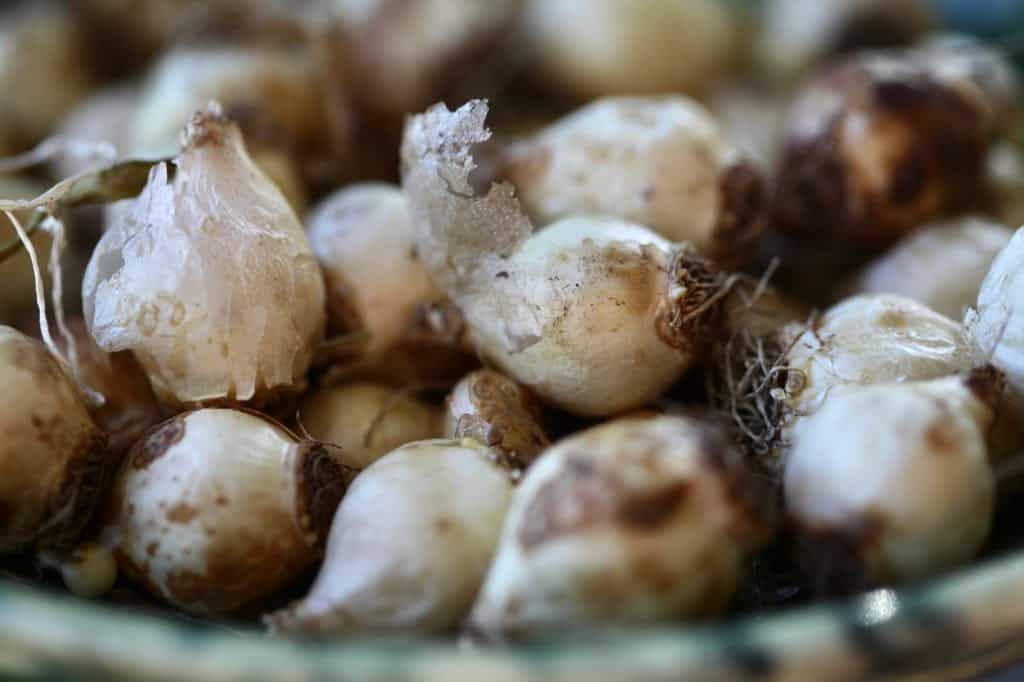
The specific timing can vary based on your specific growing zone, however make sure to allow at least several weeks, and ideally 6 to 8 weeks before the ground freezes.
The fall soil is cooler for the bulbs, which is an ideal planting condition for fall planted bulbs.
The bulbs require a period of cold dormancy to trigger their flowering process in spring, so fall planted bulbs will naturally provide this period of cold.
In warmer climates, or if growing in containers, make sure to artificially chill the bulbs for at least 15 weeks before planting out.
Where To Plant
Hardiness Zone:
- Muscari grows well in zones 4 to 9.
- Muscari bulbs are naturally adapted to climates with a cool winter, and then bloom in spring when the weather warms up. These hardy flower bulbs are therefore perfect for cooler growing zones.
- To find your usda growing zone, you can locate it on this USDA Plant Hardiness Zone Map.
Sunlight:
- Muscari grows well in a full sun location, however can also be grown in partial shade.
Soil:
- Muscari will grow in a variety of soil conditions.
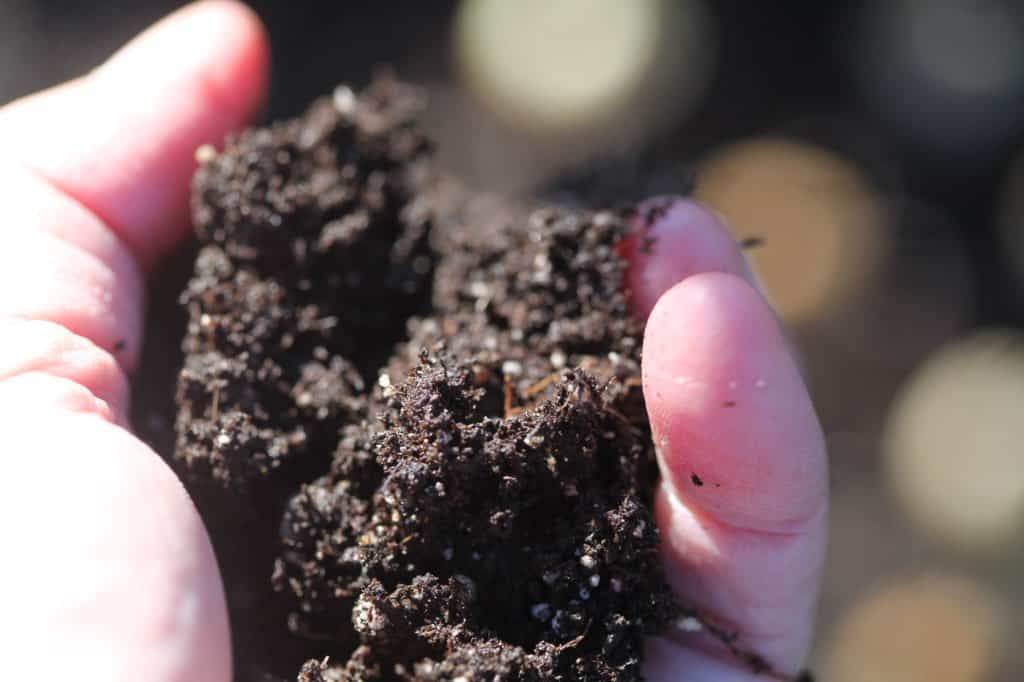
- One of the most important aspects of planting is to plant the bulbs into well-draining soil. Avoid waterlogged locations, because this can cause bulb rot.
- The bulbs grow well in soil amended with organic matter, such as peat moss, which can also help with drainage.
How To Plant
Plant the muscari bulbs together en masse in large groups, for an impressive display. These plants are small, and they look much better when there are lots of them planted together.
Planting In The Garden
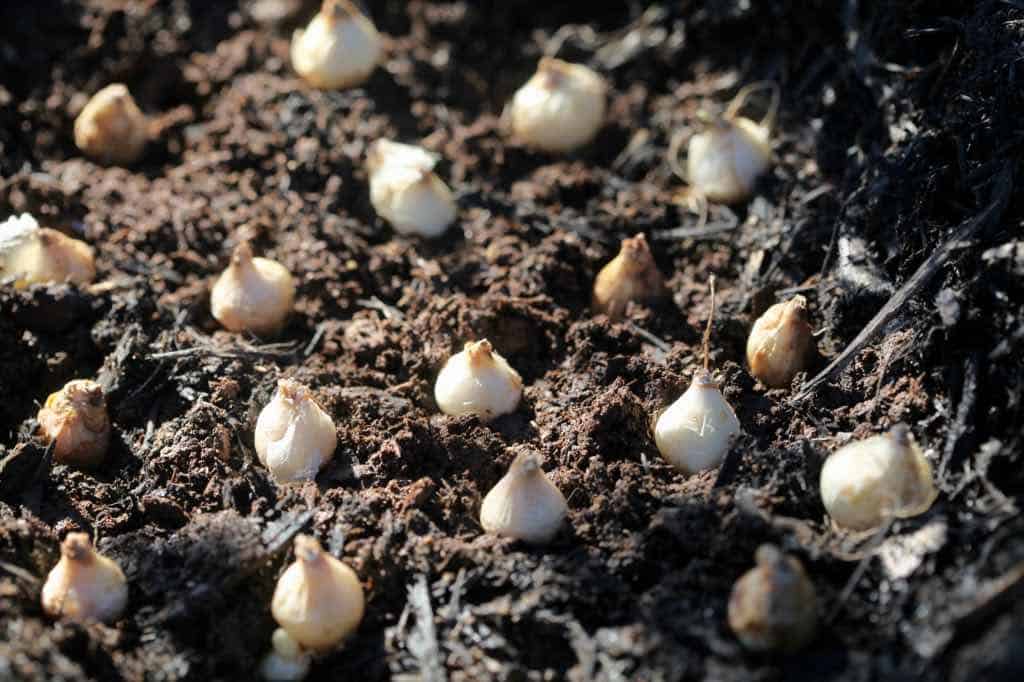
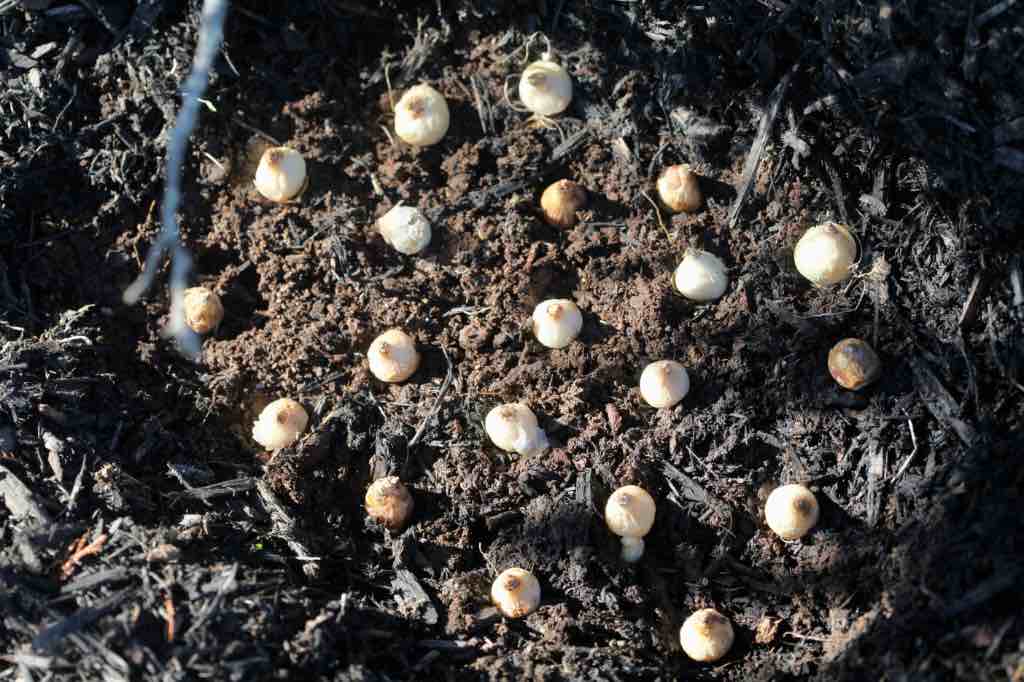
- Dig a large shallow hole in the planting location, about 4 inches deep. Loosen the soil at the base of the hole, because the bulbs will be able to root more easily in loose soil.

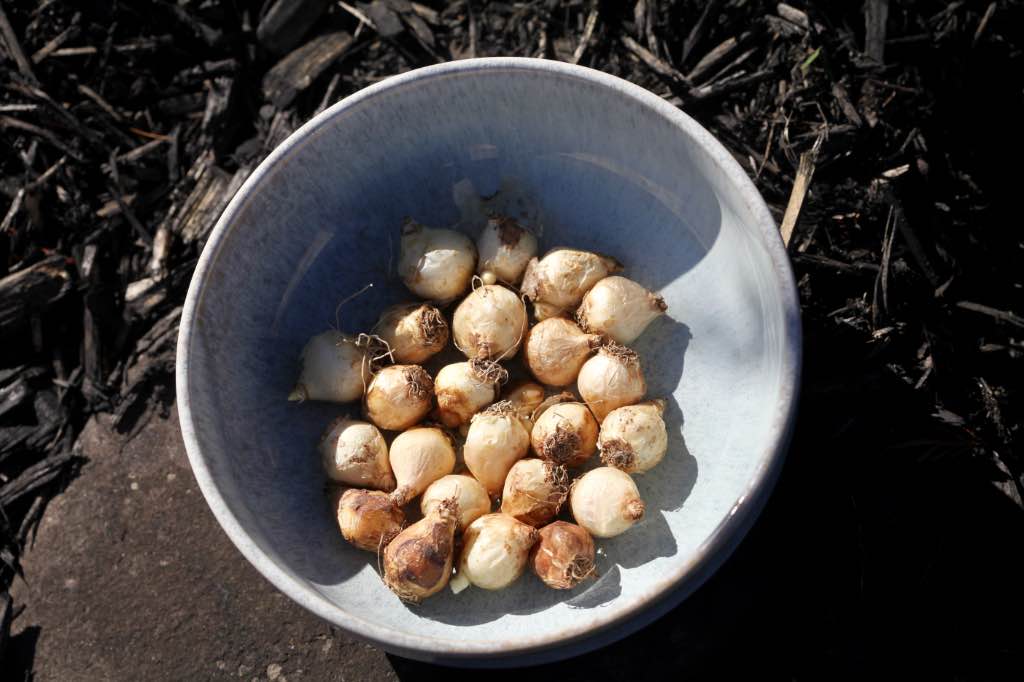
- Place the bulbs in the hole, spacing them about 2 to 3 inches apart.
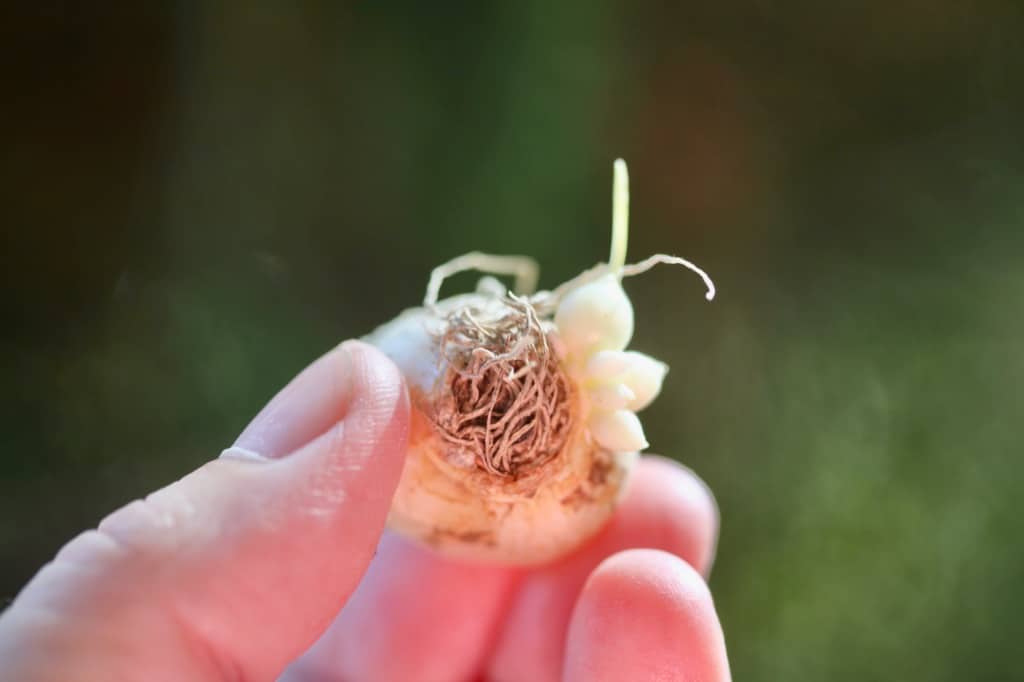
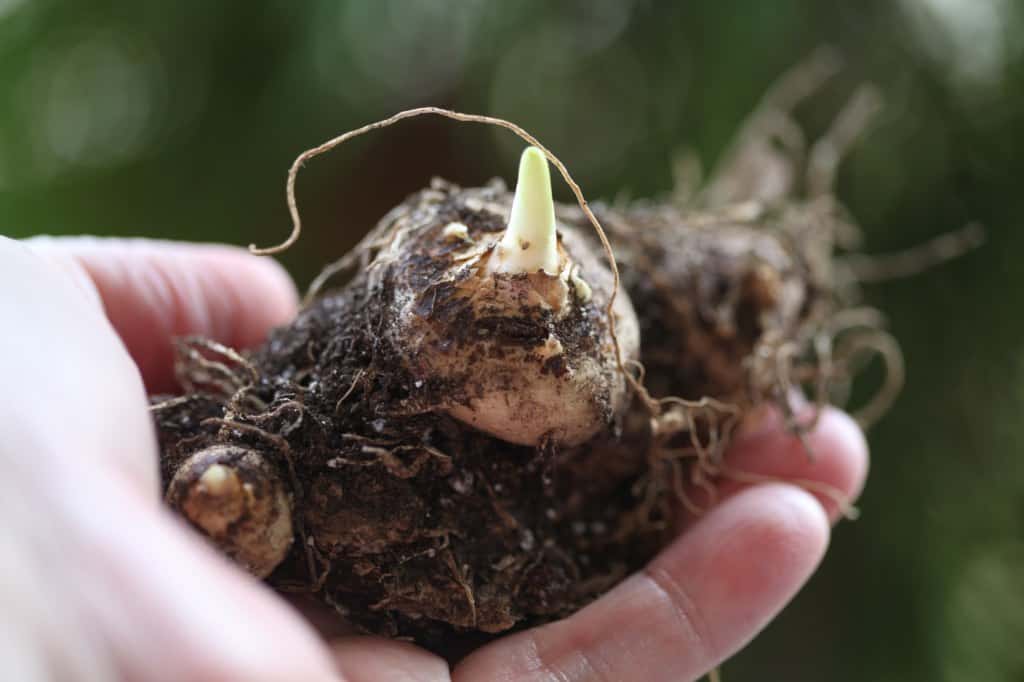
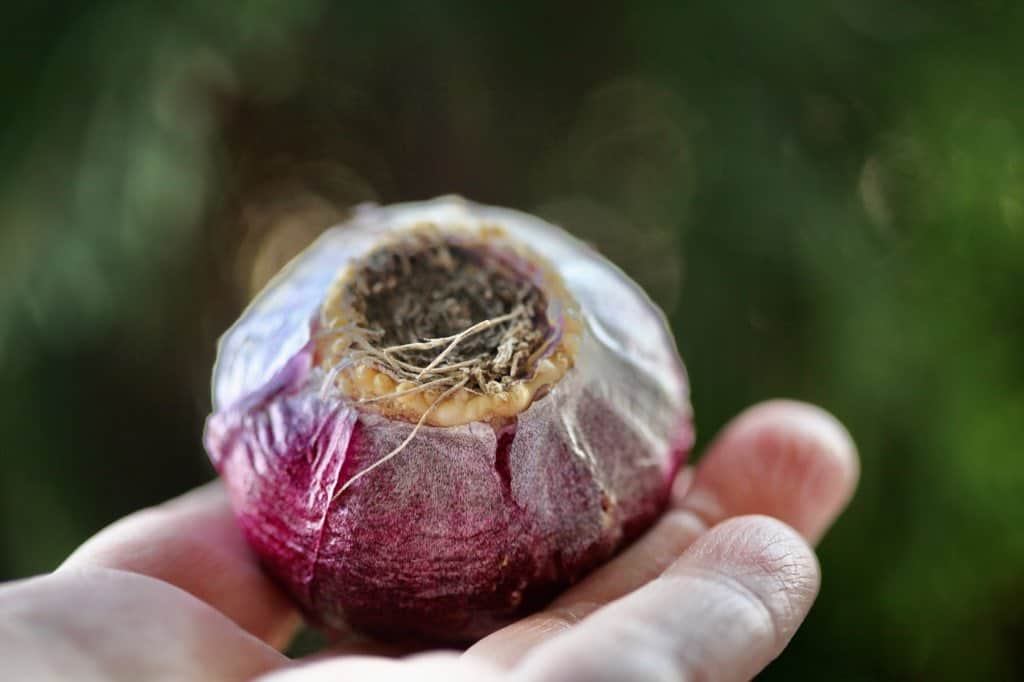
- Make sure that the pointed end of each bulb is pointed up, and the root side is pointed down.
- Once situated, cover the bulbs with soil, and gently tamp the soil down.
- Water in well after planting.

Planting In A Container
- You can also plant muscari bulbs in a container with good drainage.
- Just make sure that the bulbs are chilled before blooming.
- You can pre-chill the bulbs in the refrigerator for 4 months, and then plant them in the container in spring.
- Plant at the same depth and spacing as when planting in the garden.
- This is called forcing the bulbs, and is similar to forcing other bulbs, such as hyacinths.
- Alternatively you can also plant the container in fall, placing the planted container in a cool place, such as in an unheated garage.
- Take outdoors when the weather warms up, and place in a sunny location for blooming.
Post Planting Care
Once the bulbs have been watered in after the initial planting, they are relatively easy to care for, and for the most part Mother Nature takes care of the rest.
Since they are perennial bulbs, they will eventually multiply and spread, forming new bulbs. The flower bulbs will benefit from digging and dividing every 3 to 5 years, when they become overcrowded.
Care After Blooming
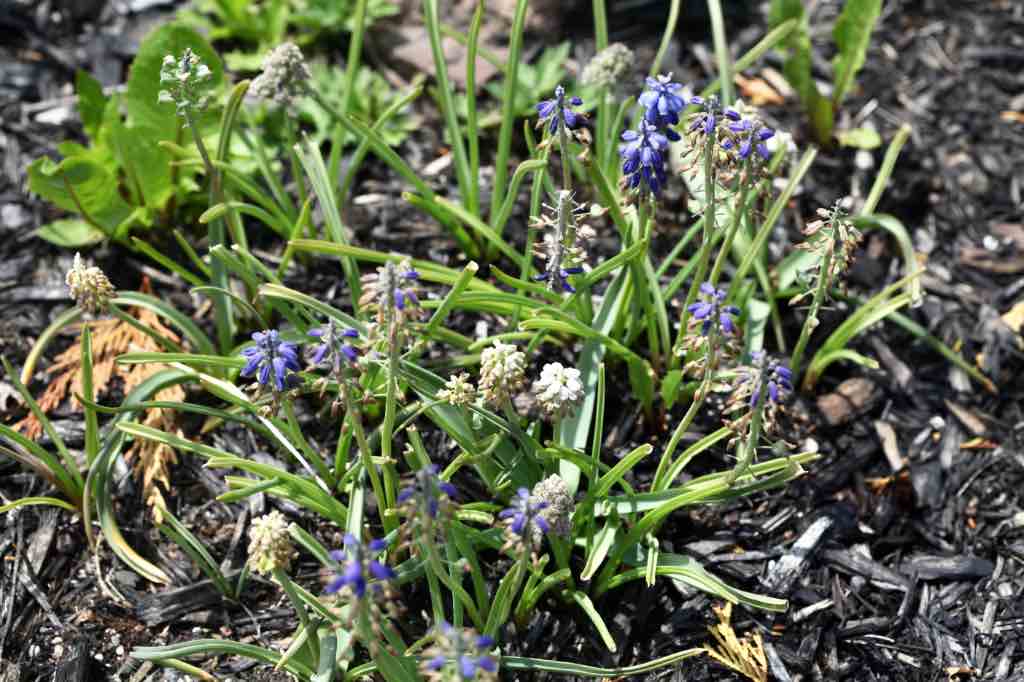
After the muscari flowers have finished blooming, you can remove the flower stalks if you wish, to tidy up the plants.
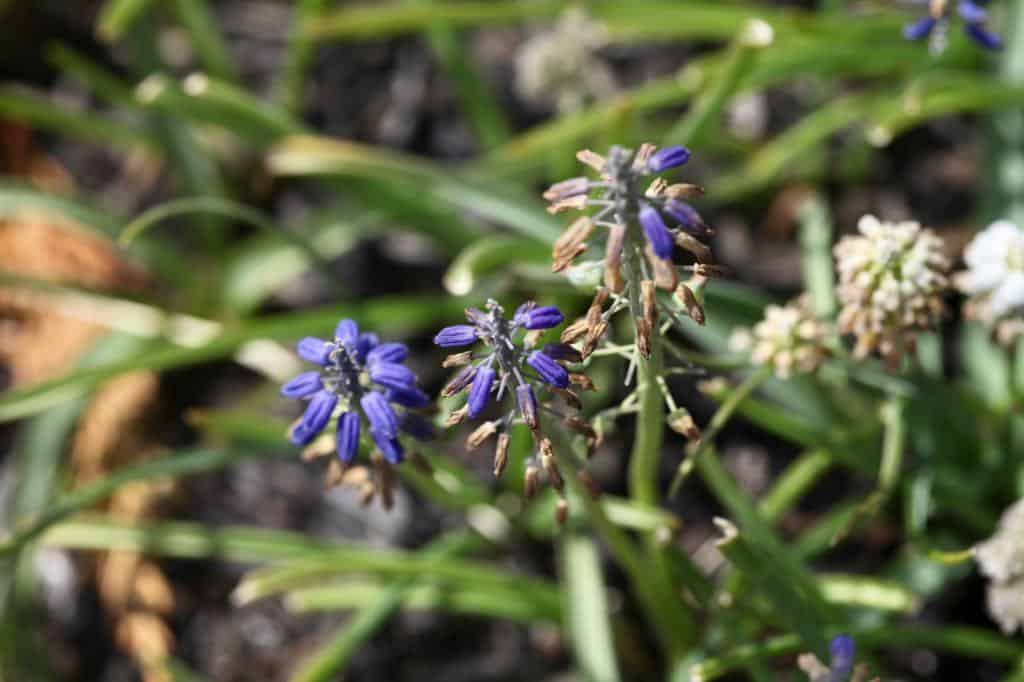
Removing the spent flowers will also prevent seed formation. Developing seed pods take energy away from the bulbs, and removing the spent blooms or seed pods helps the bulb to conserve energy for future blooming.
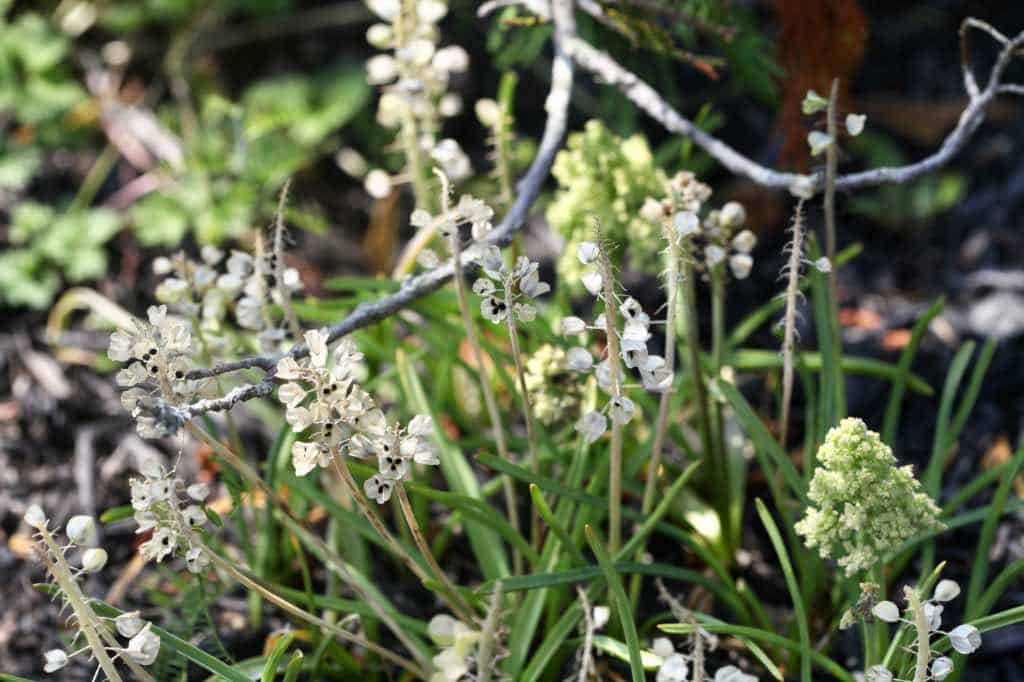
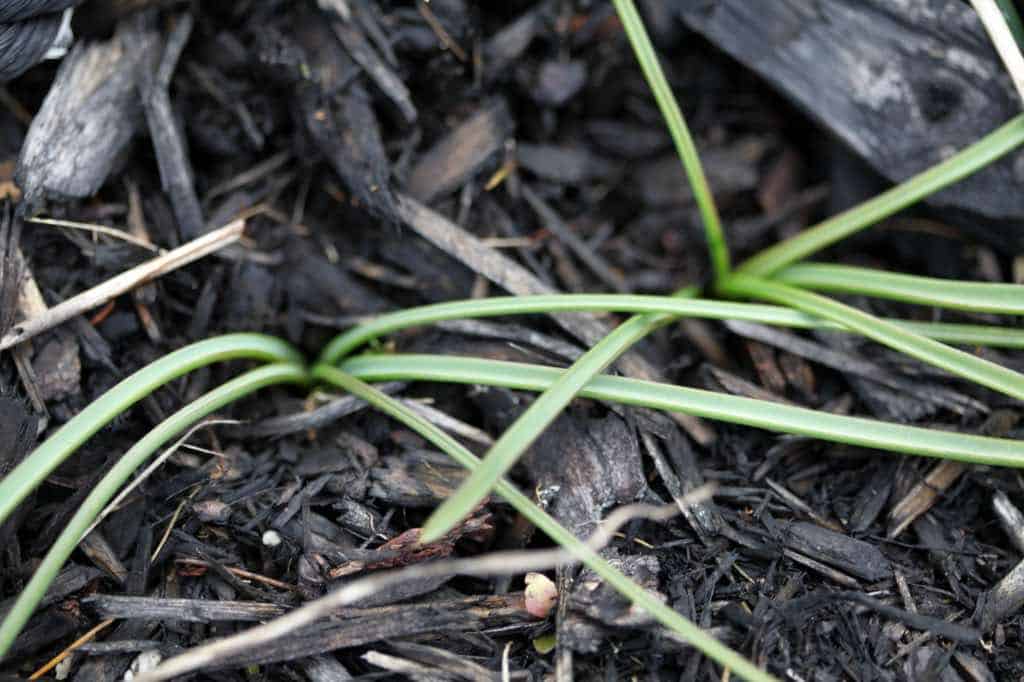
Allow the foliage to remain in place, because the leaves will help to supply food and energy for the bulb, which is needed for growth and future flowering. Let the foliage turn yellow and die back naturally.
Muscari is known to produce a second flush of green foliage in late summer as well, which will provide even more energy through photosynthesis for growth.
Frequently Asked Questions
Do Musari Bulbs Need To Be Chilled?
Muscari bulbs benefit from a period of chilling, and exposure to cold temperatures 35°F to 45°F(2°C to 7°C) for about 15 weeks. This cold period helps to stimulate a biological processes necessary for blooming.
In colder climates the bulbs that are planted out in fall will receive the chill period naturally.
In warmer climates the bulbs can be artificially chilled in the refrigerator for the required period before planting.
How Do You Plant Muscari Bulbs Indoors?
Planting muscari bulbs indoors helps to force the blooms, so that they can be enjoyed in the indoor space as well.
Just remember to chill the bulbs for 15 weeks before planting, to initiate the changes required within the bulbs to stimulate blooming.
Plant into containers filled with a good potting soil, at the same depth that you would plant them in the garden or spring container.
What Do You Do With Muscari After Flowering?
You can cut back the spent flower stems after blooming, however leave the leaves intact.
Allow the leaves of the muscari to gradually yellow in the garden, before cutting them back.
This contributes to photosynthesis and continued energy storage for the bulbs, and also helps with blooming for the next season.
You can also leave the spent blooms in place if you want to collect muscari seeds in fall. Allow the plants to form seed pods, and collect them after they have matured on the plant.
Conclusion
Planting muscari bulbs is a simple gardening activity which results in a beautiful spring display.
These low-maintenance plants are easy to plant and grow.
Once established, these tiny spring flowers return to the garden year after year. When they multiply, dig and divide them, and spread them throughout the garden.
Consider planting muscari bulbs in your garden this season, and they will reward you with beautiful spring blooms for many years to come.
Have you planted muscari bulbs in your garden or in containers? Be sure to leave a comment below to share your experience!
Other Posts You May Like:
See the Web Story on How To Plant Muscari Bulbs!
PIN IT FOR LATER!


Leave a Reply